High dose oxytocin protocol linked to lower postpartum hemorrhage rates
Study at high-volume center found increasing oxytocin doses for birthing women was associated with reduction in life-threatening maternal complication
6:00 AM
Author |
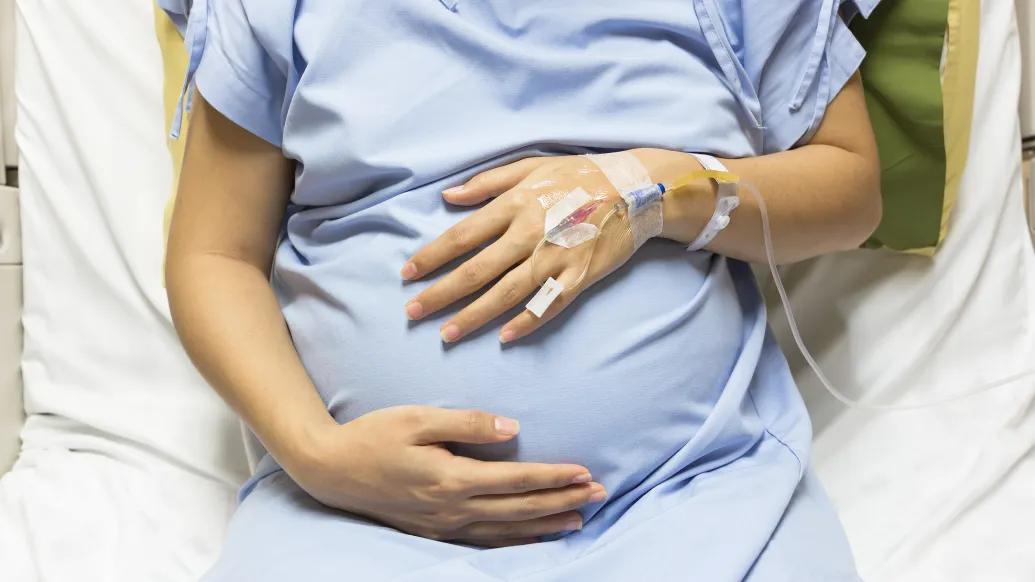
A change in how oxytocin is administered after childbirth may help reduce postpartum hemorrhage, a new study suggests.
The Michigan Medicine-led study in Obstetrics & Gynecology, The Green Journal evaluated a quality improvement initiative that introduced a higher dose oxytocin protocol during the third stage of labor.
Among 2,674 births reviewed at University of Michigan Health Von Voigtlander Women’s Hospital, the rate of postpartum hemorrhage decreased significantly, driven by a reduction among patients with vaginal births.
“Our commitment to maternal health means continually evaluating our practices and looking for opportunities to strengthen the prevention and management of obstetric complications,” said lead author Jourdan “Jourdie” Triebwasser, M.D., M.A., obstetrician-gynecologist at U-M Health Von Voigtlander Women’s Hospital and researcher at Michigan Medicine.
“Our findings suggest that a simple change to a high-dose oxytocin protocol was associated with a meaningful reduction in postpartum hemorrhage.”
Targeted change with measurable results
Postpartum hemorrhage is a leading cause of maternal illness and death. Although oxytocin is widely used to help the uterus contract and reduce bleeding after birth, the optimal dose and administration protocol continue to be studied.
The initiative described in the study increased the oxytocin dose administered to birthing women during the first hour after birth from 30 units under the hospital’s standard protocol to 60 units under the updated protocol. Implementation included changes to medication orders and infusion pumps, along with staff education and training.
Researchers compared outcomes before and after implementation between Jan. 1 and July 6, 2024. The analysis found lower overall hemorrhage rates, with the greatest improvement among vaginal births, which experienced a relative reduction of approximately 40%. The overall rate of postpartum hemorrhage decreased from 14.3% before the protocol was introduced to 11.2% afterward – roughly a relative reduction of approximately 22%.
Researchers also observed lower overall blood loss and reduced use of additional medications to help control bleeding.
Every opportunity to reduce preventable complications matters to patients and families, and we need to continue exploring evidence-based approaches to improving maternal outcomes.”
-- Jourdan Triebwasser, M.D., M.A.
More study needed
The study did not find a statistically significant reduction in postpartum hemorrhage among patients who delivered by cesarean birth.
Additional research is needed, researchers say, to better understand the optimal oxytocin dose and its safety profile, particularly across different modes of delivery.
“These findings are promising, but further research is needed to confirm the benefits across clinical settings,” Triebwasser said.
“Every opportunity to reduce preventable complications matters to patients and families, and we need to continue exploring evidence-based approaches to improving maternal outcomes.”
Additional authors include Evan Keil, M.D., Joanne M. Bailey, C.N.M., Ph.D., David E. Arnolds, M.D., Ph.D., Diana Feldkamp, M.S.N., Molly J. Stout, M.D., M.S.C.I., and Elizabeth J. Campbell, M.D.
Study Cited: High-Dose Oxytocin Protocol Implementation and Postpartum Hemorrhage, Obstetrics & Gynecology, DOI:10.1097/AOG.0000000000006351
Sign up for Health Lab newsletters today. Get medical tips from top experts and learn about new scientific discoveries every week.
Sign up for the Health Lab Podcast. Add us wherever you listen to your favorite shows.

Health Lab
Explore thousands of health news & research stories by visiting the Health Lab homepage for more.
Media Contact

Public Relations
Department of Communication at Michigan Medicine
In This Story

Jourdan E Triebwasser, MD, MA
Clinical Associate Professor
Related

Treating Postpartum Hernia: What New Mothers Should Know

Maternal health risks linked to childbirth persist throughout postpartum year
Stay Informed
Want top health & research news weekly? Sign up for Health Lab’s newsletters today!
Featured News & Stories

From patient to artist: A project close to her heart

What’s changing in Medicaid and what can you do?

Missed feedings in 10-day-old infant led to rare infantile botulism diagnosis
A gift for Michigan’s most vulnerable babies

After 13 years of IV nutrition, teen finds freedom to just be a kid