Feeling anxious? Try this breathing technique
Diaphragmatic breathing exercises are an effective tool for mental health and cultivating a healthy brain-gut connection. A gastrointestinal psychologist explains and demonstrates the proper approach.
9:50 AM
Author |
Many of us have been there. That moment when someone or something triggers an overwhelming sense of anxiety from within. When emotion takes over and our chests seem to lock up, it can become difficult to breathe.
Panic and worry can lead to feelings of hopelessness and resignation. But according to Megan Riehl, Psy.D., a clinical health psychologist who specializes in treating patients with gastrointestinal conditions, diaphragmatic breathing can help individuals regain a sense of control when they're experiencing life's inevitable stressors.
"Feelings of stress and/or anxiety are natural and oftentimes, a part of our everyday lives," said Riehl. "However, instead of allowing them to be all-consuming, effective tools like diaphragmatic breathing can actively help individuals cope with many aspects of life."
Riehl regularly works with patients who have conditions that may lead to significant physiological and psychological symptoms.
Here, Riehl speaks to Michigan Health about the benefits associated with diaphragmatic breathing, an often-misunderstood technique.
What is diaphragmatic breathing?
Riehl: Diaphragmatic breathing can be described as deep breathing that is applied to help alleviate both physical and emotional symptoms.
When someone is engaging in this type of breathing, they contract their diaphragm by exercising a deeper form of inhaling (and eventually, exhaling) that extends into their belly. Typically, individuals breathe in their chests, which many refer to as 'shallow breathing' that can actually exacerbate feelings of anxiety and worry.
Through this deeper exchange of incoming oxygen and outgoing carbon dioxide, one's body, as well as their nerves, are calmed down.
Like Podcasts? Add the Michigan Medicine News Break on iTunes or anywhere you listen to podcasts.
What conditions does diaphragmatic breathing help treat?
Riehl: I think a lot of people have a loose familiarity with diaphragmatic breathing as a treatment used for mental health conditions. But as a GI psychologist, I've recommended – and taught – the technique to patients experiencing gastro-related conditions like diarrhea, constipation, irritable bowel syndrome and inflammatory bowel disease. I've also seen great success from using this mechanism for patients with acid reflux, or GERD.
It's important to note that diaphragmatic breathing activates the movement of the diaphragm. By breathing deeply, one is moving the diaphragm up and down in the process, which allows for a gentle massaging of the digestive organs. In turn, this calms spasms, cramping or other issues that can lead to things like urgency (with diarrhea) or constipation.
Essentially, diaphragmatic breathing can reduce strain and cramping during bowel movements and therefore significantly lessen discomfort.
What are some misconceptions about this type of breathing?
Riehl: A lot of people are surprised that a breathing technique can render such dramatic results. But the thing about diaphragmatic breathing is that it activates our body's relaxation response and for a lot of my patients, this is hugely important.
The urge to use the bathroom, for example, when accessing one might not be very easy, might stir up feelings of anxiety and panic. By remembering this technique and consciously using it, however, that urgency can be better managed.
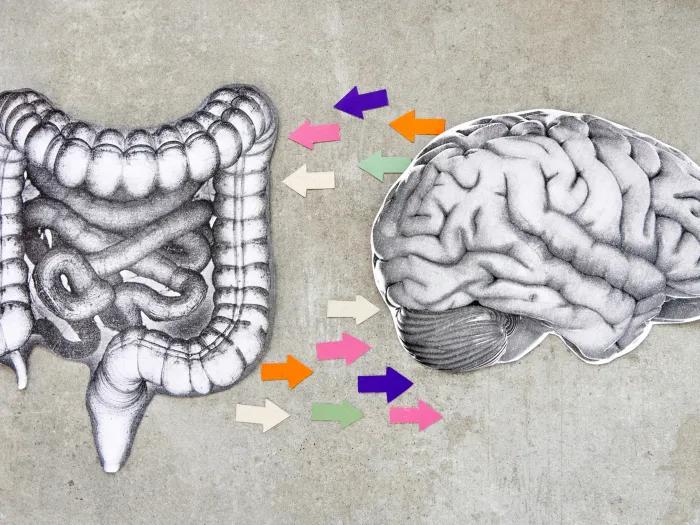
There absolutely is a brain-gut connection at play when it comes to GI conditions. And a lot of the strategies I work on with my patients tap into this relationship. Brain-gut therapies aid in regulating the disconnections that can happen between the brain and gut. Diaphragmatic breathing paired with other relaxation interventions have physiological and psychological benefits.
The unique aspect of diaphragmatic breathing is that it's a fairly simple intervention that patients, who have sometimes dealt with conditions without viable solutions, can use for years to come. I teach it to nearly everyone I work with, including patients with chronic pancreatitis. When someone is in the midst of a severely painful episode, diaphragmatic breathing can help them calm their nerves and serve as a coping mechanism shortly after the episode subsides.
MORE FROM MICHIGAN: Sign up for our weekly newsletter

Health Lab
Explore thousands of health news & research stories by visiting the Health Lab homepage for more.
Media Contact

Public Relations
Department of Communication at Michigan Medicine
Stay Informed
Want top health & research news weekly? Sign up for Health Lab’s newsletters today!
Featured News & Stories

E-Bikes are everywhere, but most parents say they don’t know enough about them
Identifying avoidant, restrictive food intake disorder in gastroenterology patients

How gastroenterology nutrition therapy has evolved

Cyclospora: What to Know About the Parasite Sweeping the Nation

5 hot weather tips that could save an older adult’s life