Common hospice drugs linked to higher death risk in people with dementia
Study of those prescribed benzodiazepines or antipsychotics after hospice enrollment highlights two hospice policy issues
5:00 AM
Author |

Hospice care aims to bring comfort, peace, and dignity to patients at the end of life.
Yet for the growing number of Americans with dementia who enter hospice, their course is often long and unpredictable — making it especially important to ensure treatments align with each person’s goals and stage of illness.
A University of Michigan study published in JAMA Network Open finds that medications commonly prescribed to ease symptoms such as agitation, anxiety, and delirium — benzodiazepines and antipsychotics — may carry major unintended risks for people with dementia receiving hospice care.
Among more than 139,000 nursing home residents with Alzheimer’s disease and related dementias enrolled in hospice between 2014 and 2018, those who began taking a benzodiazepine or an antipsychotic after enrollment were 41% and 16% more likely to die within six months, respectively, than very similar hospice patients with dementia who did not receive these medications.
“Dementia is now the most common qualifying condition among hospice enrollees, yet many of these patients are not imminently dying,” said Lauren B. Gerlach, D.O., M.S., lead author and geriatric psychiatrist at the University of Michigan.
“Because prognosis in dementia is so difficult to determine, nearly 1 in 5 patients will outlive the six-month eligibility window for hospice. This makes it critical that medications used during this period enhance, rather than diminish, quality of life.”
Patterns of use and increased risk
The study analyzed national Medicare data from a rare period when hospices were required to report prescribing information.
None of the patients studied had received the benzodiazepines or antipsychotics in the six months before entering hospice.
Despite this, nearly half (48%) received a new benzodiazepine prescription and 13% received an antipsychotic after hospice enrollment — most within the first few days of admission.
The average hospice stay was more than 130 days, indicating that most patients were not in the final days or weeks of life.
Benzodiazepines include medications such as Ativan and Valium, while antipsychotics include medications such as Haldol and Zyprexa.
“These early prescribing patterns suggest that these medications may sometimes be used as part of standard hospice care practices rather than fully tailored to each individual,” said Gerlach.
“For many patients, these medications can provide meaningful relief from distressing symptoms, but they also carry risks. Our findings, highlight an opportunity for hospice teams to regularly reassess medication use, especially early in care, when maintaining communication and alertness may be prioritized by patients and families.”
Both drug classes have well-established risks in older adults, including confusion, sedation and falls.
The United States Food and Drug Administration requires boxed warnings on the packaging of antipsychotics for increased mortality in patients with dementia.
Similar concerns have been raised about benzodiazepines.
A mismatch between hospice policy and dementia care
The findings also point to two major policy gaps.
First, there is little ongoing oversight of medication use in hospice.
Hospice agencies were required to report detailed prescribing data to the federal government only from 2014 to 2018, making that brief window the only time researchers could study national prescribing patterns.
“Right now, hospice prescribing is a black box,” Gerlach said.
“Medications covered under the hospice benefit are not reported to Medicare, so we have almost no visibility into what patients are receiving. That makes it impossible to monitor prescribing safety or quality on a national level.”
There's also a discrepancy in how medication use is monitored across care settings.
Both benzodiazepines and antipsychotics are tracked as part of nursing home quality reporting, and antipsychotic use directly impacts facility star ratings in the Centers for Medicare and Medicaid Services Care Compare Tool.
Yet these same medications are not tracked by hospice, leaving a gap in evaluating prescribing quality and reporting.
Second, the six-month limit on Medicare hospice eligibility often does not align with the prolonged and uncertain course of dementia.
About 20% of hospice patients with dementia live longer than six months and are discharged from hospice, losing access to supportive services they still need.
“The Medicare hospice benefit was designed when most patients enrolling had cancer and short, predictable trajectories,” Gerlach said.
“For people with dementia, whose disease course can span years, we need care models and prescribing guidance that better reflect their experience.”
The need for dementia-specific hospice guidance
Gerlach’s team has previously shown wide variation across hospice agencies in their prescribing patterns of both classes of drugs, even after accounting for patient differences.
In national data, benzodiazepine prescribing ranged from 12% to 80% of hospice patients, and antipsychotic use from 6% to 62%.
Large and for-profit agencies were significantly more likely to prescribe these medications.
Last year, her group reported in JAMA Psychiatry that patients with dementia enrolled in hospice were three times more likely to receive benzodiazepines and antipsychotics than similar patients who were not in hospice.
“Such wide variation suggests, in some cases, prescribing may be driven by hospice agency culture or policies ,” said Gerlach.
“And given our findings linking new use of these medications with higher mortality, this inconsistency may have real consequences for patient outcomes.”
With 60% of people with dementia now entering hospice at least once, and the proportion of hospice patients with dementia continuing to rise, Gerlach says these findings highlight the need for greater dementia-specific hospice quality measures and prescribing guidance.
“We need better transparency in prescribing data and support for hospice clinicians to make more evidence informed, individualized decisions about how to best care for patients with dementia at end of life.”
Additional authors: In addition to Gerlach, the study’s authors are Lan Zhang, PhD, Hyungjin Myra Kim Sc.D., Joan Teno M.D., M.S., and Donovan T. Maust M.D., M.S. Gerlach, Kim and Maust are members of the U-M Institute for Healthcare Policy and Innovation; Kim and Maust are also members of the VA Center for Clinical Management Research.
Funding/disclosures: The study was funded by the National Institute on Aging of the National Institutes of Health (K23AG066864, R01AG087073).
Paper cited: "Benzodiazepine or Antipsychotic Use and Mortality Risk Among Patients With Dementia in Hospice Care," JAMA Network Open. DOI: 10.1001/jamanetworkopen.2025.37551

Health Lab
Explore thousands of health news & research stories by visiting the Health Lab homepage for more.
Media Contact

Public Relations
Department of Communication at Michigan Medicine
In This Story
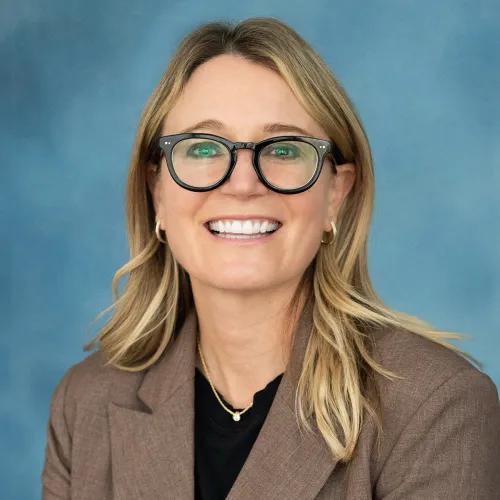
Lauren B Gerlach, DO, MS
Associate Professor
Related

Opinion: Hospice care for those with dementia falls far short of meeting people’s needs at the end of life

What experts wish more people knew about hospice and other end-of-life care
Stay Informed
Want top health & research news weekly? Sign up for Health Lab’s newsletters today!
Featured News & Stories

Top 7 tips for choosing Medicare prescription drug coverage for 2027

Comprehensive DNA sequencing reveals hidden drivers of cancer

‘Molecular glue’ stabilizes protein that inhibits development of non-small cell lung cancer and uterine cancer

Many older adults make Medicare decisions quickly and most don’t change plans, poll finds

What’s the latest on 7-OH and kratom availability and addiction care?