3 Ways Genetic Counselors Provide Clarity on Eye Disease
Trained to interpret variations in your DNA, these specialists can help confirm a vision-related diagnosis and guide family members in gauging their own risk.
7:00 AM
Author |
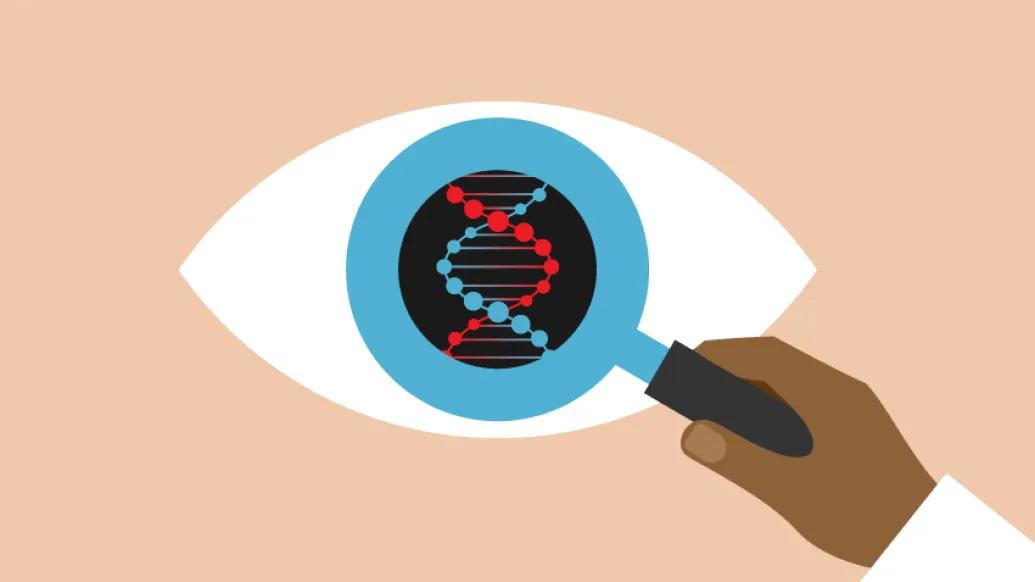
For people with inherited eye disease, genetic counselors could play an active and important role in a patient's care.
The specialists can review an individual's DNA following a doctor's suspicion of retinitis pigmentosa, Stargardt disease or cone-rod dystrophy, among other vision-related conditions.
The goal: to identify genetic mutations and associated inheritance patterns related to the disorder.
"We consider genetic testing to be an integral part of making a diagnosis in a patient," says Kari Branham, M.S., CGC, a genetic counselor at University of Michigan Kellogg Eye Center.
The tests, which typically involve a sample of blood or saliva, also help establish whether a recipient's first-degree relatives might be at risk — and able to consider genetic testing, too.
Although a cure or treatment for a given condition may not yet be available, the findings can often guide patients toward applicable clinical trials.
And they may reveal if a person is eligible for sight-preserving gene therapy recently approved by the Food and Drug Administration.
"We want to help you feel informed, provide support and offer resources," says Kellogg genetic counselor Dana Schlegel, M.S., MPH, CGC, who, with Branham, spoke more about their role.
They work with your doctors throughout the process
Before and after a patient's diagnosis, genetic counselors are partners in care.
In the case of inherited eye disease, a patient might first speak with a Kellogg counselor to map out his or her family history to gain a better understanding of who has already been (or believed to have been) affected by a particular condition.
Then, after a doctor's thorough review, the counselor and patient will meet again.
If a diagnosis has been made, the patient will be given the option to make an informed decision about genetic testing.
That discussion includes what might happen if a test comes back positive, negative or inconclusive.
Says Branham: "If you want to fight something, you have to know what you're up against."
We consider genetic testing to be an integral part of making a diagnosis in a patient.
They advise who is — and isn't — suitable for genetic testing
The first person to undergo genetic testing in the family must already be affected with the inherited eye disease. Without a doctor's diagnosis to work with, there are too many mutations to consider.
Nobody else in the family should receive the genetic test before a patient does.
SEE ALSO: Pros and Cons of Genetic Testing: What to Know Before You Go
"You have to figure out what the genetic cause is before you can move on to testing others who may be at risk or have reproductive concerns," says Branham, who notes that potentially affected family members still might choose to take no action.
"Some people may say: 'If there's no treatment, I don't want to know.'"
In the case of inherited disease that doesn't typically present until adulthood, parents are advised to wait until a child is old enough to make their own decision about genetic testing.
But for vision problems known to affect the very young, early insight is crucial.
Genetic testing for those who don't yet have symptoms "can be something more for medical management and social support" such as receiving in-school services, Schlegel says.
They serve as a resource and provide emotional support
Learning that you have a genetic degenerative eye disease can be emotional. It also may make loved ones fear that they're susceptible, too.
That's why genetic counselors are trained not only in distilling complex information but also in addressing personal concerns of recipients and their families.
"We'll have a conversation explaining the test results — and we also will talk about recurrence risk for other members of the family," says Branham. "We'll discuss any different treatment options available and our standard of care."
SEE ALSO: Why Does the Doctor Need a Photo of My Eye?
Kellogg counselors then send patients a personalized summary letter for future reference.
Moreover, they can suggest related Michigan Medicine services that include a low-vision support group and mental health services.
And they provide a calming, knowledgeable presence throughout.
"We recognize this is a big deal, a new diagnosis that's overwhelming and life-changing and scary," Schlegel says. "So we provide the opportunity to talk it through as well."
The Retinal Dystrophy Clinic at the University of Michigan Kellogg Eye Center provides comprehensive diagnostic and management services, including genetic counseling. For more information, call 734-232-8080 or email [email protected].

Health Lab
Explore thousands of health news & research stories by visiting the Health Lab homepage for more.
Media Contact

Public Relations
Department of Communication at Michigan Medicine
Stay Informed
Want top health & research news weekly? Sign up for Health Lab’s newsletters today!
Featured News & Stories
Online resources and coaching helped people seek genetic testing for cancer

Gene editing is coming for common diseases. Are we ready?
Innovative children’s vision research gets a boost from the Knights Templar Eye Foundation

Many hospitals still don’t do enough to prevent UTIs from catheters

Nerf gun accident causes retinal detachment in pediatric patient