
1 in 3 older adults still experience loneliness and isolation
Six-year trends from a national poll show key groups that are most vulnerable, especially those with fair or poor physical or mental health
11:00 AM
Author |
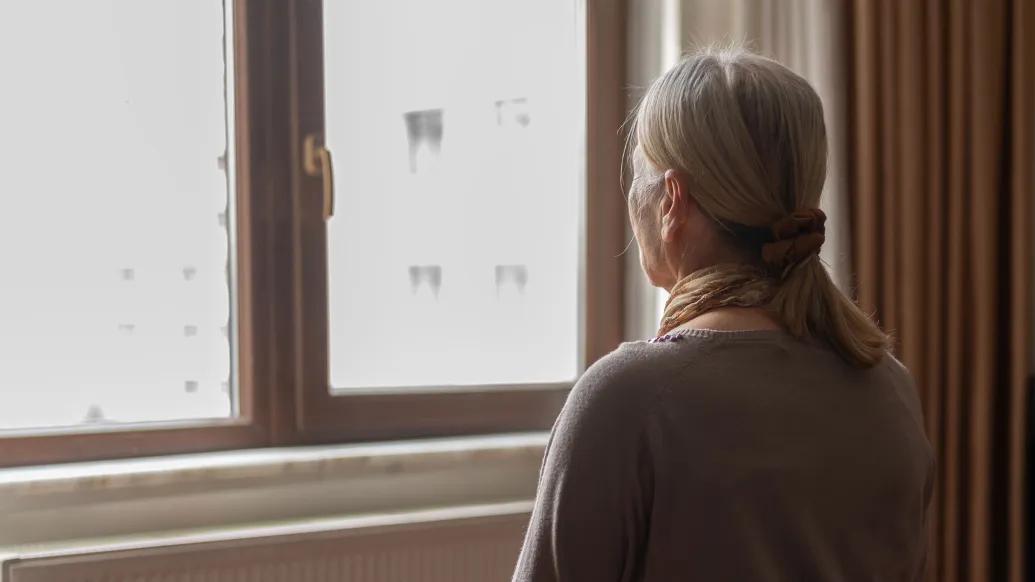
Loneliness and isolation among older Americans have mostly returned to pre-pandemic rates, but that still means more than one third of people age 50 to 80 feel lonely, and nearly as many feel isolated, a national study shows.
And some older adults – especially those dealing with major physical health or mental health issues – still have much higher rates of loneliness and social isolation than others.
The findings, from a review of six years of data from the National Poll on Healthy Aging, are published in JAMA by a team from the University of Michigan Institute for Healthcare Policy and Innovation.
Starting in 2018, and most recently earlier this year, the poll asked older adults nationwide how often they’d felt they lacked companionship (the subjective feeling of being alone, or loneliness), and felt isolated from others (the experience of social isolation).
The poll is supported by AARP and Michigan Medicine, U-M’s academic medical center.
The latest data show that in 2024, 33% of older adults felt lonely some of the time or often in the past year, about the same as the rate in 2018 (34%).
During the years in between, as many as 42% of older adults had this level of loneliness.
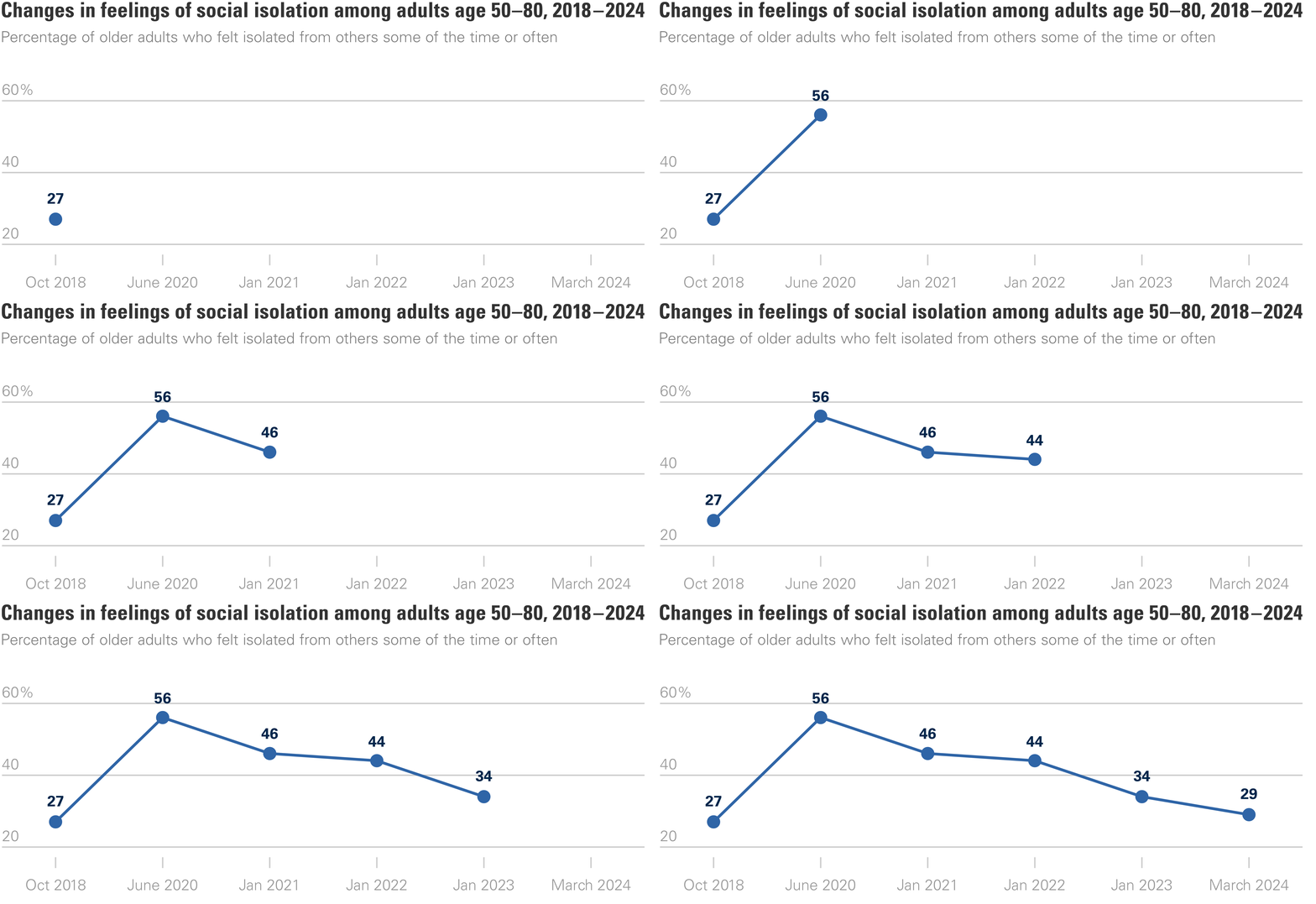
Similarly, 29% of older adults said they felt isolated some of the time or often in 2024, just above the rate of 27% seen in 2018.
During the early months of the COVID-19 pandemic, 56% of older adults said they had experienced this level of isolation, but the rate has declined each year since.
“At the surface, this might seem like great news, that we’re back to where we were before COVID-19 struck. But that baseline was not good, and it was especially bad for some groups of older adults, who continue to have very high rates of loneliness and social isolation,” said Preeti Malani, M.D., MSJ, the study’s lead author and a professor of internal medicine at the U-M Medical School.
“One of the biggest differences now is that we have greater recognition of the impact of loneliness and isolation on health especially as we age.”
Malani serves as senior advisor to the poll, which she directed from 2017 to 2022.
The groups of older adults with the highest rates of loneliness in 2024 were:
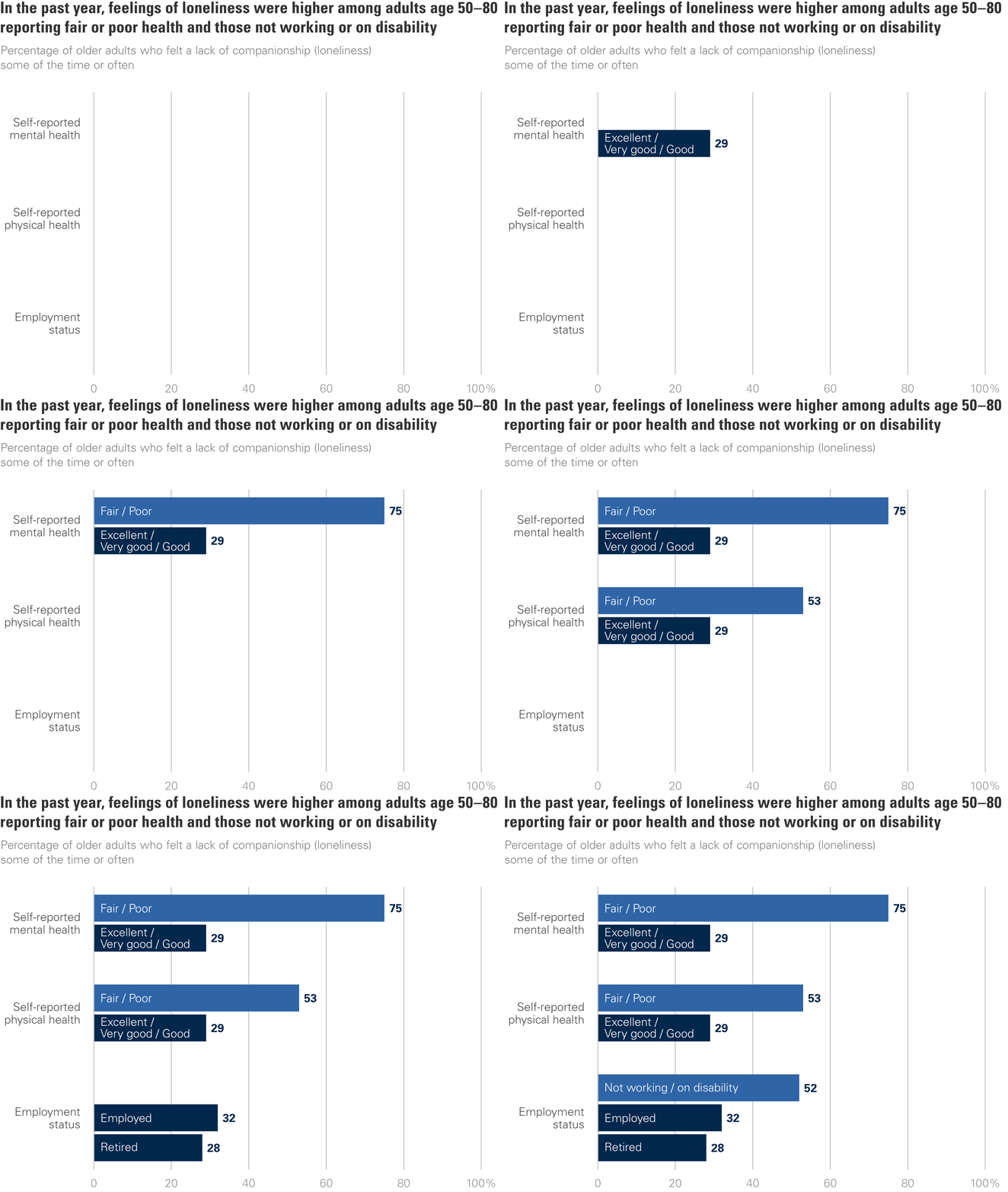
- Those who said their mental health is fair or poor: 75% (in 2018, it was 74%)
- Those who said their physical health is fair or poor: 53% (up from 50% in 2018)
- Those who were not working or received disability income (does not include retirees): 52% (up from 38% in 2018)
The groups with the highest rates of social isolation in 2024 were:
- Those who said their mental health is fair or poor: 77% (up slightly from 79% in 2018)
- Those who said their physical health is fair or poor: 52% (up from 43% in 2018)
- Those who were not working or received disability income (does not include retirees): 50% (up from 36% in 2018)
These rates for 2024 are double, or even more, the rates of loneliness and isolation seen among older adults who said their physical health or mental health were excellent, very good or good, or those who were working or retired.
“These trends make it clear: clinicians should see loneliness and isolation as a key factor in their patients’ lives, especially those with serious physical or mental health conditions,” said poll director Jeffrey Kullgren, M.D., M.P.H., M.S., an associate professor of internal medicine at U-M and primary care clinician at the VA Ann Arbor Healthcare System.
“We should consider screening our patients for these issues and connecting them with resources in their communities, whether that’s a senior center, Veterans’ groups, volunteering opportunities, or services offered by an Area Agency on Aging or other community organizations,” he said.
Other key findings
In general, adults age 50 to 64 were more likely than those age 65 to 80 to say they felt lonely or isolated across all poll years, and rates had not dropped back to pre-pandemic rates for those age 50 to 64 in 2024.
Similarly, those with household incomes below $60,000, and those who live alone, were more likely to say they sometimes or often felt lonely or isolated than those with higher incomes or those living with others, a finding that was consistent across most years.
However, rates in 2024 for those who live alone were lower than for those who live with others.
More about loneliness and isolation in older adults
The new study builds upon the evidence collected by United States Surgeon General Vivek Murthy, M.D., M.B.A. and his team and published in an official advisory in May 2023.
The AARP Foundation has created an initiative called Connect2Affect, offering resources to help older adults combat social isolation and loneliness for themselves and others.
Malani and colleagues published a Patient Page in JAMA on social isolation in May 2024; it’s available for free and is designed for clinicians to share with patients.
About the poll
The data in the JAMA paper come from six fieldings of the NPHA from 2018 to 2024, most of which asked older adults to report how often they felt a lack of companionship or felt isolated from others in the past year. The poll fielded in June 2020 asked participants to reflect on the past three months. The poll is not longitudinal – each fielding’s sample was unique. poll sample ranged in size from 2,033 to 2,563 and the organization that administers the poll changed once, beginning in 2022. Get more details about NPHA methodology.
Read NPHA reports on loneliness and isolation among older adults.
In addition to Malani and Kullgren, the authors of the new JAMA research letter are poll team members Erica Solway, Ph.D., M.S.W., M.P.H., Matthias Kirch, M.S., Dianne Singer, M.P.H., and J. Scott Roberts, Ph.D.
Funding/disclosures: Malani is a deputy editor at JAMA but was not involved in the review process for the article.
Paper cited: “Loneliness and Social Isolation Among US Older Adults, 2018-2024,” JAMA. DOI:10.1001/jama.2024.23213
Sign up for Health Lab newsletters today. Get medical tips from top experts and learn about new scientific discoveries every week.
Sign up for the Health Lab Podcast. Add us wherever you listen to your favorite shows.

Health Lab
Explore thousands of health news & research stories by visiting the Health Lab homepage for more.
Media Contact

Public Relations
Department of Communication at Michigan Medicine
In This Story

Jeffrey Todd Kullgren, MD, MS, MPH
Professor
Related
Most older adults don’t know about resources for navigating aging and caregiving
Stay Informed
Want top health & research news weekly? Sign up for Health Lab’s newsletters today!
Featured News & Stories

Top 7 tips for choosing Medicare prescription drug coverage for 2027

Many older adults make Medicare decisions quickly and most don’t change plans, poll finds
What’s the latest on 7-OH and kratom availability and addiction care?

Depression in OBGYN residents needs more attention, study suggests
Pain, psychological factors and physical function closely linked in people with systemic sclerosis

