Brain Research & Innovative Neurological Care for Newborns Program (B.R.A.I.N.)
Brain Research & Innovative Neurological Care for Newborns Program (B.R.A.I.N.)
The Brain Research & Innovative Neurological Care for Newborns Program (B.R.A.I.N.) at University of Michigan Health provides comprehensive care for newborns.
Our Approach
Our multidisciplinary team of specialists offer the latest treatments available - many not widely available at other institutions. This approach draws on expertise in several different areas including:
- Neonatologists
- Neonatal nurses
- Pediatric neurologists
- Pediatric neurosurgeons
- Neuroradiologists
- Pediatric pulmonologists (Home Ventilator Program)
- Pediatric medical subspecialists (e.g., hematology, infectious diseases, genetics)
- Pediatric orthopaedic surgeons
- Pediatric plastic surgeons (craniofacial)
The team also offers a complete range of services, including audiology, speech therapy, occupational therapy and physical therapy.
Who We Treat
Our team evaluates and treats a variety of neurological problems and conditions, including:
- Birth asphyxia – when the baby doesn’t get enough oxygen before, during or right after birth
- Neonatal seizures – seizures that take place during the first month of life
- Intracranial hemorrhage – bleeding into or around the brain
- Stroke
- Neural tube defects – brain and spinal cord birth defects, including spina bifida
- Brain malformations
- Cerebrovascular malformations – such as vein of Galen (located at the base of the brain) malformations
- Hypotonia – abnormally low muscle tone
- Arthrogryposis – multiple joint contractures (permanent shortening of a joint) at birth
- Congenital neuromuscular diseases – such as congenital myasthenia and congenital muscular dystrophies
- Infections of the nervous system
- Hydrocephalus – a buildup of fluid inside the brain
- Neurologic impairment that requires newborns to be ventilator-dependent
Services
We treat high-risk infants using innovative procedures and technology not widely available at other institutions, such as:
- Therapeutic hypothermia – lowering body temperature to slow neurological damage for newborns who may have suffered oxygen deprivation prior to or shortly after birth (see referral guidelines)
- Brain MRI imaging for newborn infants in an incubator - compatible incubator equipped with MRI-compatible cardiac monitor and ventilator
- Interventional Neuroradiology - minimally invasive techniques to treat conditions of the brain or its blood supply with ultrasound, X-ray, CT scan or MRI guidance
- Amplitude-integrated EEG availability around the clock – used to predict neurodevelopmental outcome after birth asphyxia, diagnose seizures and more
- Ready availability of intensive video-EEG monitoring for infants with seizures or suspected seizures
If your obstetrician suspects your baby may have a neurological condition, we can offer coordinated care with our Fetal Diagnosis and Treatment Center, which offers comprehensive fetal services, diagnostics, minimally invasive surgeries and open surgeries.
Appointment Information
Schedule an appointment for our Neurodevelopmental Follow-Up Clinic by calling us at 734-936-4220.
Health professionals may request patient transfer or consultation by calling our Newborn ICU at 734-763-4111.
Research
We know the value of clinical research. We participated in the first of several large trials of therapeutic hypothermia for hypoxic-ischemic encephalopathy (HIE). Ongoing opportunities for families to participate in clinical trials help to assure that they have access to the latest concepts, strategies, medications and equipment that could offer the chance to improve long-range outcomes and minimize any residual morbidity from a most vulnerable, initial stage of life.
Locations
-
Pediatric Neurology Clinic | C. S. Mott Children's Hospital 1540 E Hospital Dr
Floor 6 Reception C
Ann Arbor, MI 48109-4234Get Directions
Doctors
Eric Andrew Armour, MD
Clinical Assistant Professor
Epileptologists, Pediatrics, Neurology, Child Neurology

Marin Arnolds, MD
Clinical Associate Professor
Neonatal-Perinatal Medicine, Pediatrics

Mohammad Ali Attar, MD
Clinical Associate Professor
Neonatal-Perinatal Medicine, Pediatrics

John Donald E Barks, MD
Professor
Neonatal-Perinatal Medicine, Pediatrics

Katie Rayette Baughman, MD, MA
Clinical Assistant Professor
Neonatal-Perinatal Medicine, Pediatrics
Giulia Marian Benedetti, MD
Clinical Associate Professor
Epileptologists, Neurology, Pediatrics
Martha Diane Carlson, MD, PhD
Clinical Associate Professor
Child Neurology, Pediatrics

Parul Cham, DO
Clinical Assistant Professor
Neonatal-Perinatal Medicine, Pediatrics

Karl Coe Desch, MD
Clinical Professor
Neonatal-Perinatal Medicine, Pediatrics

Barbara True Felt, MD, MS
Clinical Professor Emeritus
Pediatrics-Developmental/Behavioral, Pediatrics





Providers
Dawn Jeanette Dore-Stites, PhD
Clinical Associate Professor
Clinical Child & Adolescent Psychology, Clinical Psychology
News & Stories
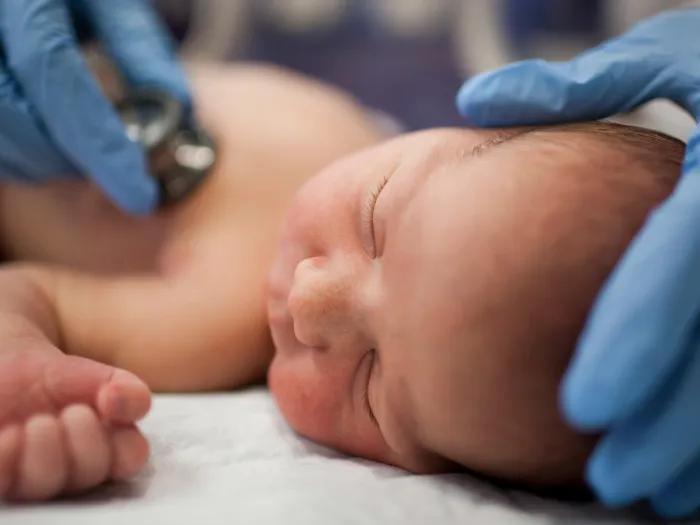
More babies with hypoplastic left heart syndrome surviving critical period between surgeries
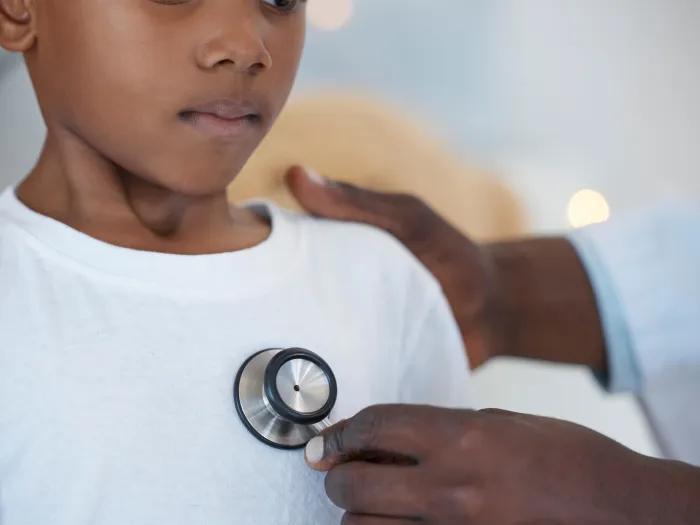
Distance, insurance, social factors may hinder access to lifesaving heart monitoring for children

Going the extra 100 miles
Continuing the legacy of a doctor’s doctor
A pediatric epilepsy fundraiser that changes lives