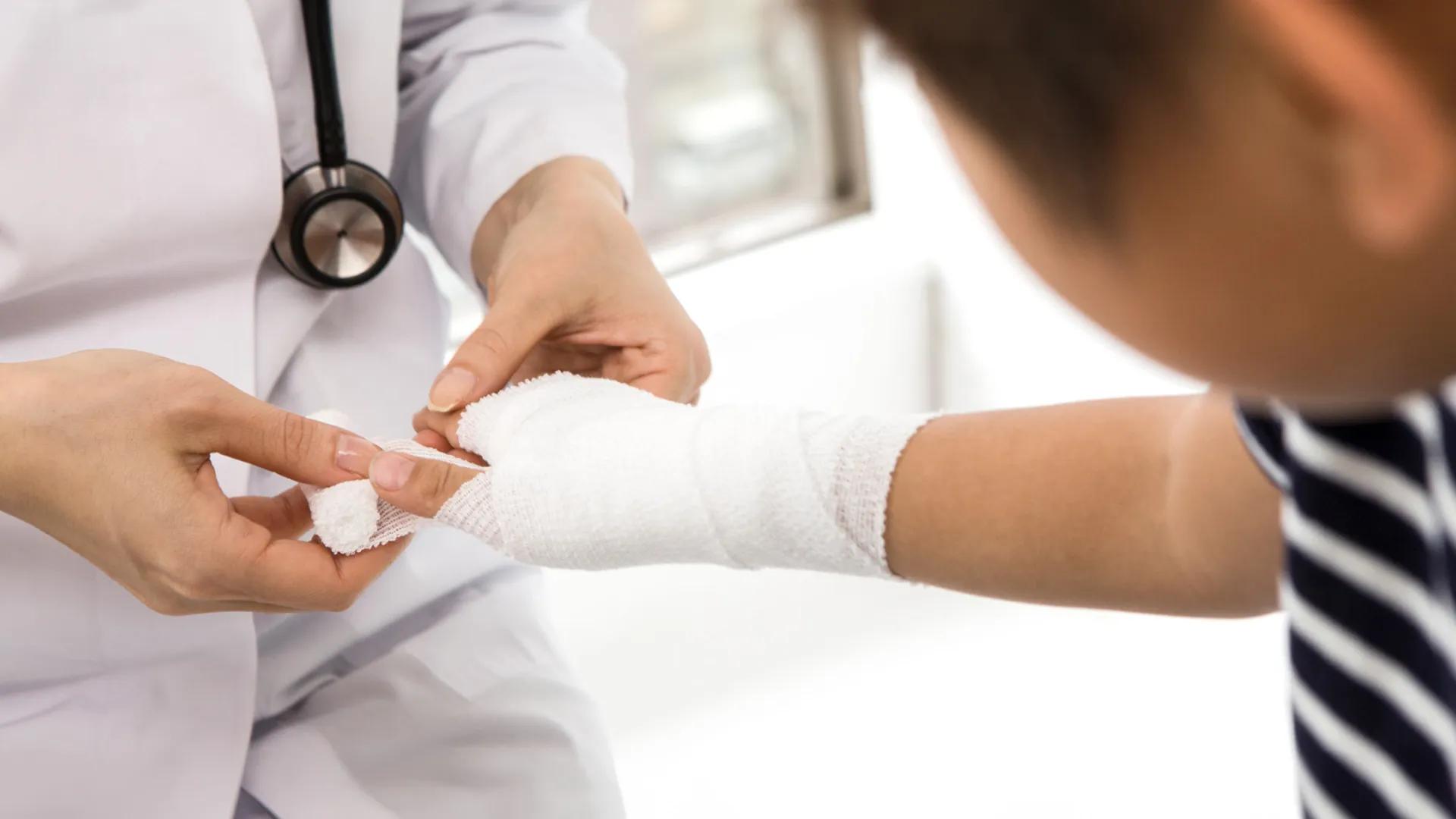
Pediatric Emergency Services
Pediatric emergency services include a full range of medical diagnostic tests and treatments, available 24 hours per day for patients from birth to age 20.
Your Michigan Answer for Pediatric Emergency Services
Having a sick or injured child is stressful. You want the best possible care and reassuring experts, fast. At University of Michigan Health C.S. Mott Children’s Hospital, our pediatric emergency specialists are here for your family with world-class care, 24/7.
Pediatric emergency services treat patients from birth to age 20. Common reasons to visit an emergency department include urgent care like serious injuries or illnesses. Emergency departments are always open. They offer the widest range of tests, treatments, surgery and trauma care.
As a Level 1 Pediatric Trauma Center, we provide the highest level of care for severe injuries. Our expert team, family-focused team provides the support you and your child need during your visit. When you need to visit the pediatric emergency department at C.S. Mott Children’s Hospital, you’ll be greeted by valet parking and triaged by a specially-trained nurse. We’ll start by evaluating your child’s condition and medical history. Then, you can relax in our separate children’s emergency waiting room while we make every effort to provide treatment as quickly as possible. Learn more about our Pediatric Trauma and Injury Prevention Program.
C.S. Mott Children’s Hospital is a national research center for pediatric emergency medicine. We’re dedicated to developing new treatments and support programs. Here, you’ll find testing and specialists for every condition, with special care to keep kids comfortable, calm and feeling better – faster. When fast, critical care matters most, trust the pediatric emergency experts of C.S. Mott Children’s Hospital.
Resources
Looking for a Doctor or Location?
Our Expertise Includes
News & Stories

Emergency room intervention pairs smartphone, telehealth counseling to reduce risky firearm behavior

What’s changing in Medicaid and what can you do?

Rabies is on the rise: Experts offer advice

E-Bikes are everywhere, but most parents say they don’t know enough about them

Young father survives aortic dissection after delayed diagnosis