Integrative Family Medicine Program
Integrative Family Medicine Program
University of Michigan Health is committed to the thoughtful and compassionate integration of complementary therapies and conventional medicine through the activities of research, education, clinical services and community partnerships.
Our Approach
We provide primary care services for the whole family with a focus on integrating complementary and alternative therapies into medical care. An integrative medicine plan is created that suits each individual's unique needs, offering specific recommendations for mind, body, spirit and emotion that optimize health. Integrative therapies such as holistic nutrition, relaxation techniques, acupuncture, massage, herbs and supplements are blended with the best of medical science and technology.
Integrative medicine is the art and science that addresses the whole person and uses both conventional and complementary therapies to prevent and treat disease, but most importantly to promote optimal health. Integrative physicians work together to transform health care to integrate all aspects of well-being, including physical, environmental, mental, emotional, spiritual and social health, thereby contributing to the healing of ourselves and of our planet.
Services
We offer our patients the following services:
- Integrative Primary Care: Health care throughout your life span, including newborn, obstetric, gynecologic and elder care
- Integrative Medicine Consultations: A consultative appointment followed by 2-3 follow up visits (exact number to be determined by you and your consulting physician) to develop an integrative treatment plan to your specific diagnosis or condition.
- Integrative Oncology Consultations: A consultation similar to above to design an integrative regime for supportive care using an evidence informed approach.
- We work in close consultation and conjunction with your oncology team
- Our approach is meant to encourage overall healing and symptom support you during your oncology treatments and is not meant to replace conventional treatment options but work in conjunction with
A team of family physicians with advanced training in Integrative Medicine which emphasizes the current state of the evidence for complementary and alternative therapies, acupuncture, encouraging active participation in diagnostic and treatment decisions and emphasizing care for the whole person considering mind, body, spirit and emotions.
Appointment Information
To make an appointment, please call 734-647-5640.
Financial Information
Integrative Family Medicine accepts all insurance plans that participate with U-M Health. To find out if your insurance plan participates, call 1-855-855-0863.
Locations
-
Integrative Family Medicine Clinic | Domino's Farms 24 Frank Lloyd Wright Dr Ste 2300
Lobby H
Ann Arbor, MI 48105-9484Get Directions
Doctors
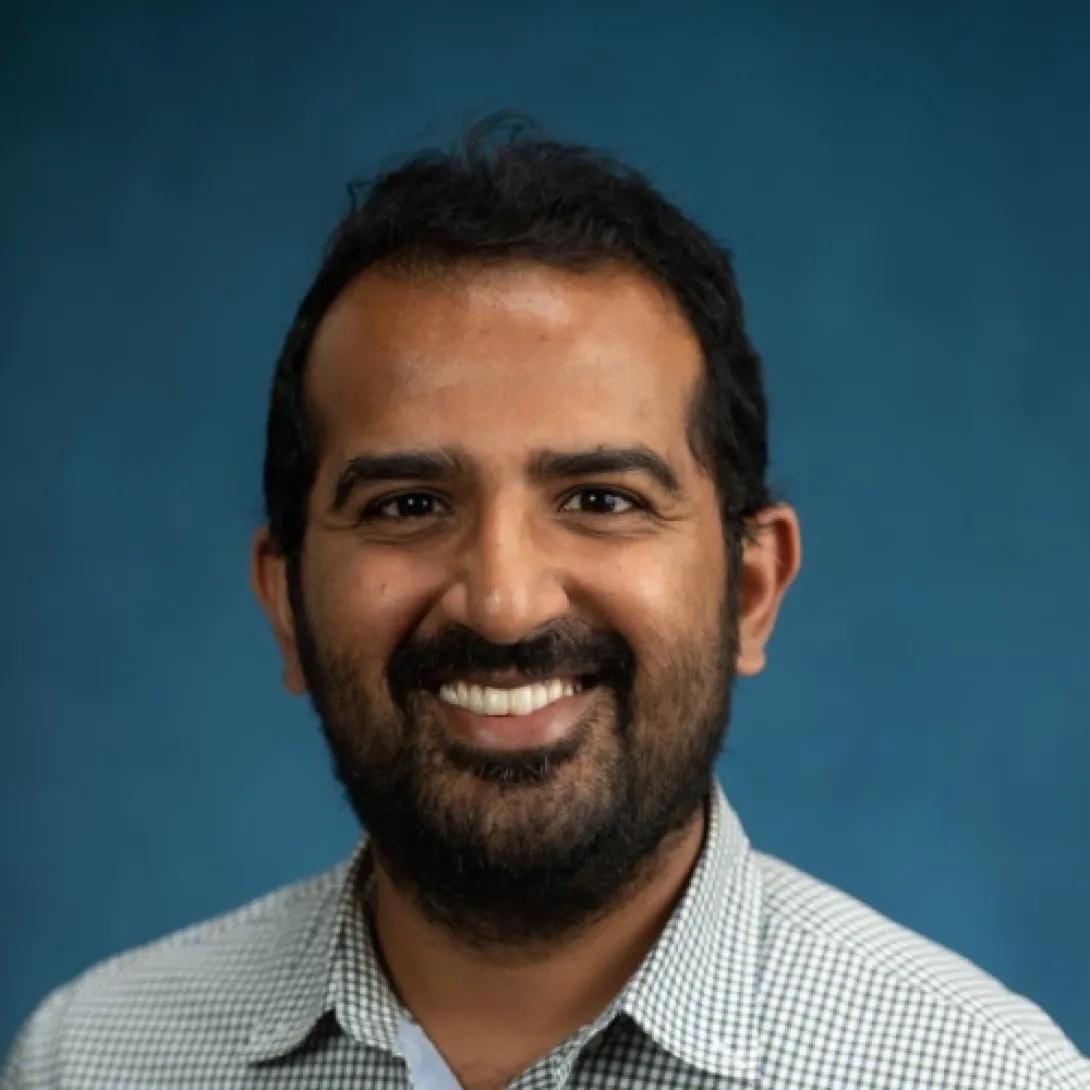
Anup A Bhandiwad, MD
Clinical Assistant Professor
Family Medicine
Eder Luis Gutierrez Carlock, MD
Clinical Instructor
Family Medicine
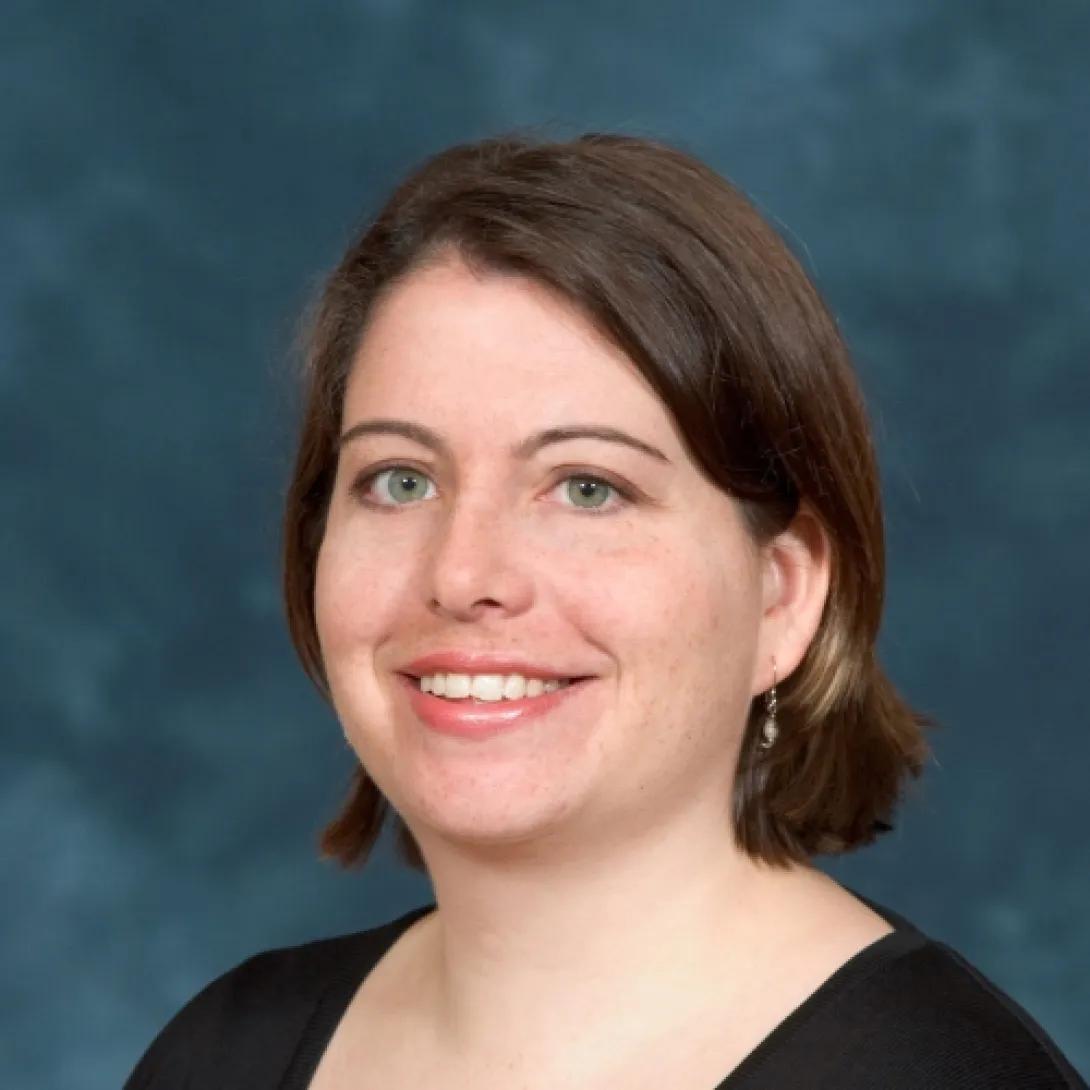
Tarannum Alesia Master-Hunter, MD
Clinical Assistant Professor
Family Medicine, Sports Medicine
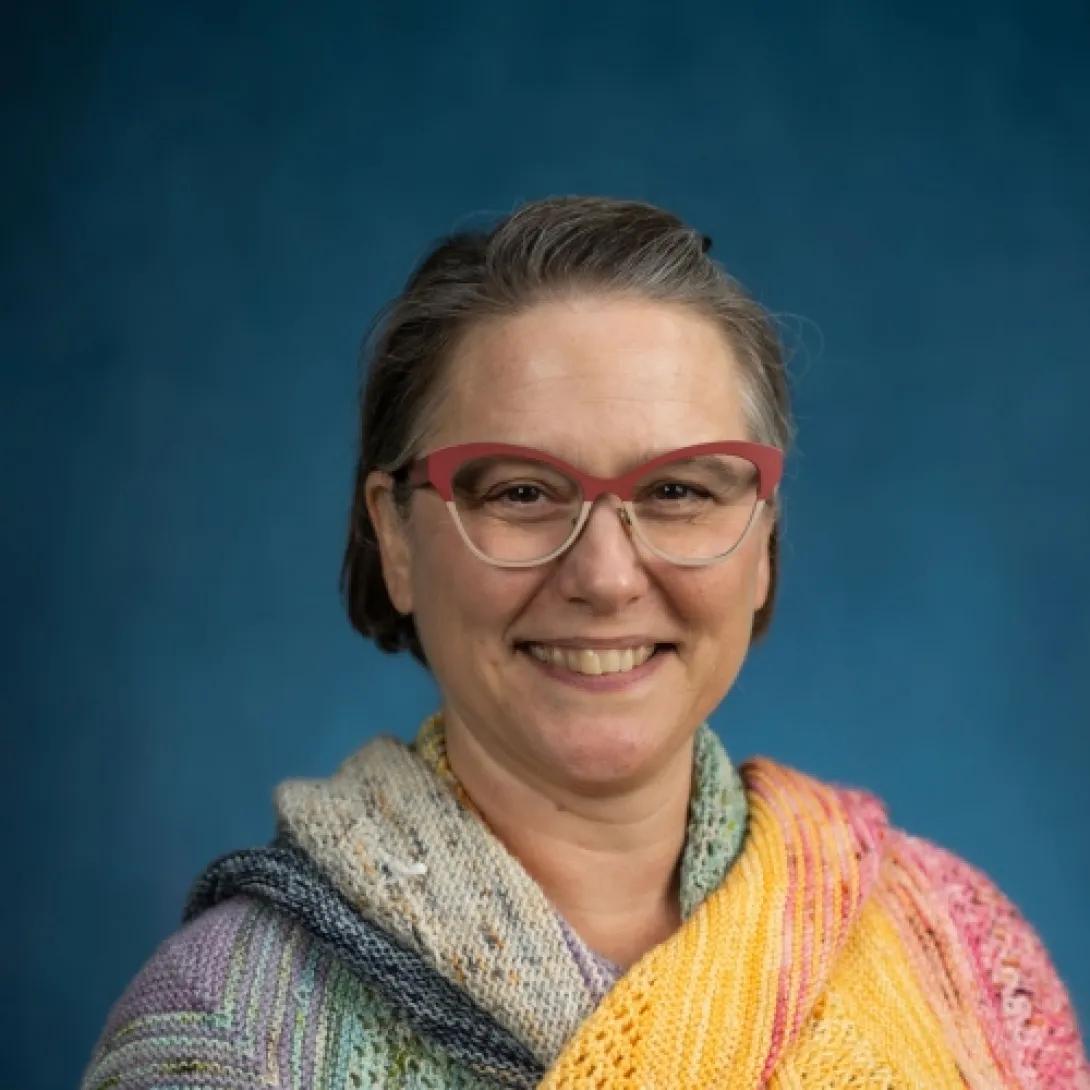
Jill Renee Schneiderhan, MD
Clinical Associate Professor
Family Medicine

Gregory David Shumer, MD
Clinical Assistant Professor
Family Medicine
News & Stories

Mindful gift supports patient well-being

Shipt gift helps address food insecurity

Talking end-of-life planning at the holidays

5 things to know about using marijuana while pregnant or breastfeeding
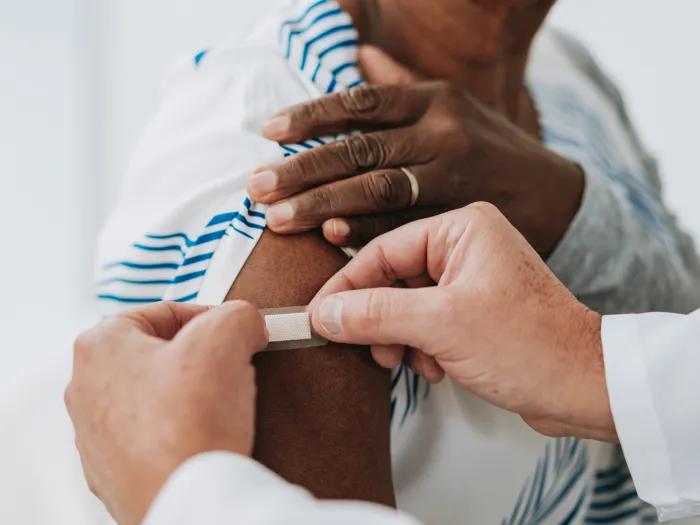
Despite policy confusion, vaccines for flu, COVID still strongly recommended