For Health Providers

Committed to partnering with your practice

We want your patients to have the best experiences possible, especially when you choose to refer them to us. 
Call M-LINE: 800-962-3555
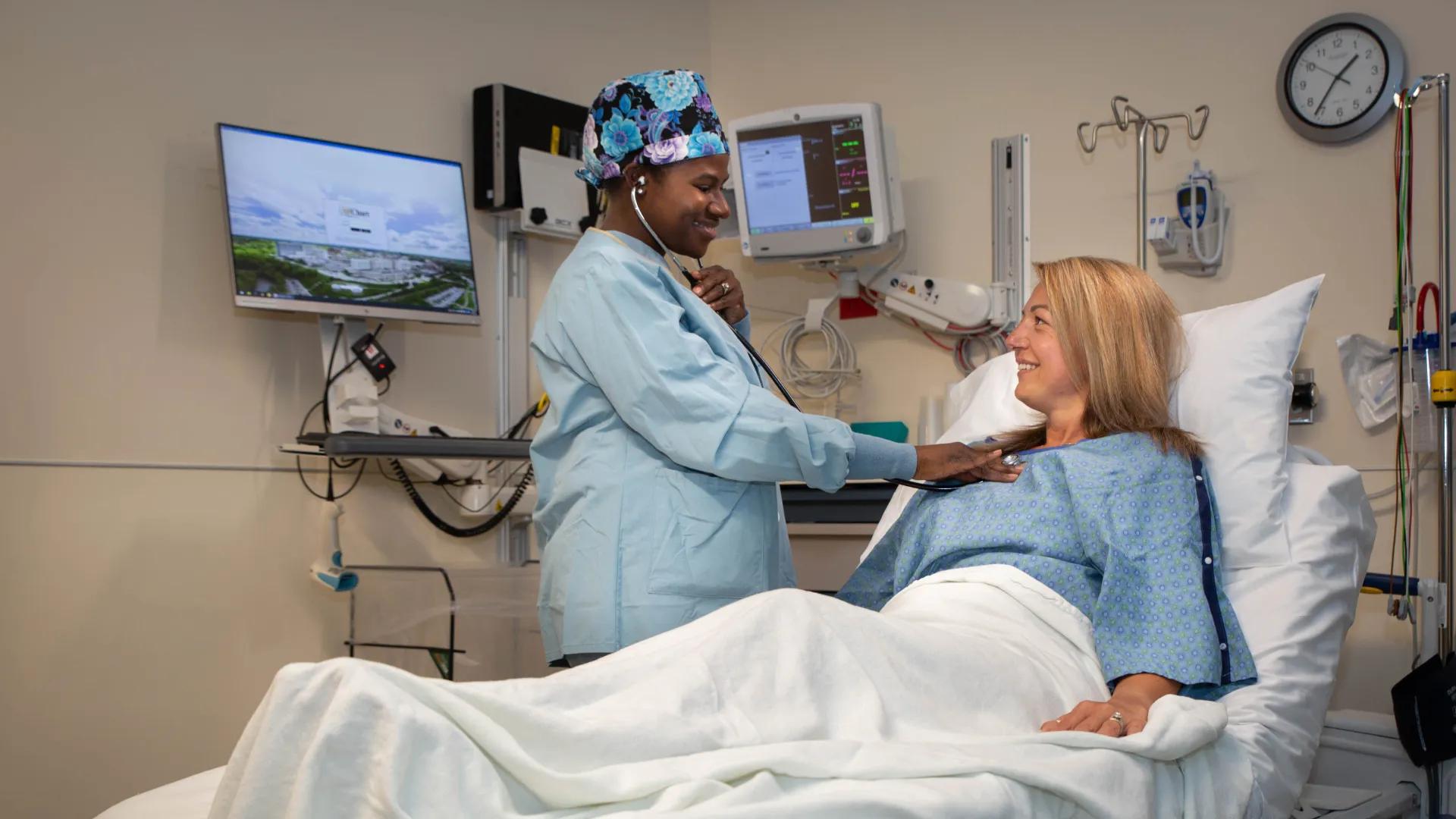
wide angle view of doctor taking vitals on patient

Referring Provider Resources

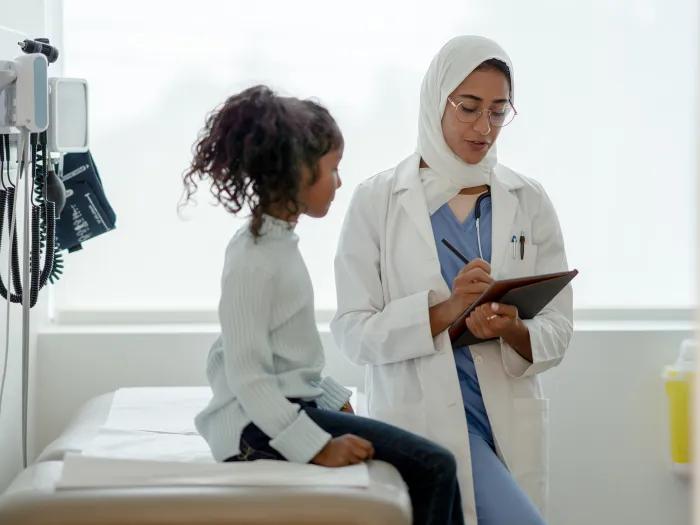
Female doctor wearing glasses and white hajib talking to young girl in exam room

Refer or Transfer a Patient

If you're a health professional who needs to transfer a patient to U-M Health, one call connects your patients with world-class services and advanced care.

Refer or transfer a patient
Reviewing medical images on a tablet

Upload Your Images

Securely transfer images electronically to U-M Health through Life Image, a third-party HIPAA-compliant image exchange network.
Upload your images
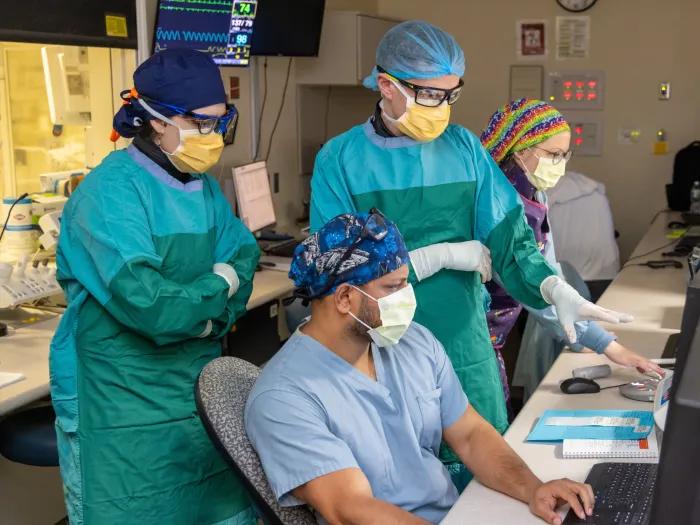
A group of people looking at a computer screen

Access Electronic Medical Records

There are several options for referring physicians to access their patients’ electronic medical records. Find the option that will best meet your practice's needs.

Access electronic medical records

Contact Us

M-LINE is a single, 24-hour, toll-free number for referring physicians and their staff seeking access to clinical services and faculty at University of Michigan Health.

Call M-LINE: 800-962-3555
U-M Health Physician Liaison Team

Meet the Physician Liaison Team

Our Physician Liaison team is dedicated to providing personalized service to community-based physicians.

Meet the team

Connect with Michigan Medicine

Opportunities

woman with red nail polish wearing a gold shirt holding an mobile phone

Clinical Colleague Newsletter

We are committed to communicating with our referring providers. Sign up for Clinical Colleague Newsletter email updates from U-M Health.

Sign up for email updates
woman at mic. with hand over her heart

Speakers Bureau

Michigan Medicine's Speakers Bureau is one way for our providers to engage with colleagues across the state of Michigan.

Request a speaker
Doctors-Around-A-Table

Join Our Team

Michigan Medicine provides world-class training, diverse opportunities, and the mentorship you need to ignite your career and shape the future of health care.

Explore Career Opportunities

Latest from Health Lab

See more Health Lab articles
mom smiling with two kids
Health Lab

Rare genetic eye disease treated with gene therapy helps 2 children see again

Mia and Niko Spicer were diagnosed with Leber’s congenital amaurosis type 2, a rare genetic eye disease, and were treated with the gene therapy Luxturna to improve their vision.
women looking at model hand in front of poster and computer on table next to them
Health Lab

Rethinking how clinicians learn to feel disease

For most doctors, learning to recognize swollen joints begins in the classroom. A clinical assistant professor in Michigan Medicine's Division of Rheumatology saw a gap in how to distinguish subtle swelling in joints, thus creating a hand simulator to help.
girl smiling with graduation cap in white dress field behind her
Health Lab

Born with half a heart, headed to college with a full life

Teen born with complex congenital heart condition called hypoplastic left heart syndrome, referred to as half a heart, prepares for big milestone as she starts college.
water color cells black background colorful
Health Lab

How a common virus's hijack of cell repair processes may promote cancer

Researchers at the University of Michigan look at details surrounding EBV’s reactivation from latent infection, known as the lytic phase of viral replication. 
lungs in blue body with yellow and navy background
Health Lab

Advancements and trends in lung transplantation

As U-M Health celebrates its 1,000 lung transplant patient, two lung experts talk about advancements and what to think about when choosing a center to partner with for a lung transplant surgery.
presentation on stage with slideshow up
Health Lab

Medical students develop novel technological solutions for unmet patient needs

University of Michigan medical students showcased AI-driven healthcare innovation projects focused on melanoma support, transplant recovery and primary care access.