Parkinson's Disease
Parkinson's Disease
What is Parkinson's disease?
Parkinson’s disease is a movement disorder that affects about one percent of people over the age of 60, and more than one million people in the U.S. Parkinson's usually begins after the age of 40, but younger patients can be affected. It is caused by the deterioration of nerve cells that make a chemical called dopamine.
Our Approach
For those with Parkinson’s disease, or disorders that mimic Parkinson’s disease, University of Michigan Health offers comprehensive care delivered by an internationally recognized medical team, including neurologists that specialize in movement disorders. We treat more than 1,000 Parkinson’s patients each year as well as patients suffering from corticobasal degeneration, dementia with Lewy bodies, multiple system atrophy and progressive supranuclear palsy.
Appointment Information
To make an appointment to discuss Parkinson's Disease or another movement disorder, call 734-764-6831.
What are the symptoms of Parkinson's disease?
Parkinson's disease generally presents slowly and progresses gradually over the years. The main signs of Parkinson’s disease are:
- Tremors
- Slowness of movement (called bradykinesia)
- Stiffness (called rigidity)
- Poor balance
The tremor is a rest tremor, meaning that it is most noticeable when the limb is at rest and improves when the limb is in use. These symptoms are usually mild and barely noticeable in the early stages, but progressively worsen over time. Patients may also have symptoms that are not related to movement, many of which affect mental functioning, mood, senses and the ability to sleep or remain awake. As symptoms worsen, people may have difficulty walking, talking, or performing other tasks. It is important that patients discuss their symptoms with their physicians so that treatment can be started and optimized.
How is Parkinson's disease diagnosed?
Patients who come to the Movement Disorders Program are seen by a movement disorders specialist, a neurologist who has extra training in evaluating and treating a person with Parkinson’s disease. There are no blood or imaging tests that can confirm Parkinson’s disease, so diagnosis is based on visible signs and symptoms, which are reviewed during a medical history and neurologic examination.
How is Parkinson's disease treated?
Despite the fact that Parkinson’s disease slowly worsens over a number of years, we now have effective medications that act on the dopamine system and allow patients to do well for a significant period of time. One of the best medications for the disease is called levodopa, which gets changed to dopamine in the brain and significantly improves symptoms. Other treatment options include dopamine agonists, COMT inhibitors, and MAO-B inhibitors, all of which help to enhance dopamine transmission in the brain.
Early in the disease, medications may work well, but as time goes on patients may find the effects don’t last as long. They will feel slow, stiff, and many will develop dyskinesias or abnormal, involuntary movements. When people start experiencing these symptoms despite taking medications, deep brain stimulation surgery (DBS) is often recommended. DBS involves placing electrodes in precise locations of the brain. The electrodes are connected to a wire that runs underneath the skin to a battery in the chest. When electrical stimulation is delivered to the brain, the tremor improves. It’s like a pacemaker for the brain, instead of the heart.
Surgical Therapies Improving Movement (STIM)
Our Surgical Therapies Improving Movement (STIM) program includes one of the largest deep brain stimulation centers in the Midwest region. We have a multidisciplinary evaluation program for potential surgical candidates including members from neurology, neurosurgery, psychology, psychiatry, speech pathology, radiology and social work. In addition, we are home to internationally-renowned researchers who are studying the underlying causes of Parkinson’s disease as well as new treatments. For those who qualify for the surgery, neurosurgery works closely with rehabilitation for patients who may need physical, occupational and speech therapy.
Deep Brain Stimulation helps to relieve motor symptoms such as stiffness, improves the ability to move and may also reduce the severity of tremor. And whereas levodopa causes additional dyskinesias over time, DBS has been found to relieve them. Another benefit of DBS is that since electrical stimulation is constantly delivered to the brain, patients experience an increase in their “on” time – when motor function is good, while “off” times – when motor function is poor, are typically shorter and milder than before surgery.
Clinical Trials
In addition to offering comprehensive care and cutting edge treatments for Parkinson’s disease, we are also conducting clinical trials on agents that may slow down the disease’s progression. We excel in bringing this cutting-edge research to the care of our patients. The National Institutes of Health has awarded our program with a grant to perform studies in individuals with Parkinson’s disease, looking at levels of chemicals in the brain and how they relate to motor and non-motor symptoms. We are also researching why some patients with the disease who take medications may have impulse control disorders, and how we can predict whether or not someone will develop significant thinking and memory problems.
Locations
-
Geriatric Neurology Clinic | East Ann Arbor Health & Geriatrics Center 4260 Plymouth Rd
Level 1
Ann Arbor, MI 48109-2700Get Directions
Doctors
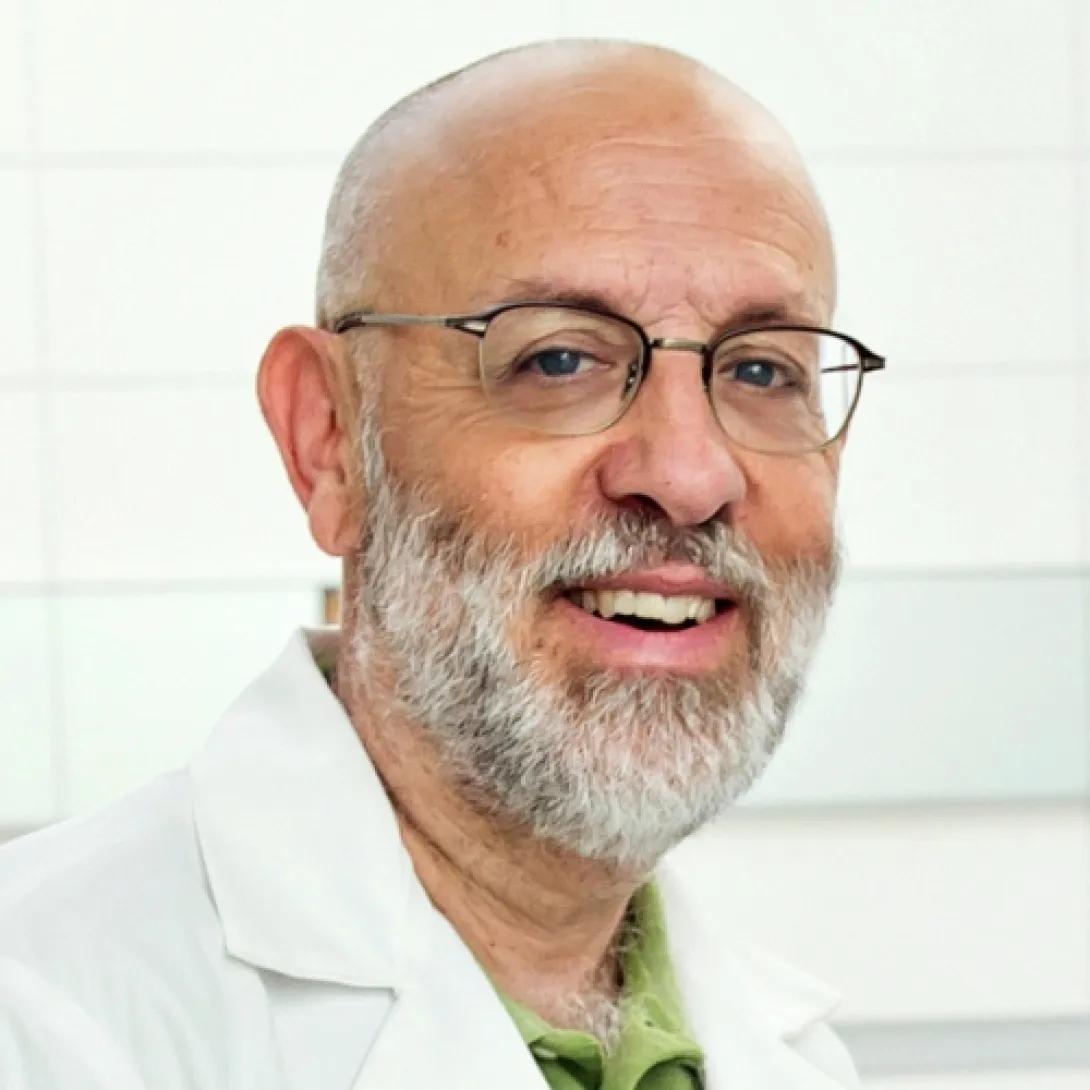
Roger L Albin, MD
Professor
Neurology
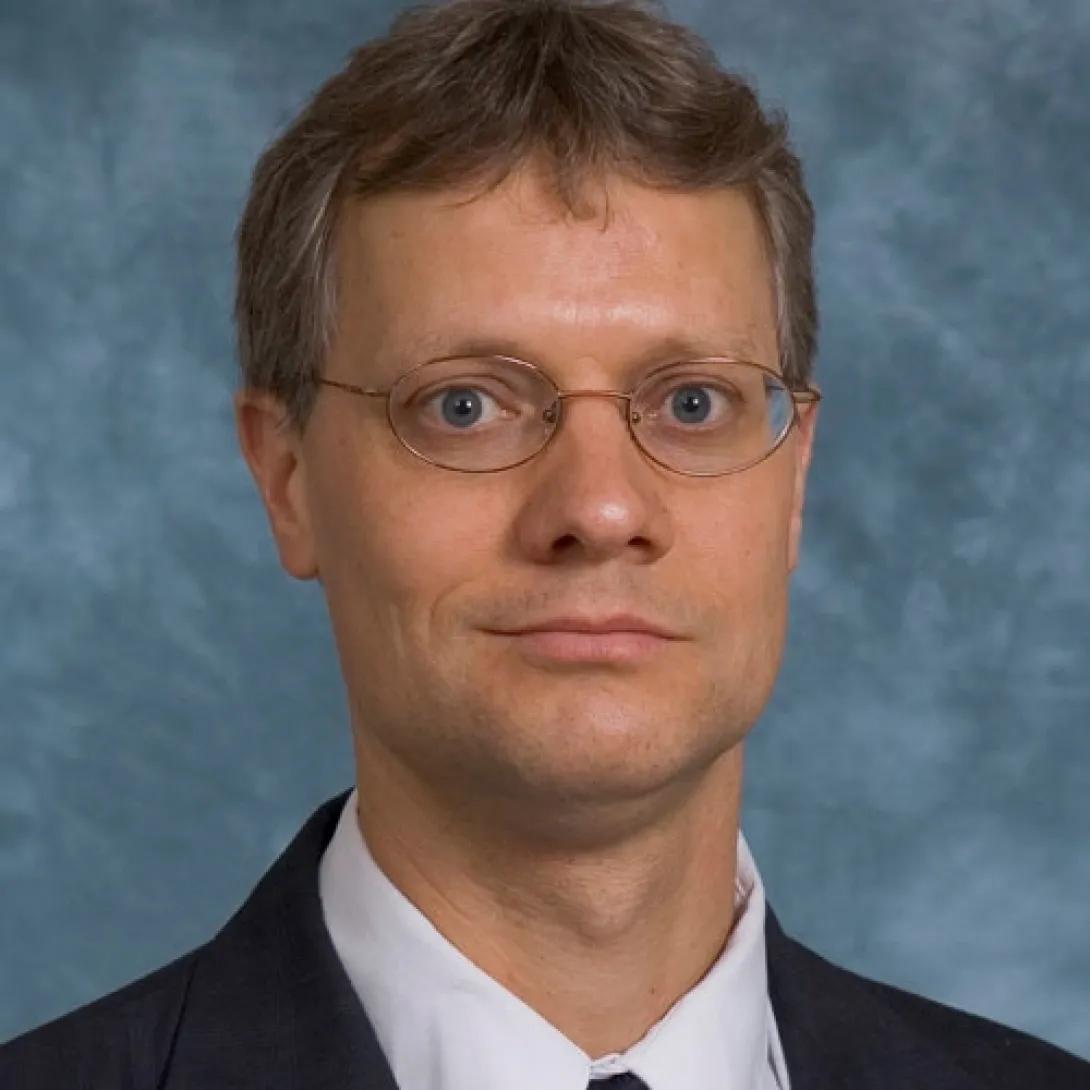
Nicolaas Ida Bohnen, MD
Professor
Nuclear Medicine, Neurology
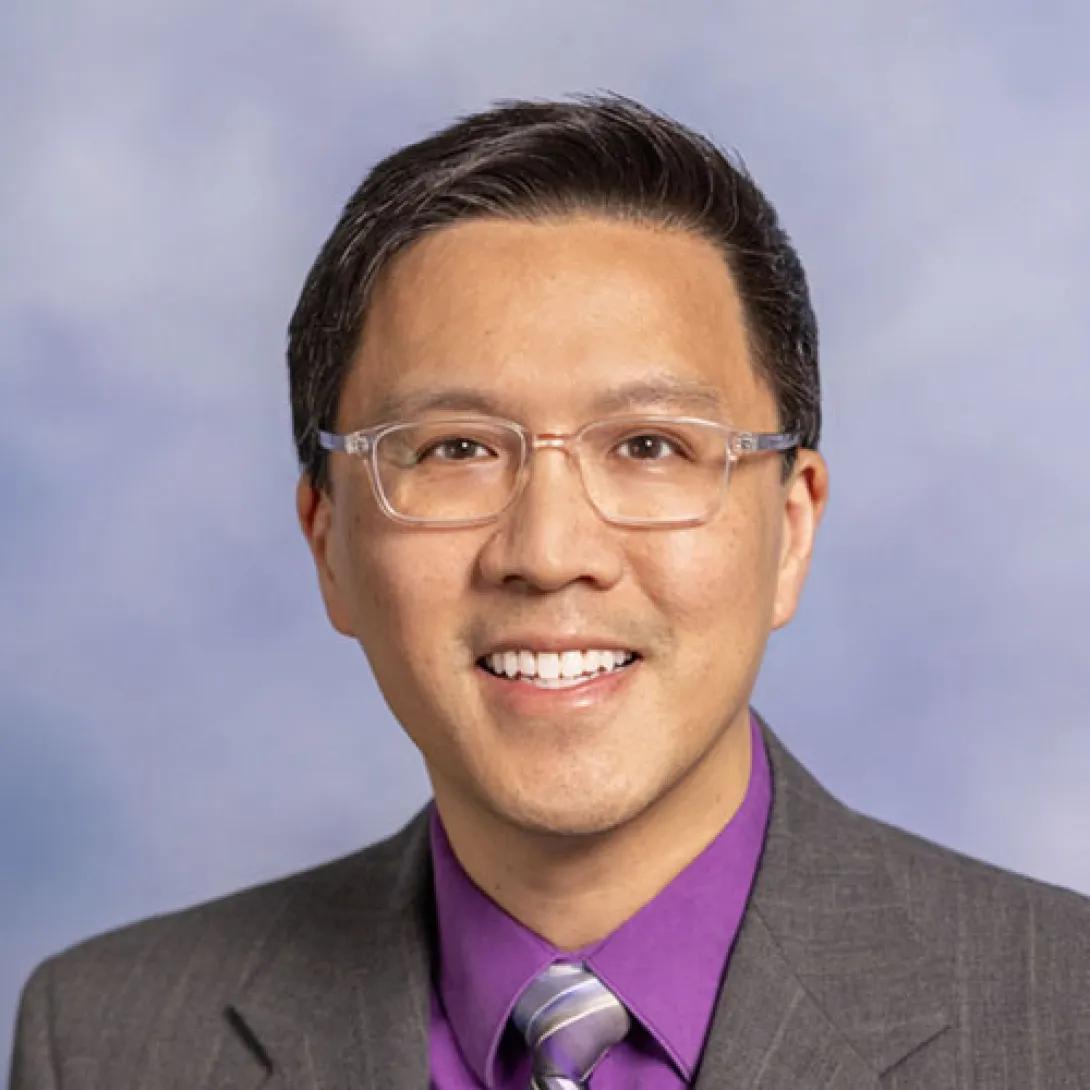
Kelvin Lin-Yu Chou, MD
Clinical Professor
Neurology
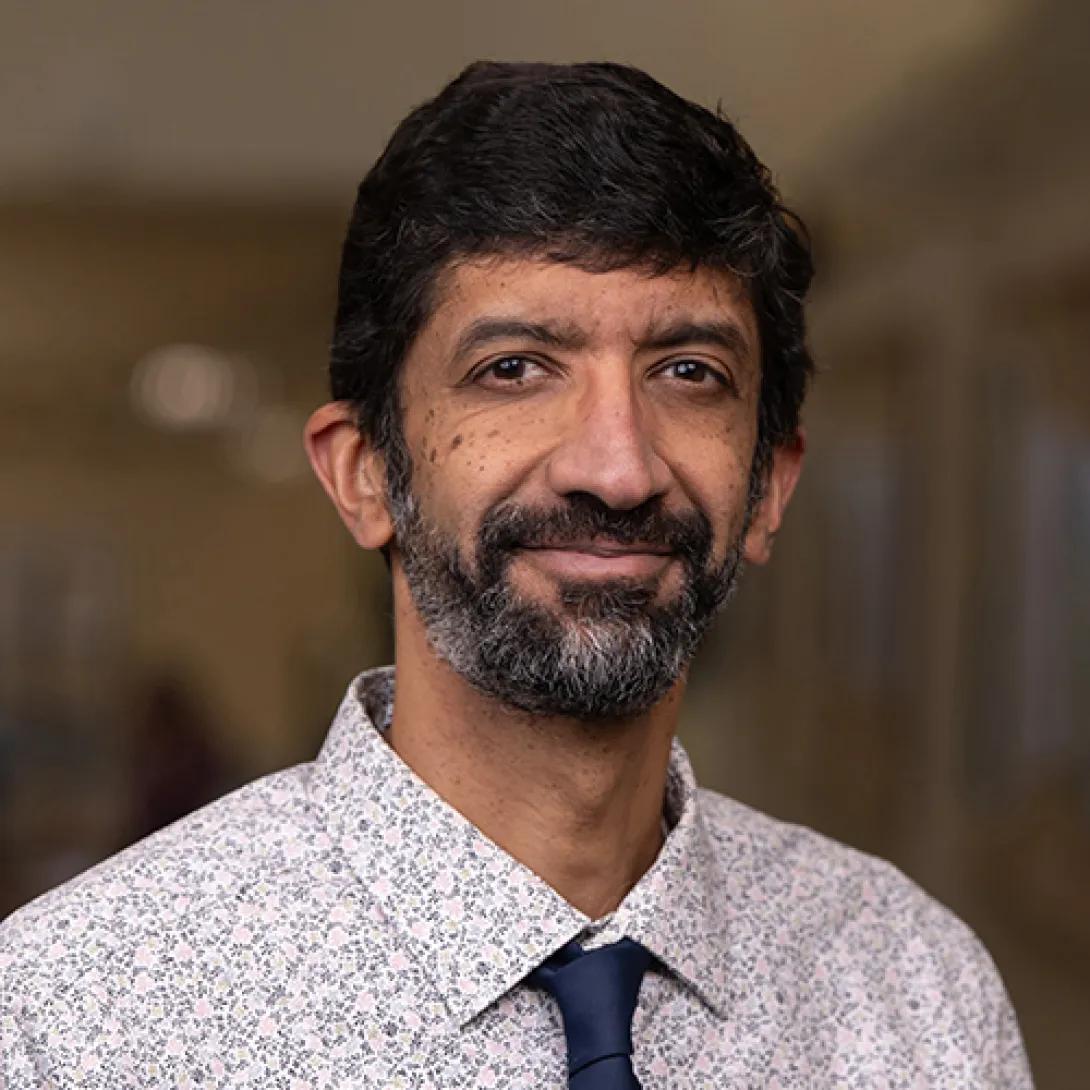
Praveen Dayalu, MD
Clinical Professor
Neurology
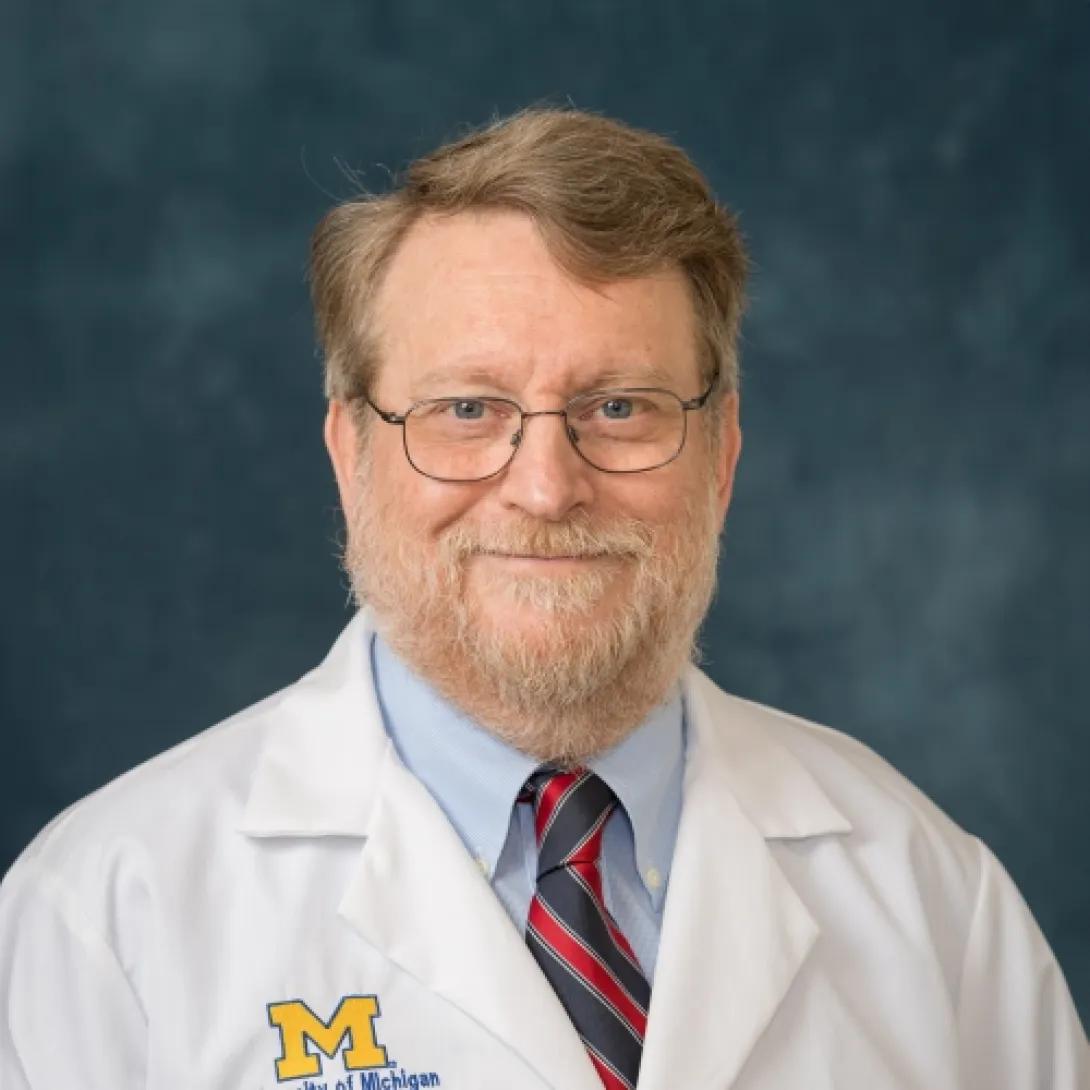
Kirk Andrew Frey, MD
Professor
Nuclear Medicine, Neurology
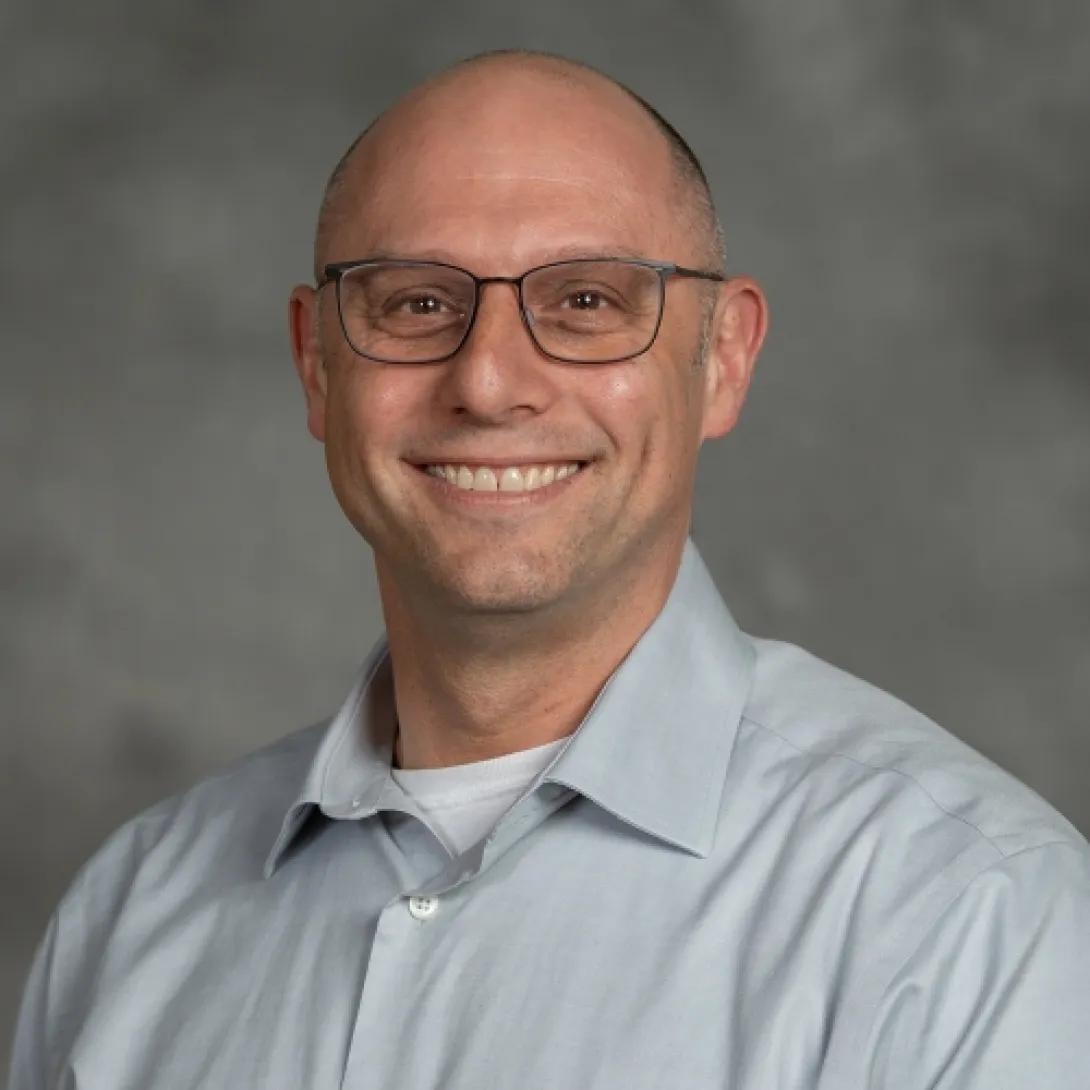
Daniel Kent Leventhal, MD
Clinical Associate Professor
Neurology
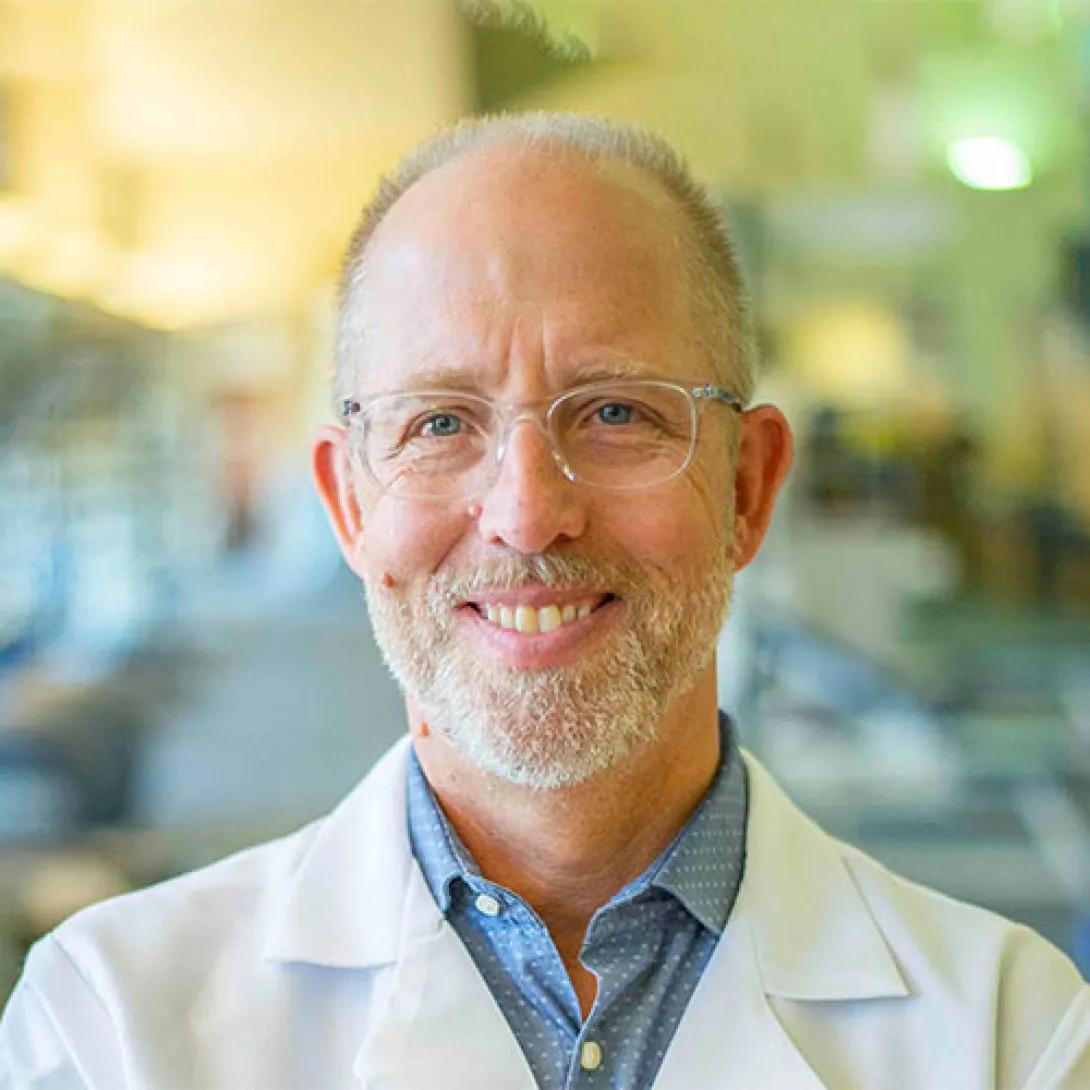
Matthew Thomas Lorincz, MD, PHD
Clinical Professor
Neurology
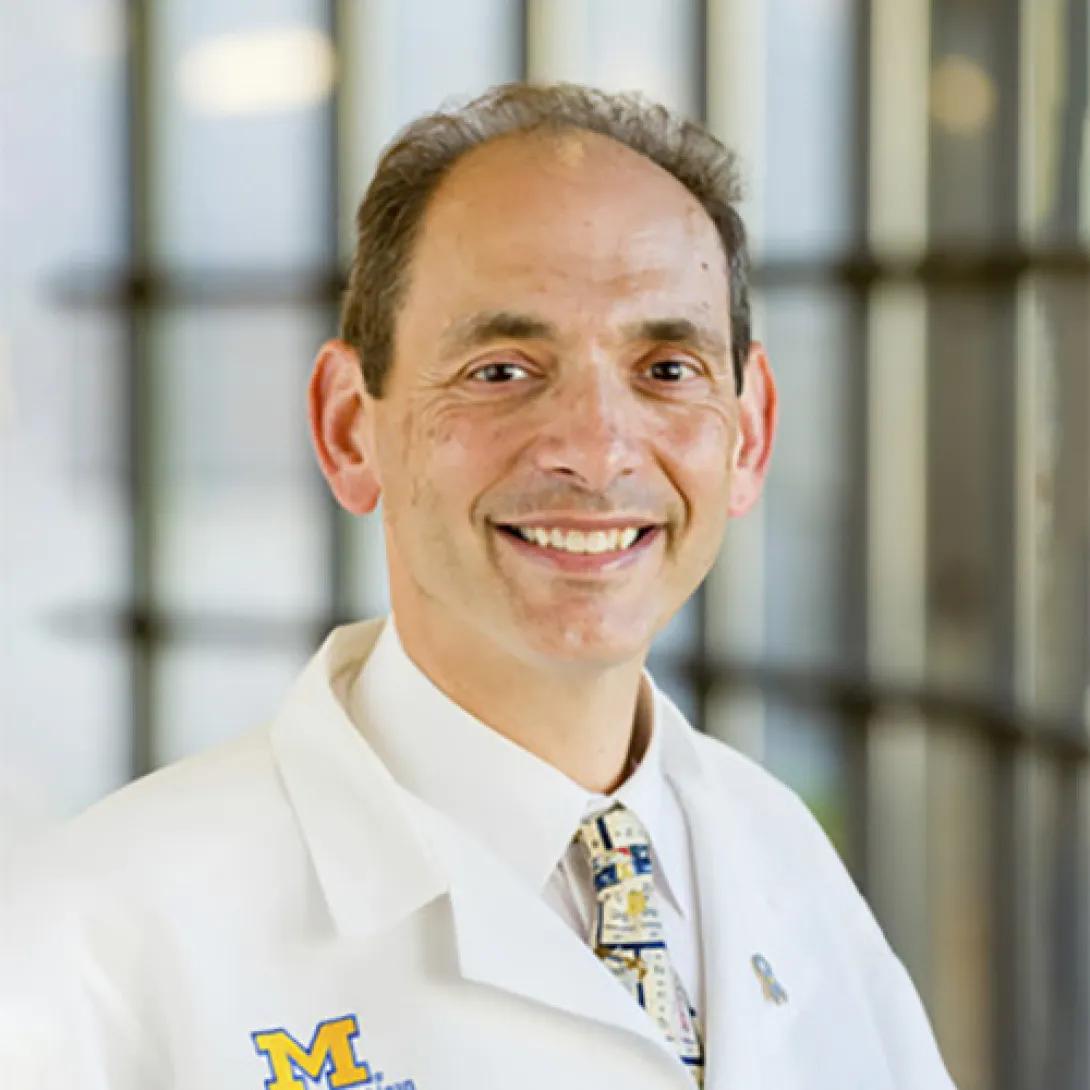
Oren Sagher, MD
Professor
Neurological Surgery
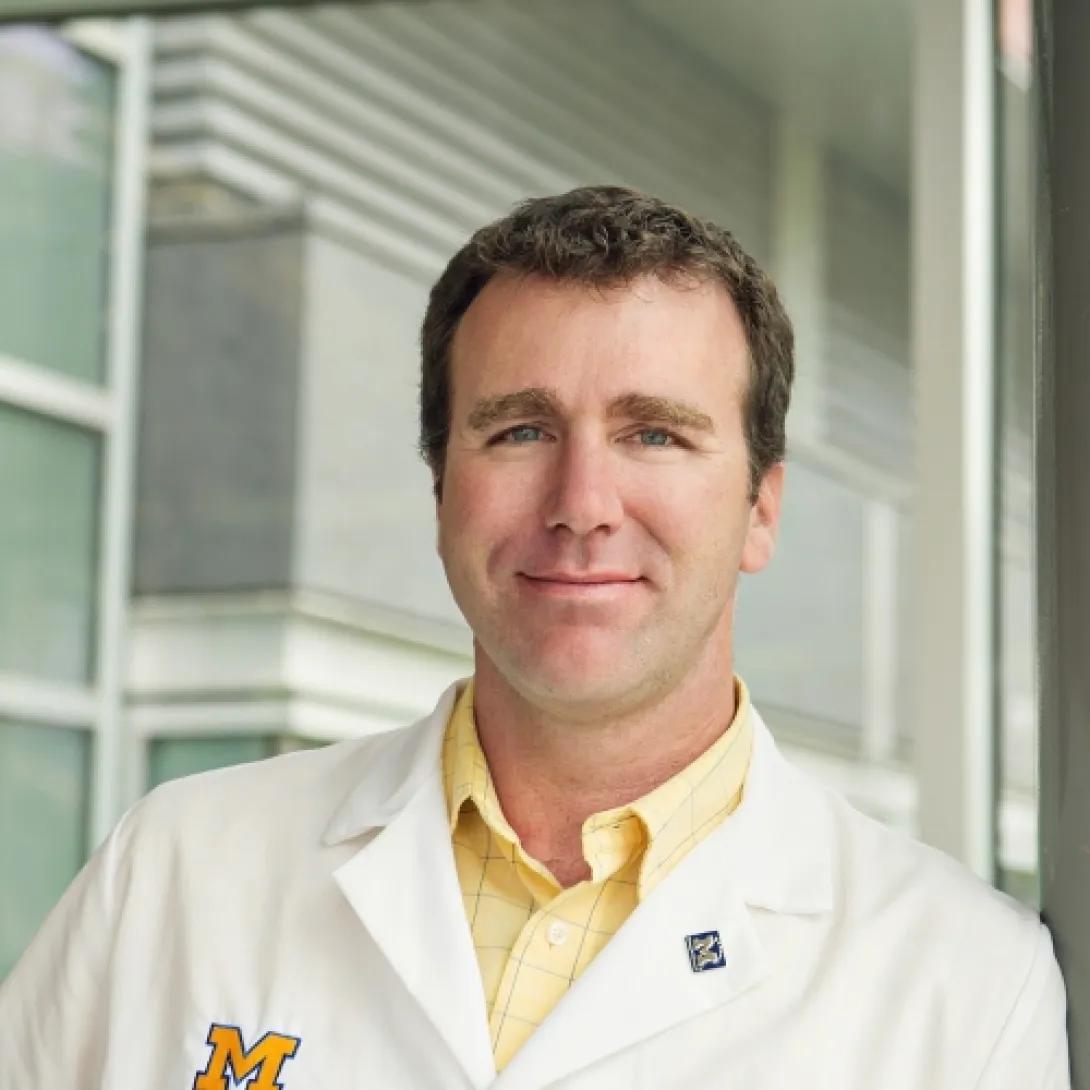
Peter Kennedy Todd, MD
Professor
Neurology
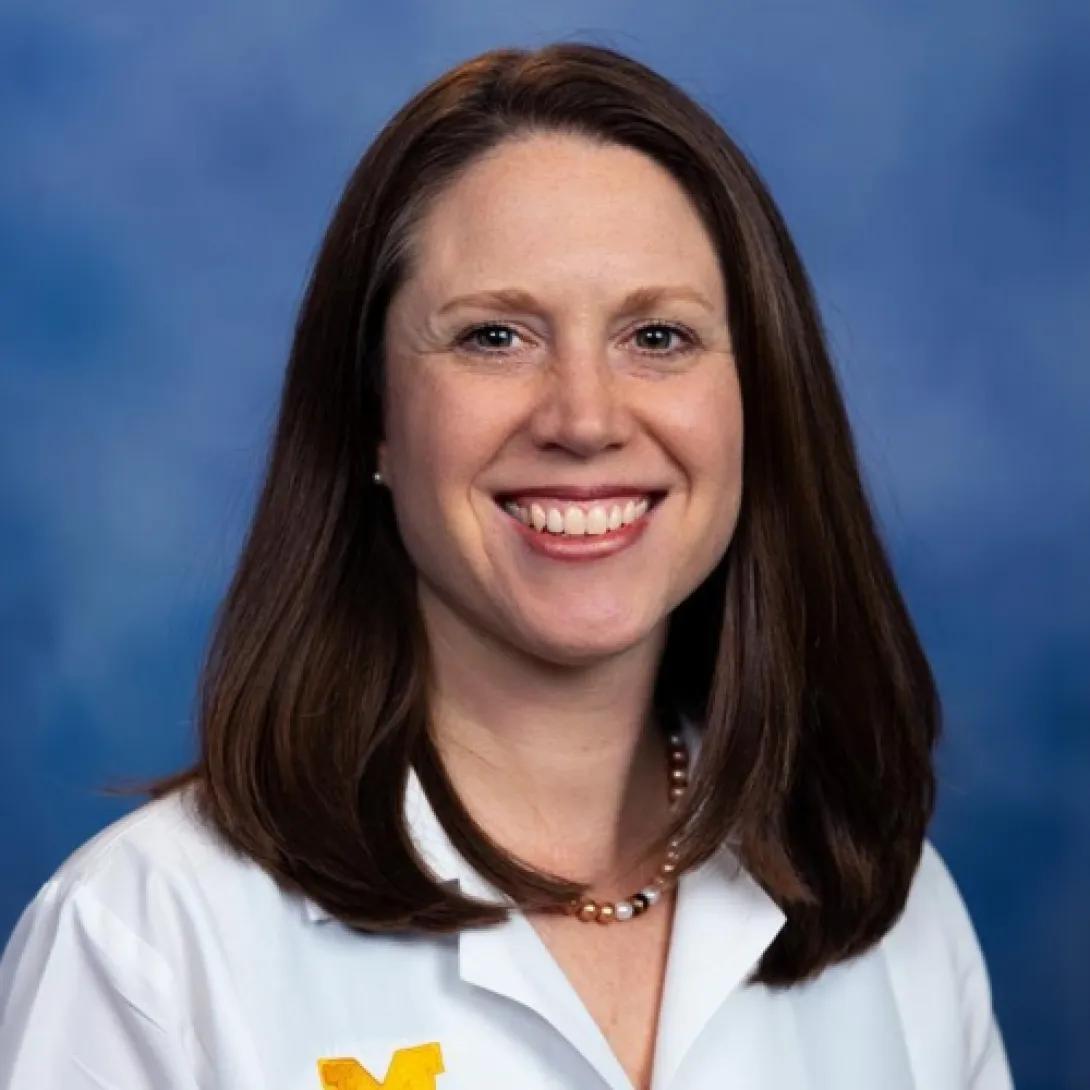
Kara Jean Wyant, MD
Clinical Associate Professor
Neurology
News & Stories
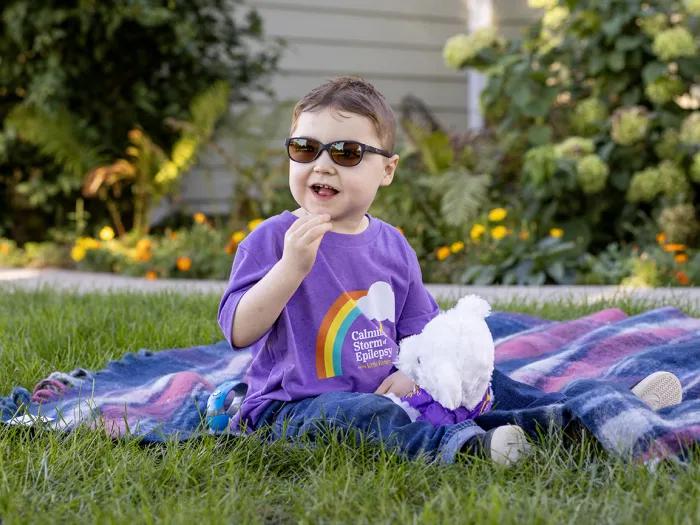
A pediatric epilepsy fundraiser that changes lives
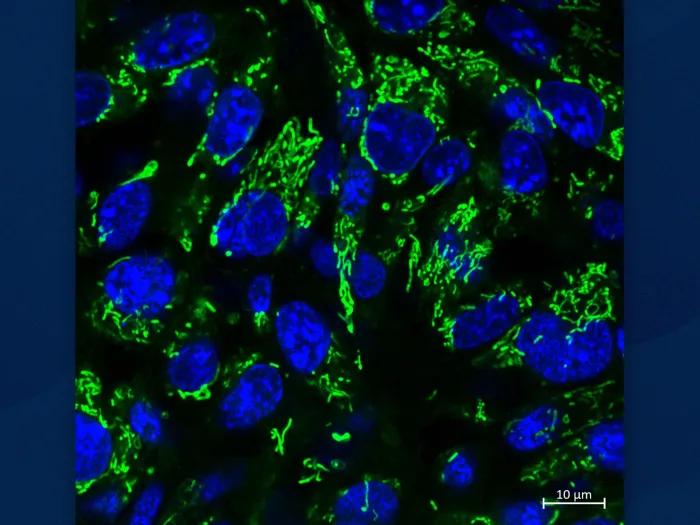
Engineered nanoparticles sensitize gliomas to radiotherapy
First person-centered measure of dementia caregiving styles improves partner, patient outcomes

7 things every family caregiver should know – but many don’t
Research may help better predict outcomes in kids with congenital cytomegalovirus