
Dialysis & Vascular Access
Dialysis & Vascular Access
The kidneys perform functions essential to sustaining life. They continuously clean the blood, flushing out impurities and balancing body chemistry. They also help regulate both blood pressure and the quantity of fluid leaving the body. In the event that the kidneys fail, either at the final stage of chronic kidney disease (called end stage renal disease or ESRD) or as the result of an acute kidney injury, there are two options to take on the work of the non-functioning kidneys—dialysis, a group of alternatives to cleanse the blood outside of the kidneys, or the transplantation of a healthy kidney into the body.
Types of Dialysis
- Hemodialysis accesses the bloodstream through a connection between an artery and a vein, called a vascular access. Blood circulates between that connection and a machine outside of the body to clean the blood. Ongoing hemodialysis can be performed at either an outpatient dialysis center or in an individual’s home, as well as in an inpatient setting if the patient is hospitalized for any reason.
- Peritoneal dialysis circulates a cleaning solution into the lining of the abdomen (called the peritoneum) to clean the blood. The peritoneum is accessed through a catheter in the abdomen.
Emergency & Hospital-Based Dialysis
When dialysis patients are hospitalized for any reason, or when a hospitalized patient experiences acute kidney injury or acute renal failure and must immediately transition to dialysis, the Nephrology Consultative Services ensure that life-sustaining dialysis can proceed.
Specialists in Critical Care Nephrology provide advanced kidney support for patients being cared for in University Hospital’s six intensive care units (ICUs). They closely collaborate with cardiovascular medicine, pulmonary medicine, surgery and other specialties providing critical care in the ICU setting in order to provide uninterrupted kidney support when needed.
For patients in an ICU with acute or chronic renal failure, dialysis support is provided at the bedside with the goal of optimizing therapy while maintaining patient stability. This can include use of continuous renal replacement therapy, a technique that allows for optimal management of fluid, electrolyte and toxin balance in critically ill patients.
Our eight bed state-of-the-art dialysis unit provides standard hemodialysis care to inpatients with acute kidney injury or end stage renal disease. This unit is staffed by a team of highly experienced nurses, patient care technicians, social workers and renal dieticians. It operates six days a week, and staff is on call for emergency care on weekends and after hours.
The unit provides optimal care for patients receiving dialysis using advanced equipment and innovative dialysis technologies. The Acute Dialysis Unit also has outpatient ESRD certification and has formal clinical and administrative protocols in place designed for outpatient dialysis.
Vascular Access
Establishing Access
Patients new to hemodialysis must undergo a surgical procedure (usually performed as an outpatient) to establish one of three types of vascular access:
- Arteriovenous (AV) fistula: A direct connection between an artery and a vein, usually established on the surface of the arm.
- Arteriovenous (AV) graft: A similar connection using a Gortex-like material to join the artery and vein.
- Tunneled (subcutaneous) catheter: A connection made through a tube inserted beneath the skin.
New peritoneal dialysis patients must also have access established through a procedure that implants a soft catheter in the abdomen in order to access the peritoneal cavity used to perform the peritoneal dialysis
For patients hospitalized with acute kidney injury, emergency temporary vascular access can also be established using a venous catheter until a permanent access point can be established.
Maintaining Access
Over time, issues can arise at the point of access requiring prompt, skilled medical attention. Fistula and graft access points can become clotted or fail. Peritoneal dialysis patients may develop problems if their abdominal catheters develop holes or become malpositioned.
Interventional Nephrology Unit
The INU is dedicated to providing excellent and timely care to chronic kidney disease and dialysis patients for both vascular access and peritoneal access needs. In addition to well-trained interventional nephrologists, the team is comprised of registered nurses, radiology technicians, access coordinators, as well as a host of other collaborating physicians. The INU offers cutting edge, innovative dialysis access placement and management strategies, as well as coordinated access care to meet the needs for hemodialysis and peritoneal dialysis patients.
The Interventional Nephrology Unit (INU) is located adjacent to the Acute Dialysis Unit on the 7th floor of University Hospital.
We offer the following services:
- Insertion and removal of tunneled hemodialysis catheters
- Insertion and removal of peritoneal dialysis catheters
- Fibrin sheath removal from chronically indwelling central catheters
- Mechanical thrombectomies of clotted hemodialysis catheters
- Angiograms
- Angioplasties
- Mechanical thrombectomies of clotted AVFs and AVGs
- Diagnostic sonography
- Renal biopsies
- Accessory vein ligation
- Peritoneal dialysis catheter insertion/manipulation
- Endovascular fistula creation
- Dialysis access clinical trials
Appointment Information
At U-M Health, we strive to provide superior dialysis access care for patients with end stage renal disease. After hours, including nights and weekends, routine messages and referrals may be communicated via voicemail or fax, and the dialysis access coordinators will respond the following business day. Urgent and emergent issues after hours are triaged via M-Line (800) 962-3555.
Hours of Operation: Monday – Friday 7 am - 5 pm
Phone: (734) 936-5646
Fax: (734) 763-3016
After hours emergent issues: M-Line (800) 962-3555
Email: [email protected]
Locations
-
Dialysis Clinic | Canton Dialysis Center 275 N Canton Center Road
Canton, MI 48187-0001Get Directions -
Dialysis Clinic | Eisenhower Corporate Park 2850 S Industrial Hwy Ste 100
Ann Arbor, MI 48104-6796Get Directions
Doctors

Robert John Beaulieu, MD
Clinical Associate Professor
Vascular Surgery

Craig Stanton Brown, MD
Clinical Assistant Professor
Vascular Surgery

Peter Kerr Henke, MD
Professor
Vascular Surgery, Surgery

Nicholas Harold Osborne, MD
Associate Professor
Vascular Surgery, Surgery

Nimesh Anantlal Patel, MD
Clinical Assistant Professor
Vascular Surgery, Surgery
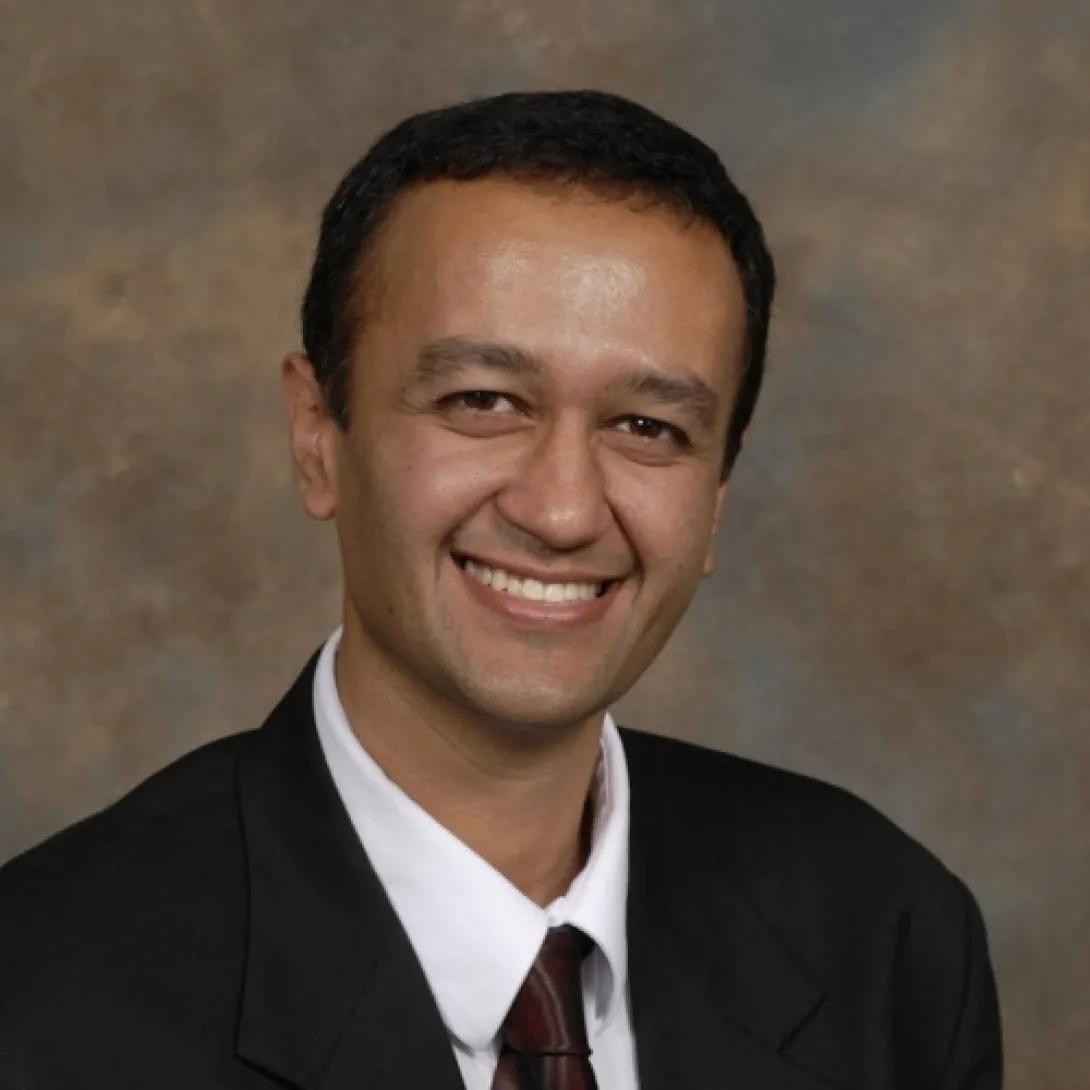
Karthik Ramani, MBBS
Clinical Associate Professor
Nephrology, Internal Medicine

Ittikorn Spanuchart, MD
Clinical Assistant Professor
Nephrology
News & Stories
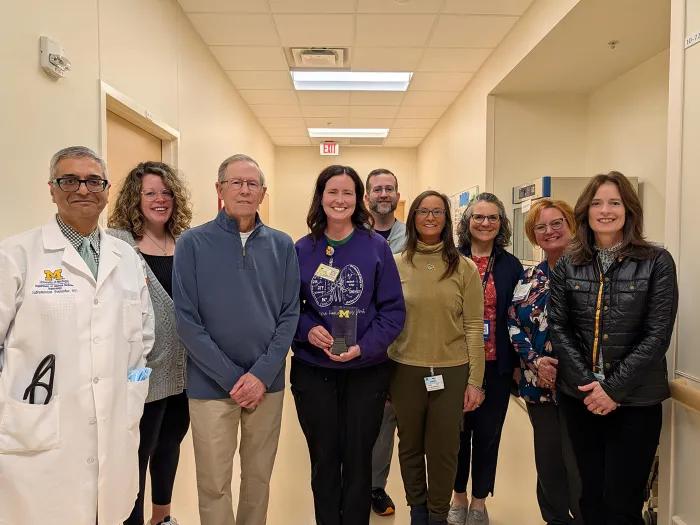
Family’s gift honors wife and mother, supports nephrology nurses

The Kidney Warning Signs You’re Missing— And Why Waiting is Dangerous
The quiet warning signs your kidneys may be signaling
Medicare's New GLP-1 Bridge Program

Kidney transplant recipient celebrates 10 year anniversary at Transplant Games
