Colorectal Surgery
Colorectal Surgery
University of Michigan Health is renowned for its highest level of care in diagnosis and treatment surgical care and post-operative management of complex colorectal disorders affecting the intestines, rectum and anus. Our expert group of board-certified colorectal surgery specialists offers minimally invasive surgical approaches, including laparascopic colorectal surgery and robotic colorectal surgery, for the treatment of colon and rectal cancer, inflammatory bowel disease, diverticulitis, rectal prolapse and other colorectal conditions.
Our Approach
Our highly skilled surgeons are committed to delivering care based on the latest evidence based surgical and medical techniques and research discoveries. A multidisciplinary team of enterostomal therapists, nurses, nutritionists, physical therapists, physician assistants, social workers and allied health professionals are a part of the team supporting healing and quality of life.
Recommended For
We diagnose benign and malignant conditions of the small bowel, colon, rectum and anus and treat using both open and laparoscopic surgical techniques.
Anorectal Disorders
- Abscess
- Anal sphincter spasm
- Cancer
- Condyloma
- Fecal Incontinence
- Fissure
- Fistula
- Hemorrhoids
- Pilonidal Disease
- Polyps
- Prolapse
- Stenosis/Stricture
Colon and Rectal Disorders
- Abscess
- Bowel obstruction
- Cancer
- Diverticular Disease
- Dysmotility/Colonic Inertia
- Fistula
- Familial Adenomatous Polyposis
- Hereditary Non-polyposis
- Colorectal Cancer
- Crohn's Disease
- Ulcerative colitis
- Non-specific and infectious colitis
- Polyps
- Stenosis/Stricture
Appointment Information
To schedule an appointment with a colorectal surgeon, please call us at (734) 936-5738.
Patients will have access to all of the resources available at our facility including consultation with gastroenterologists, gynecologists, urologists, medical oncologists, radiation oncologists and other disciplines as warranted. We are part of the University of Michigan Comprehensive Cancer Center and the Michigan Bowel Control Program.
News & Stories

Blood-based multi-cancer screening tests: Ready for primetime?

New oral nanomedicine boosts effectiveness of cancer immunotherapies
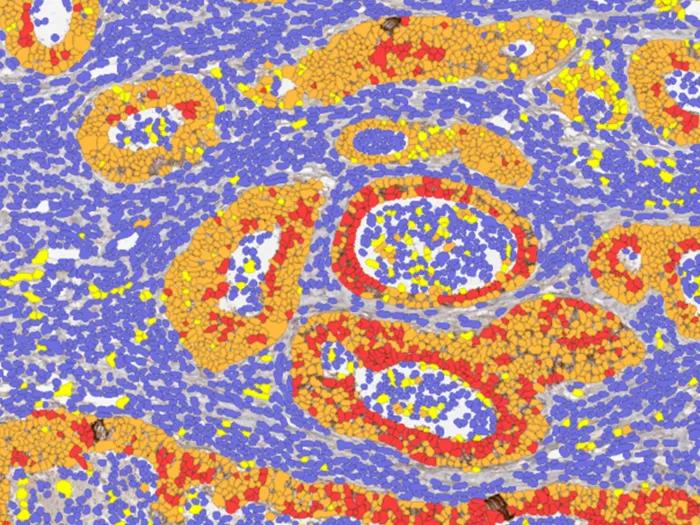
Study explains how colorectal cancer cells maintain high iron levels

Thriving after a rectal cancer diagnosis

Doctors perform first liver transplant in Michigan for colon cancer