Facial Nerve Clinic
Facial Nerve Clinic
The U-M Health Facial Nerve Clinic is one of only a few programs in the world to offer patients with facial nerve disorders fully-integrated multidisciplinary care in one convenient location.
Our Approach
Our providers – spanning numerous specialties across University of Michigan Health - are highly specialized in and dedicated to treating facial nerve disorders. This specialization allows us to offer the most advanced, evidence-based medical and surgical treatment options for each patient. Our team of experts work collaboratively to develop individualized treatment plans for patients.
We understand the far-reaching impact facial nerve disorders can have on a patient’s life, and we provide patient-centered, compassionate care. In addition to medical and surgical services, we offer facial retraining therapy that can help you with rehabilitation of facial movement through customized movement exercises. We also provide support services through our clinic coordinator and dedicated social worker. They work to coordinate logistical details so that patients can focus solely on their health.
Appointment Information
To schedule an appointment, call 734-764-4190 and ask to schedule an evaluation in the Facial Nerve Clinic. Patients will be contacted by the clinic coordinator, who will perform a pre-evaluation screening over the phone, as well as gather records and information so that our team can develop a personalized itinerary for the visit including the scheduling of appointments and other logistics. The Facial Nerve Clinic is located inside the Kellogg Eye Center.
Fax supporting medical and surgical records to 734-232-2332, Attention: Facial Nerve Clinic.
Refer a Patient
To refer a patient to the Facial Nerve Clinic, contact M-Line at 800-962-3555. For more information, visit our For Health Providers page
Frequently Asked Questions
Facial paralysis occurs due to dysfunction of the facial nerve, leading to weakness or loss of facial movement. Because facial nerve muscles impact everyday functions, including eating, speaking, smiling, and blinking or closing the eyes, facial paralysis can have profound functional, emotional, and social consequences for patients.
The most common cause of facial paralysis is Bell’s Palsy, however, this is diagnosed after other potential causes have been ruled out. Other underlying causes of facial paralysis include stroke, Lyme disease, Ramsay Hunt syndrome, brain tumor, head and neck tumor, trauma, surgery, and congenital abnormalities.
Symptoms of facial paralysis include:
- Facial weakness
- Facial asymmetry
- Difficulty making facial expressions such as smiling
- Difficulty blinking
- Difficulty closing eyes
- Changes in saliva and tear production
- Changes in taste on one side of mouth
- Sensitivity to loud sound
- Pain around the ear on the affected side of the face
Patients experiencing acute onset of facial paralysis should be evaluated within an urgent care center or emergency department in order to rule out other causes of facial weakness. Patients are typically seen within the Michigan Medicine Facial Nerve Clinic following initial management by primary care, urgent care and/or emergency department providers.
Patients with facial nerve disorders such as facial paralysis require integrated, collaborative care from a multidisciplinary team including facial plastic surgeons, oculoplastic surgeons, ophthalmologists or optometrists, neurologists, otologists, skull base surgeons, and occupational therapists.
Some patients with chronic facial paralysis may be treated with facial reanimation procedures. These procedures can help restore facial symmetry, function, and movement. They include free tissue transfer, nerve transfer, muscle transfer, and nerve grafting. Furthermore, there are additional procedures including selective neurectomy (selective neurolysis) that may be utilized for patients with facial nerve synkinesis.
Static surgical procedures such as sling procedures, and a variety of eyelid, brow, lip, and facial procedures, can also improve facial symmetry and movement.
Facial paralysis can cause reduced blink reflexes and eyelid closure, leading to corneal dryness, corneal scratches, or, in severe cases, even vision loss.
All patients with facial nerve disorders affecting their eyelids should seek care from an eye provider. Every such patient of the Facial Nerve Clinic is given a baseline eye exam (unless they have had a recent eye exam elsewhere). This helps determine the impact of facial paralysis on the health of the eye, and the information is used to develop the individualized treatment plan for patients.
While waiting for a clinic visit, patients should use preservative-free artificial tears at least 4-6 times a day, and preservative-free artificial tear ointment while sleeping.
Each case is different and there are a variety of factors that impact chance of recovery and extent of recovery following development of facial paralysis. However, it is not uncommon for it to take up to one year or longer to observe full recovery.
Synkinesis is the development of spasms and abnormal movement of the face due to unusual healing of the facial nerve. One part of the face may begin to move abnormally with the intentional movement of another part of the face - for example, the eyelids may involuntarily close when a person is attempting to smile.
Synkinesis may be treated with facial nerve retraining therapy to teach the facial muscles to work in a more coordinated way. It can also be treated medically (with a botulinum neurotoxin injection) or surgically in some cases.
Locations
-
Oculoplastic Surgery Clinic | Kellogg Eye Center 1000 Wall St
Elevator B Floor 3
Ann Arbor, MI 48105-1912Get Directions
Doctors

Elaine Downie, MD
Clinical Assistant Professor
Ophthalmology, Oculoplastics Ophthalmology

Jeffrey Tan Gu, MD
Clinical Assistant Professor
Otolaryngology, Plastic Surgery-Head & Neck
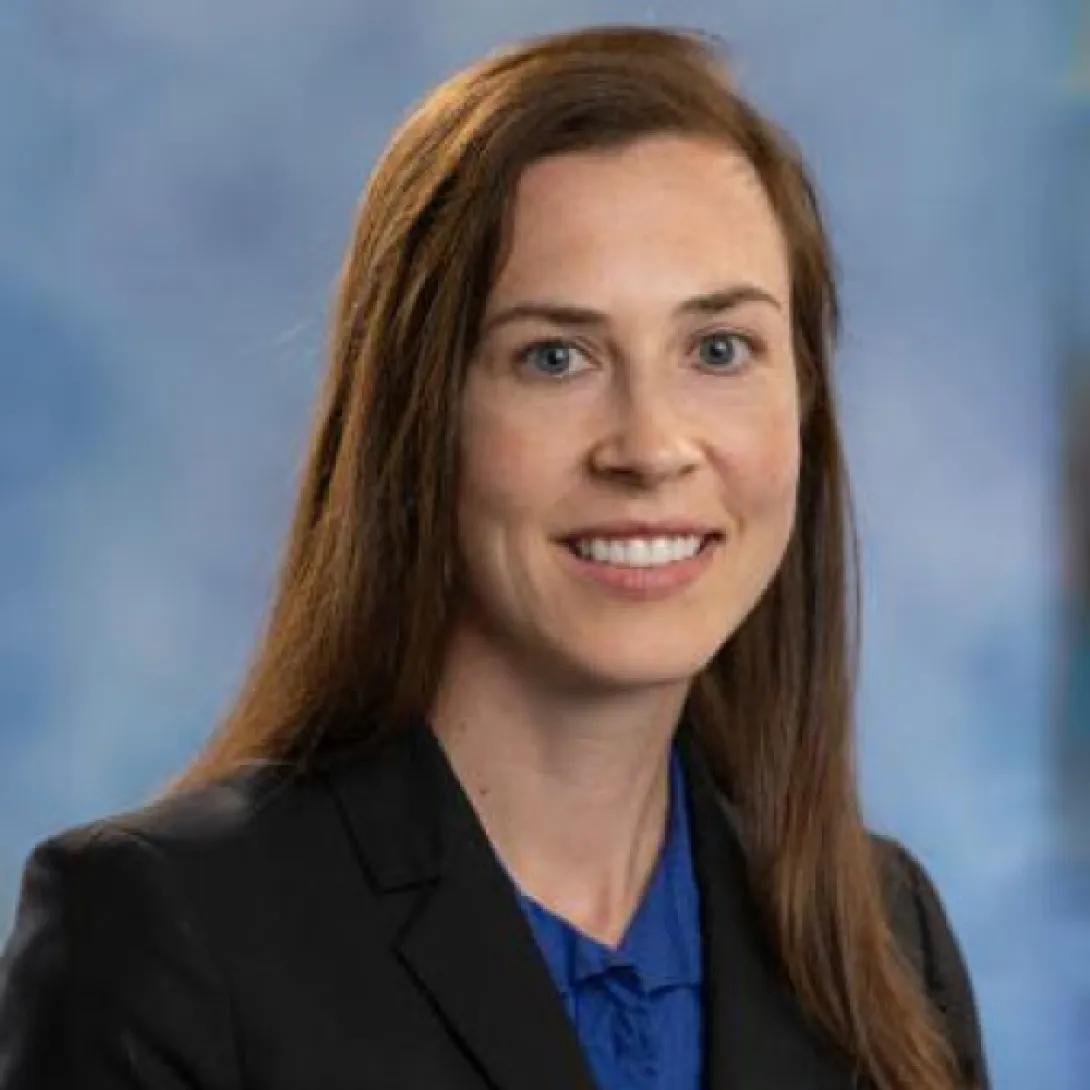
Shannon Flynn Rudy, MD
Clinical Assistant Professor
Facial Plastic Surgery, Otolaryngology
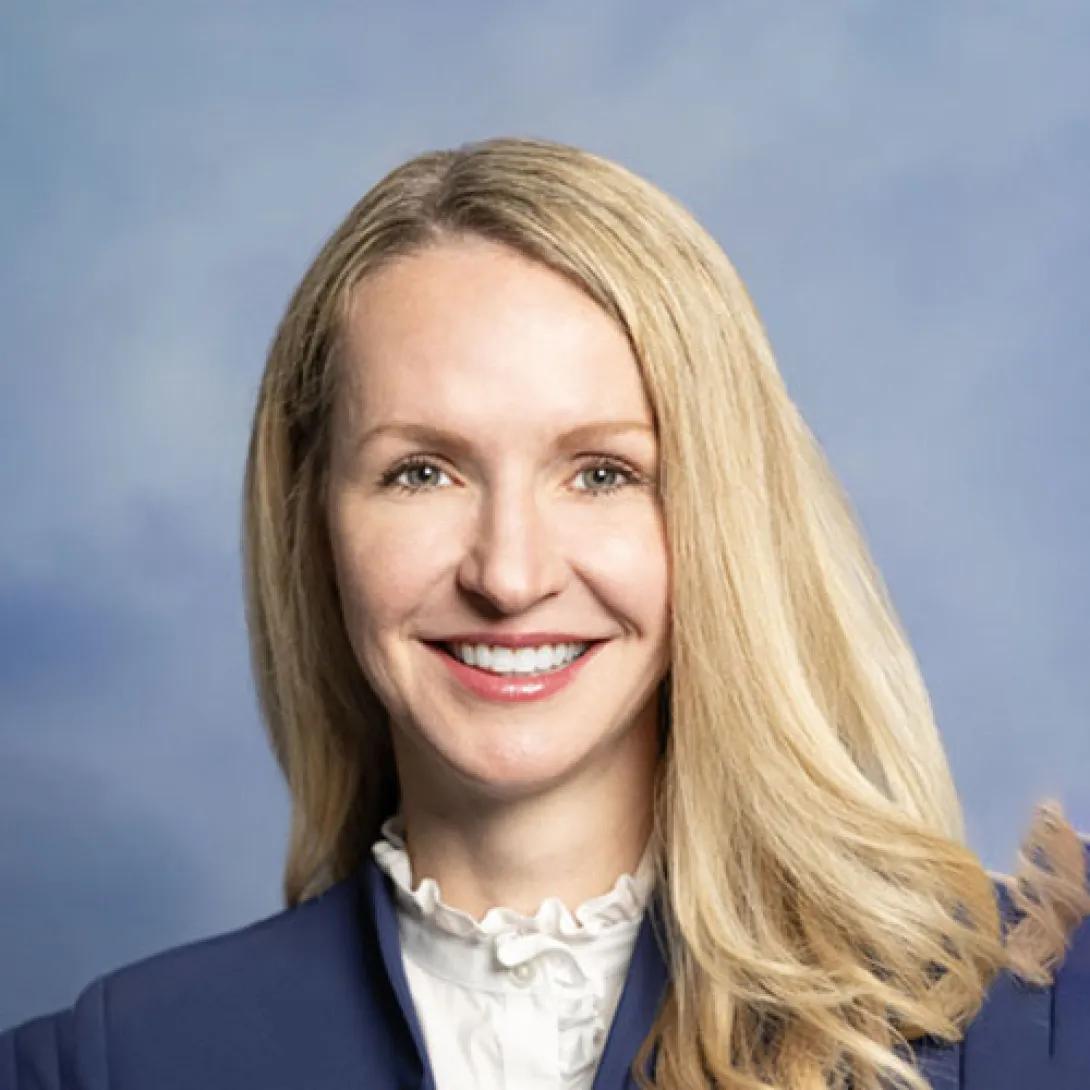
Alison Kay Snyder-Warwick, MD
Clinical Professor
Plastic Surgery
Team Members

Matthew Ban, OT
Lela Rasegan, OT
News & Stories
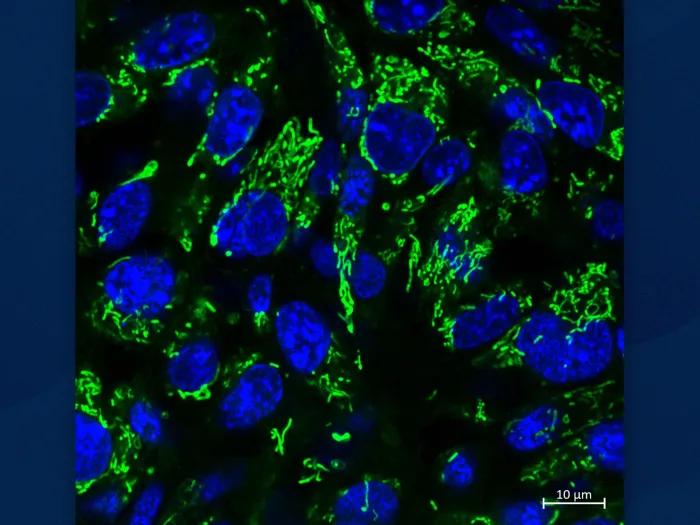
Engineered nanoparticles sensitize gliomas to radiotherapy
Trial focuses on duration of therapeutic hypothermia for out-of-hospital cardiac arrests

E-bikes are faster than ever. Are families prepared for the risks?
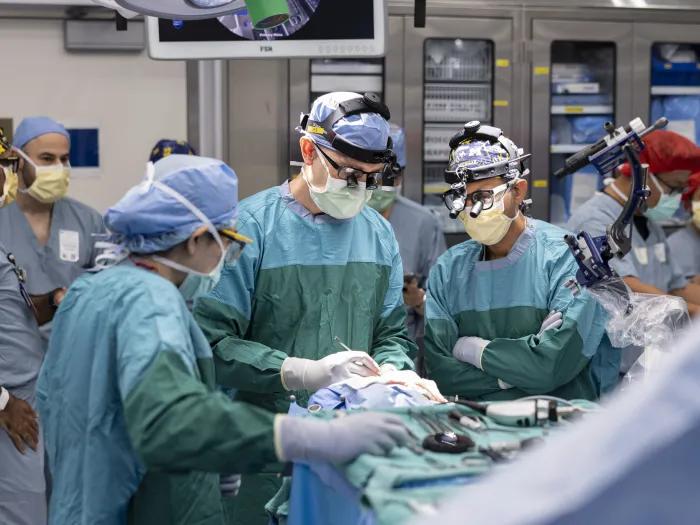
University of Michigan implants first-in-human Paradromics wireless brain-computer interface, designed to restore communication
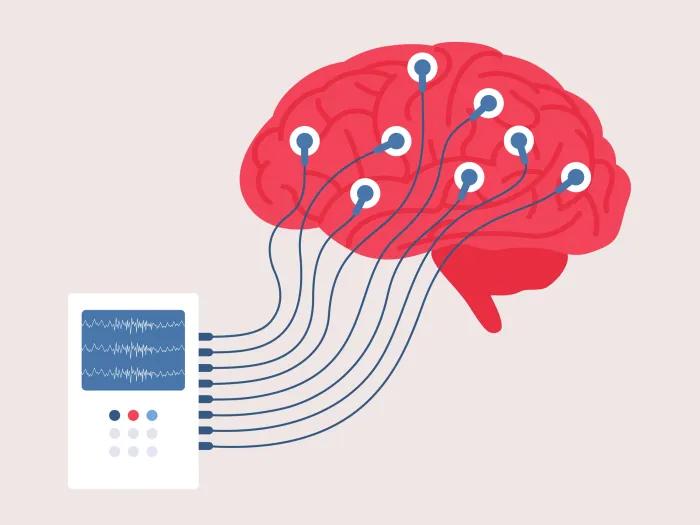
Emergency EEG study suggests need for faster seizure diagnosis and care options