Pituitary Tumor
Pituitary Tumor
What is a pituitary tumor?
Pituitary tumors form in the pituitary gland, a pea-sized organ at the base of the brain about 2 inches straight back from the bridge of the nose. Because the pituitary gland produces hormones that affect other glands and many body functions, including growth, it is often referred to as the “master gland.” Ninety-nine percent of pituitary tumors are noncancerous (benign). However, because the pituitary gland affects important body functions, these tumors can cause serious symptoms and require specialized and often urgent treatment.
Our Approach
All patients with pituitary tumors are seen by a pituitary endocrinologist and a pituitary neurosurgeon, who are specialists with advanced training and knowledge in dysfunctions of the pituitary gland. Our specialists have vast experience in diagnosing and treating what can be a complex condition, seeing up to 400 pituitary tumor patients every year. We offer a multidisciplinary approach to care, with experts from fields of endocrinology, neurosurgery, otolaryngology surgery, neuro-oncology, radiation therapy, pathology and neuro-ophthalmology.
Appointment Information
To make an appointment to discuss a pituitary tumor or other neurological issue, call 866-909-4449.
What are the types of pituitary tumor?
The most common type of pituitary tumor is known as a pituitary adenoma. This type of pituitary tumor makes up more than 90% of all cases. If it has spread to the bones of the skull or the sinus cavity below the pituitary gland, it is known as an invasive pituitary adenoma. Cancerous pituitary tumors, known as pituitary carcinomas, are very rare.
Nonfunctioning tumors
Nonfunctioning tumors are tumors that do not produce hormones, accounting for approximately 65 percent of pituitary tumors. Symptoms of nonfunctioning tumors include vision loss and symptoms related to loss of hormone function, such as fatigue, headache, being cold and decreased sexual function.
Functioning tumors
Functioning tumors produce hormones, accounting for approximately 35 percent of pituitary tumors. The most common types of hormones made by functioning tumors are:
- Prolactin: This is the hormone that causes breast milk during and after pregnancy. These tumors are called prolactinomas. Symptoms may include lack of menstrual periods and production of breast milk in women, and decline of sexual function in males.
- Adrenocorticotropic hormone (ACTH): ACTH is the hormone that causes the adrenal glands to produce cortisol. ACTH-secreting tumors can cause Cushing’s disease, with symptoms including rapid weight gain, hypertension, diabetes and skin changes.
- Growth hormone: This is the hormone that helps control body growth. Growth hormone-secreting tumors can cause acromegaly, with symptoms including abnormal growth of the hands or feet and changes in facial appearances.
Tumors outside the pituitary gland
There are also two types of tumors that originate outside the pituitary gland, but may be treated similarly to pituitary tumors. Meningiomas are noncancerous tumors that develop on the protective lining of the brain or spinal cord, and craniopharyngiomas are noncancerous tumors that develop near the pituitary gland.
How is a pituitary tumor diagnosed?
Because of their complex nature, pituitary tumors can be difficult to diagnose properly. Some patients who come to U-M Health have been given wrong or uncertain diagnoses. Our specialists use detailed, sophisticated hormonal tests along with medical imaging tests, such as MRIs, to diagnose patients with suspected pituitary tumors and determine what type of tumor they have. All patients are seen at their first visit by a pituitary endocrinologist and a pituitary neurosurgeon, who will work together to ensure the best treatment available. We believe seeing both specialists at the same time reduces anxiety and uncertainty for the patient, and prevents having to go back and forth between specialists.
How is a pituitary tumor treated?
The treatment will depend on what type of pituitary tumor is identified, and if it is functioning or nonfunctioning. Treatment options include:
Surgery
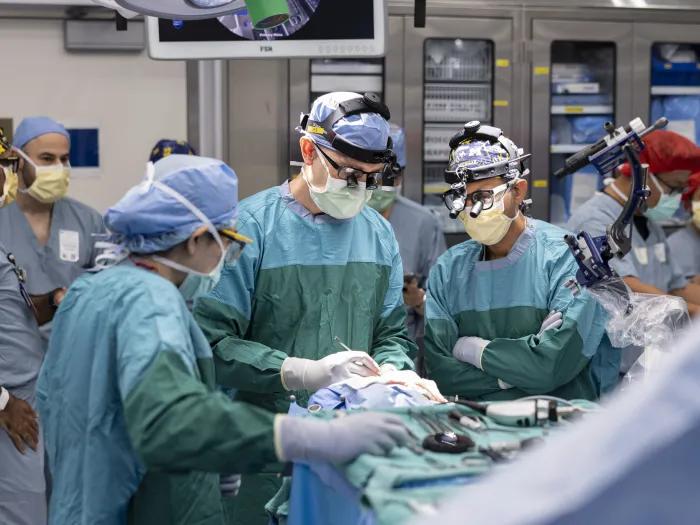
Surgery is used to remove most nonfunctioning tumors. Patients with Cushing’s disease or acromegaly are also typically surgical candidates. Surgery may also be used when drug therapy is not an option. Ninety-five percent of surgeries are performed transnasally, meaning they are done through the nose with the surgeon utilizing both an endoscope and microscope. The remaining 5 percent of surgeries are performed intracranially, meaning they are done through an opening in the skull. Our pituitary neurosurgeons are highly trained and experienced in both procedures, and are leaders in the field of pituitary tumor surgery.
Both procedures are done under general anesthetic and require an overnight hospital stay. Risks are very low but include infection, leakage of spinal fluid and bleeding. The majority of patients recover well and can resume normal activities in two to three weeks. No matter the type of pituitary tumor you have, the specialists at the Pituitary and Neuroendocrine Center offer advanced expertise in both diagnosis and treatment of these tumors.
Drug therapy
Some tumors, such as prolactinomas, typically respond well to drug therapy. As a rule, these medications need to be taken for life to prevent tumor regrowth. Medications may also be used as part of a treatment along with surgery, or in cases where surgery does not completely cure the patient. Hormone replacement therapy may also be given to patients who are experiencing impaired pituitary function. At U-M Health, we are at the forefront of research in the development of new medications to treat pituitary tumors. Through our clinical trials, patients may have access to treatments not available elsewhere.
Radiation therapy
Although once commonly used to treat pituitary tumor patients, radiation therapy is being used less frequently today. If a tumor does not progress or recur, most patients will not need radiation therapy. Our findings have shown that only a small number of patients will require post-surgery radiation. Those include patients with tumors that recur or cannot be controlled through surgery, and the majority of those with craniopharyngiomas.
Locations
-
Neurosurgery Clinic | Taubman Center 1500 E Medical Center Dr
Floor 2 Reception G
Ann Arbor, MI 48109-5338Get Directions
Doctors
David Bernard Altshuler, MD
Clinical Assistant Professor
Neurological Surgery
Farah Daneshvar, DO
Clinical Assistant Professor
Endocrinology, Internal Medicine
John Thomas Fortunato, MD
Clinical Assistant Professor
Neurology

Amarbir Singh Gill, MD
Clinical Assistant Professor
Otolaryngology
Todd Charles Hollon, MD
Associate Professor
Neurological Surgery

Shafaq Khairi, MBBS
Clinical Assistant Professor
Endocrinology, Internal Medicine

Erin Lynn McKean, MD
Clinical Professor
Otolaryngology, Facial Plastic Surgery
Jessa Elaine Miller, MD
Clinical Assistant Professor
Otolaryngology
Providers

Stephanie Catherine Roath, PA-C
Physician Assistant
Physician Assistant
News & Stories

A pediatric epilepsy fundraiser that changes lives
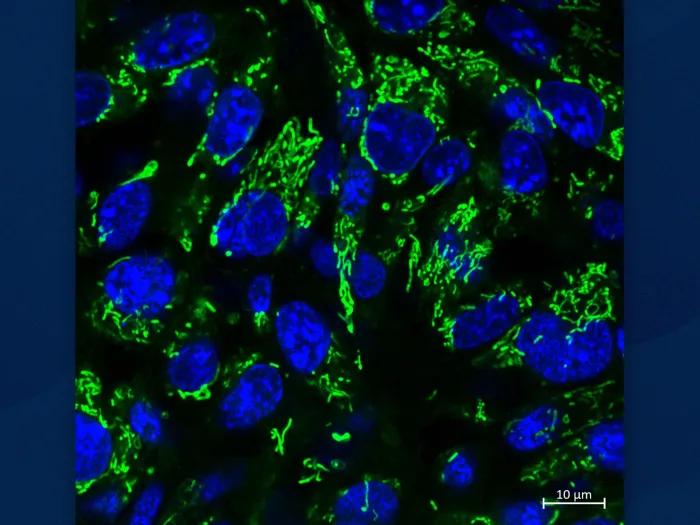
Engineered nanoparticles sensitize gliomas to radiotherapy

A concussion expert and football father discusses why he values teamwork over zero-risk

Trial focuses on duration of therapeutic hypothermia for out-of-hospital cardiac arrests

E-bikes are faster than ever. Are families prepared for the risks?