Neuromuscular Disorders Program
Neuromuscular Disorders Program
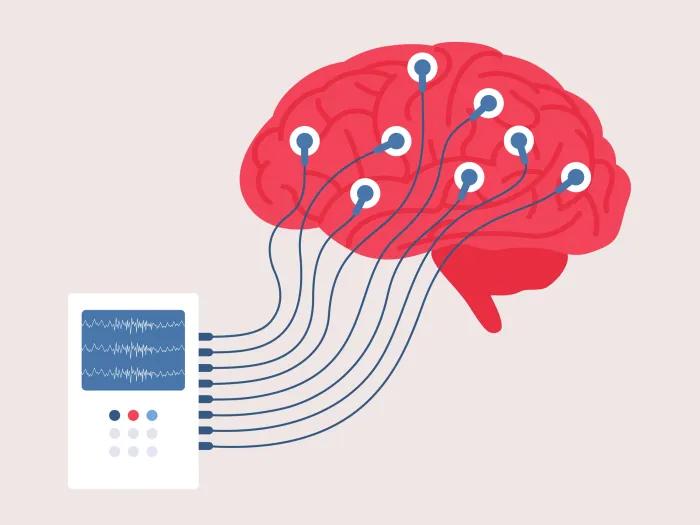
Neuromuscular disorders include a wide range of diseases affecting the peripheral nervous system, which consists of all the motor and sensory nerves that connect the brain and spinal cord to the rest of the body. Progressive muscle weakness is the predominant condition of these disorders. At the U-M Health Neuromuscular Program, we have expertise in evaluating and comprehensively treating neuromuscular disorders.
Our Approach
We are an academic, tertiary care center with a dedicated program and specialists, allowing us to be on the cutting edge of new information and treatment options. Many of these disorders are treatable if the treatment is initiated early and appropriately.
In fact, further disability can be stopped and potentially reversed. Finding out the exact nature of the disorder will also allow you to understand all the implications of your disease and, if it’s hereditary, what it might mean for your family and offspring.
- Amyotrophic lateral sclerosis (ALS/Lou Gehrig’s Disease) and other motor neuron diseases
- Toxic neuropathy
- Small fiber neuropathy
- Autonomic neuropathies
- Muscular disorders, hereditary:
- Congenital myopathies
- Muscular dystrophy
- Metabolic myopathies
- Muscular disorders, acquired:
- Inclusion body myositis
- Dermatomyositis
- Polymyositis
- Necrotizing myopathy
- Neuromuscular junction disorders:
- Myasthenia gravis
- Lambert-Eaton Syndrome
Services
Testing:
- Electroneuromyography (ENMG)
- Repetitive stimulation studies
- Autonomic nerve testing
- Single fiber EMG
- Muscle biopsy
- Skin biopsy
Treatment
Treatment varies widely, depending on your diagnosis and other factors. Some treatment options include medical therapy, including immunosuppressive drugs, pain management and assistive devices. We also offer apheresis, which filters out antibodies in the blood associated with neuromuscular disease that causes weakness and other problems. This can allow us to get ahead of some diseases and treat them more effectively.
We are one of only a few centers in the country to provide this service.
We collaborate with a number of disciplines to best treat each patient, including rheumatology, physical medicine and rehabilitation, endocrinology, podiatry, infectious disease and neurosurgery. We are an ALS Association Certified Center – one of only two in the state –providing comprehensive care to patients with all forms of motor neuron disease, including amyotrophic lateral sclerosis (ALS). New patient referrals are first seen in the Neuromuscular Disorders Clinic prior to continuing their care in the Motor Neuron Disease Center.
Appointment Information
Schedule an appointment by calling us at 734-936-9020.
Locations
-
Neurology Clinic | Northville Health Center 39901 Traditions Dr
Floor 2
Northville, MI 48168-9493Get Directions -
Neurology Clinic | Taubman Center 1500 E Medical Center Dr
Floor 1 Reception C
Ann Arbor, MI 48109-5322Get Directions
Doctors
Benjamin Becker, MD
Clinical Assistant Professor
Neurology, Neuromuscular Medicine
Brian Christopher Callaghan, MD
Professor
Neurology, Electrodiagnostic Medicine, Clinical Neurophysiology
Melissa Anne Elafros, MD, PhD
Assistant Professor
Neurology
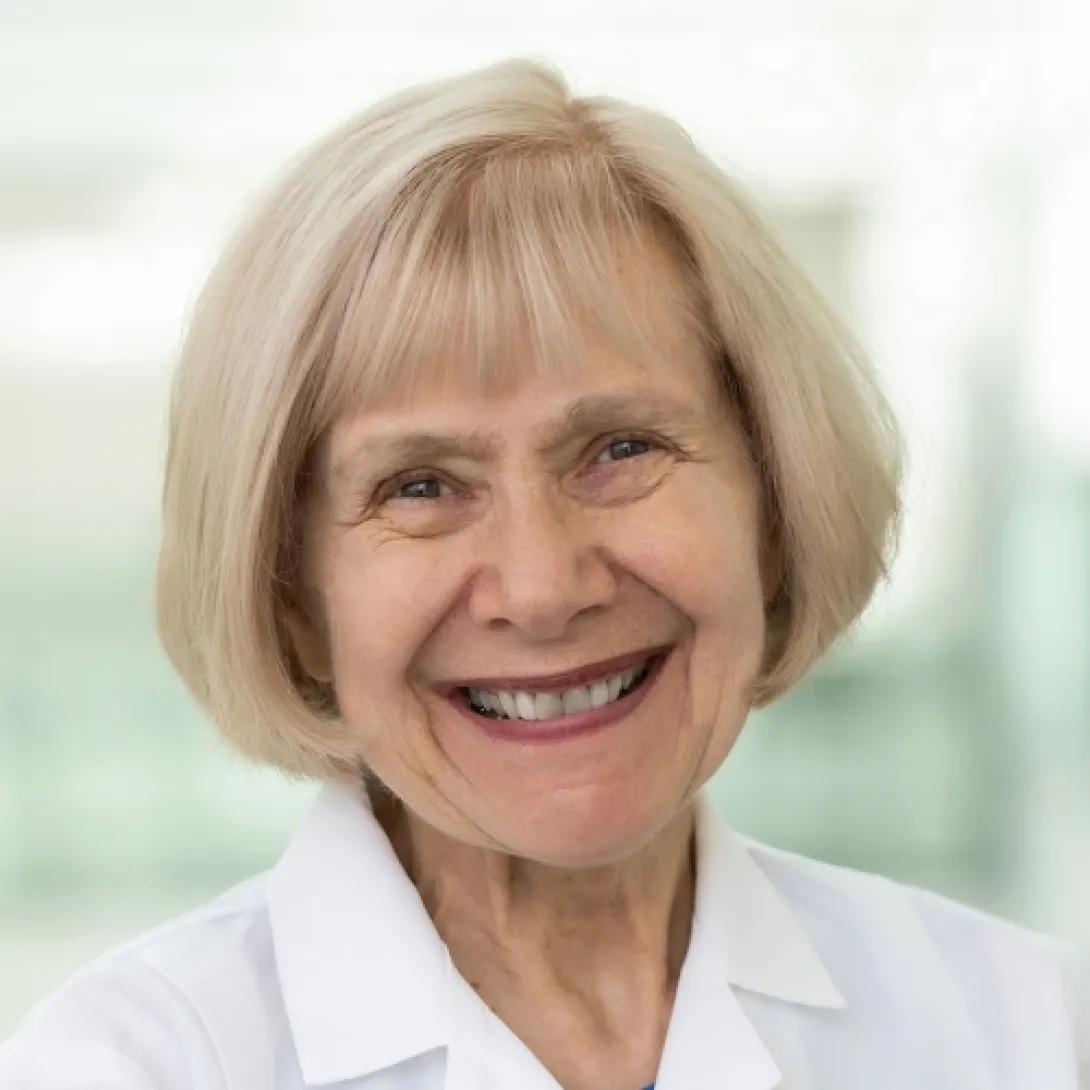
Eva Lucille Feldman, MD, PhD
Professor
Neurology, Electrodiagnostic Medicine
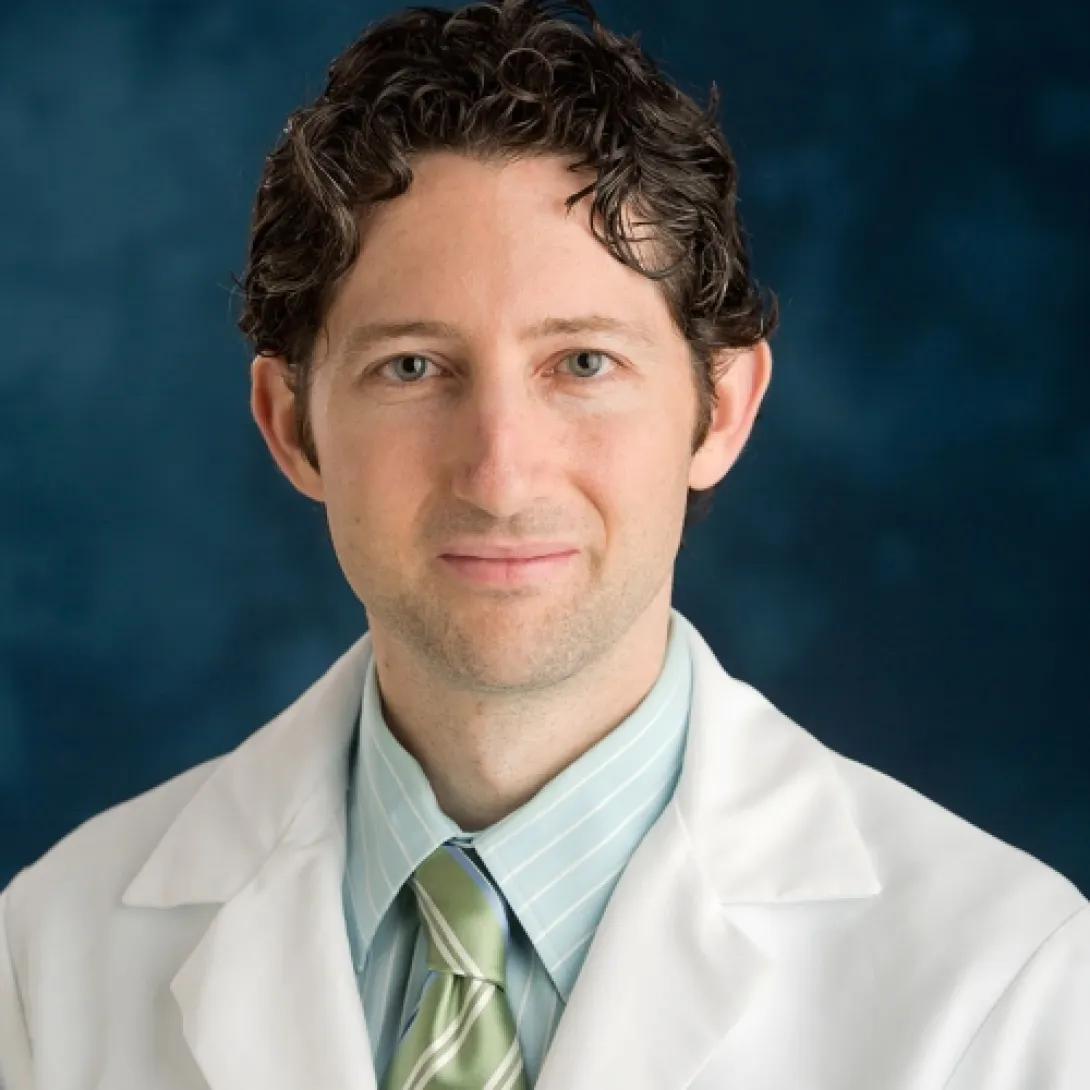
Gary W Gallagher, MD
Clinical Associate Professor
Neurology, Electrodiagnostic Medicine, Neuromuscular Medicine
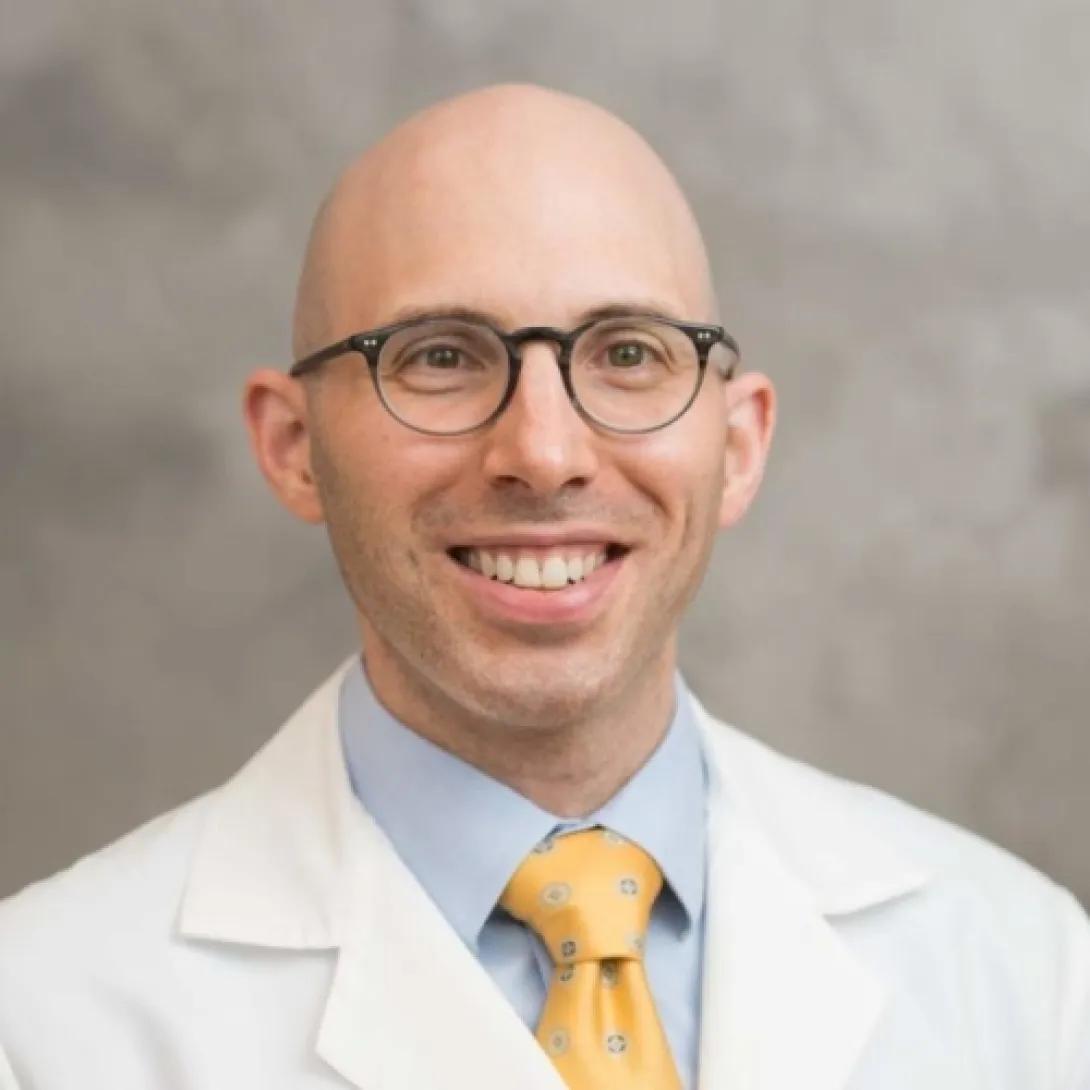
Stephen Aaron Goutman, MD
Professor
Neurology, Electrodiagnostic Medicine, Neuromuscular Medicine
Ann A Little, MD
Clinical Associate Professor
Neurology, Electrodiagnostic Medicine, Clinical Neurophysiology
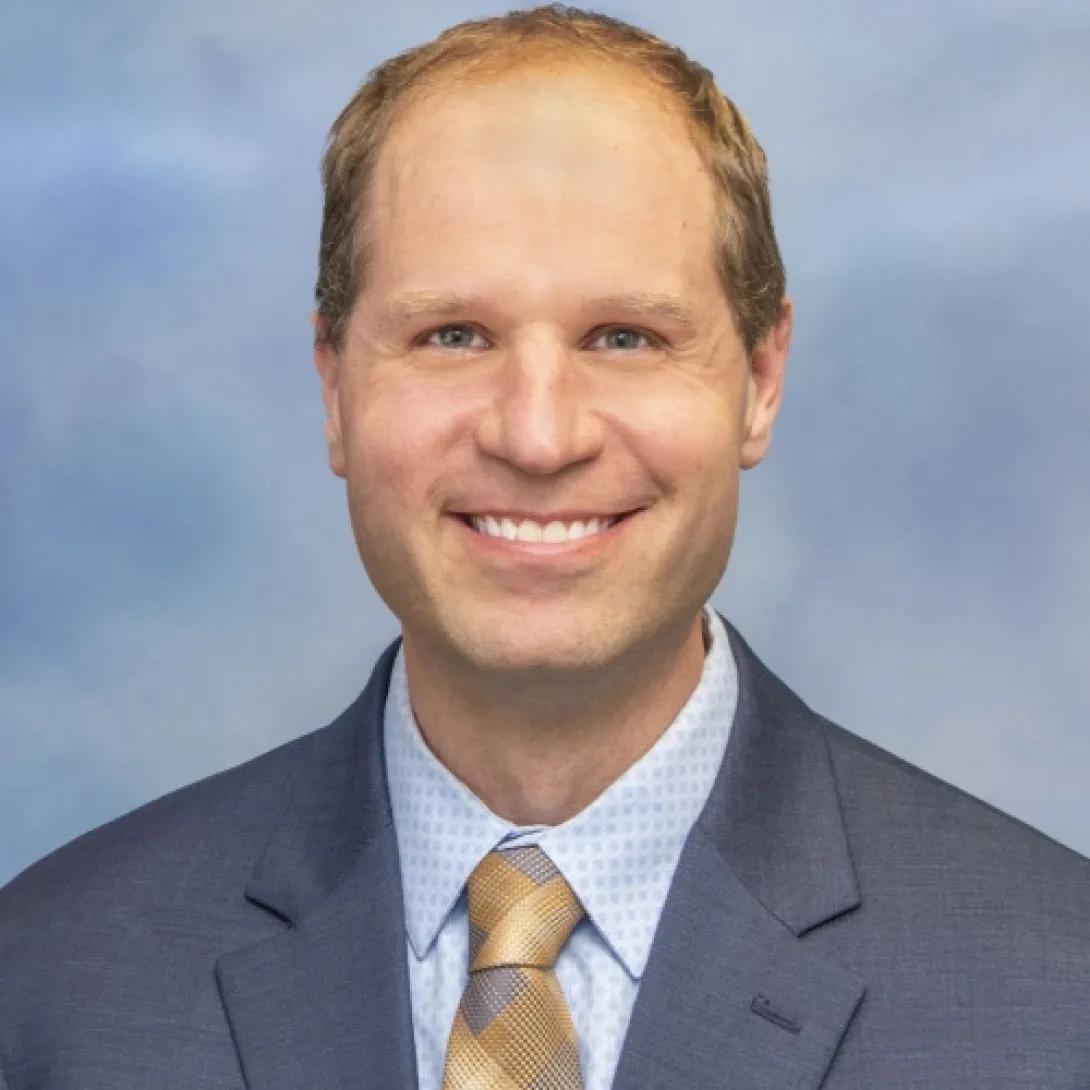
Zachary Nathaniel London, MD
Clinical Professor
Neurology, Electrodiagnostic Medicine, Neuromuscular Medicine
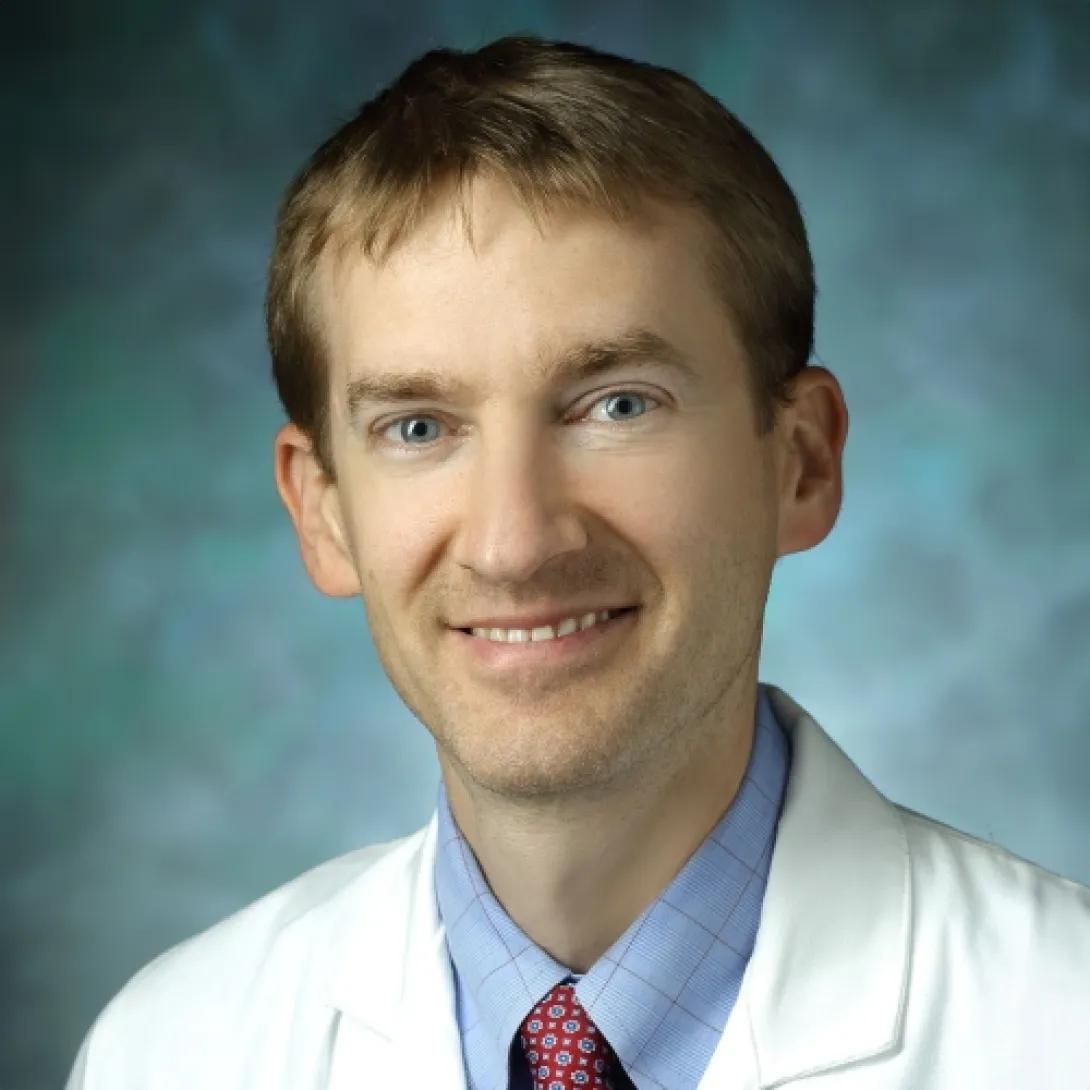
Brett McCray, MD, PhD
Associate Professor
Neurology
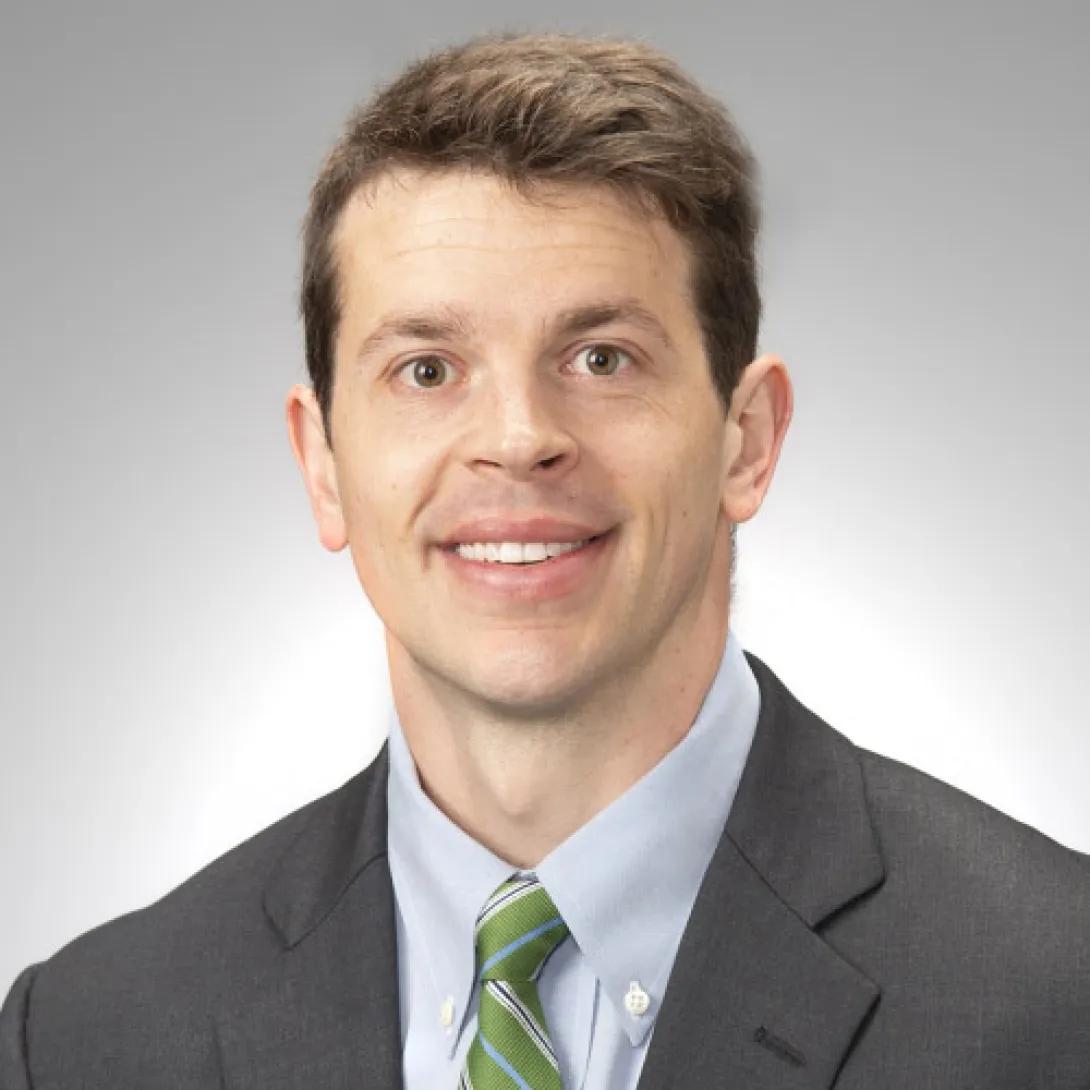
Brendan L McNeish, MD
Assistant Professor
Physical Medicine & Rehabilitation
News & Stories
A pediatric epilepsy fundraiser that changes lives
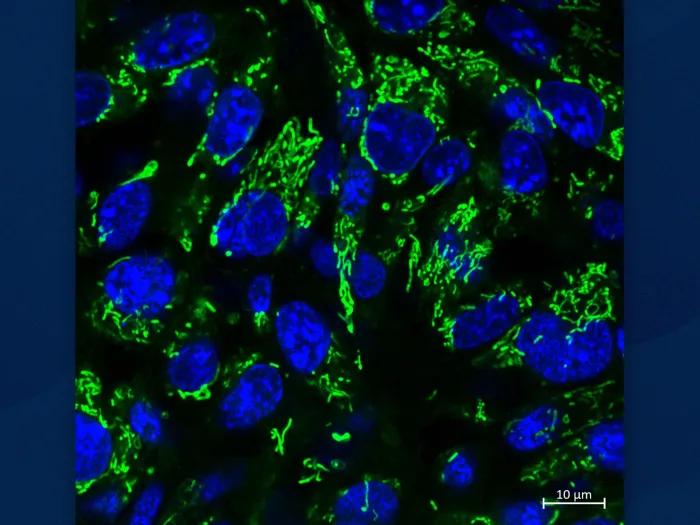
Engineered nanoparticles sensitize gliomas to radiotherapy
Trial focuses on duration of therapeutic hypothermia for out-of-hospital cardiac arrests

E-bikes are faster than ever. Are families prepared for the risks?
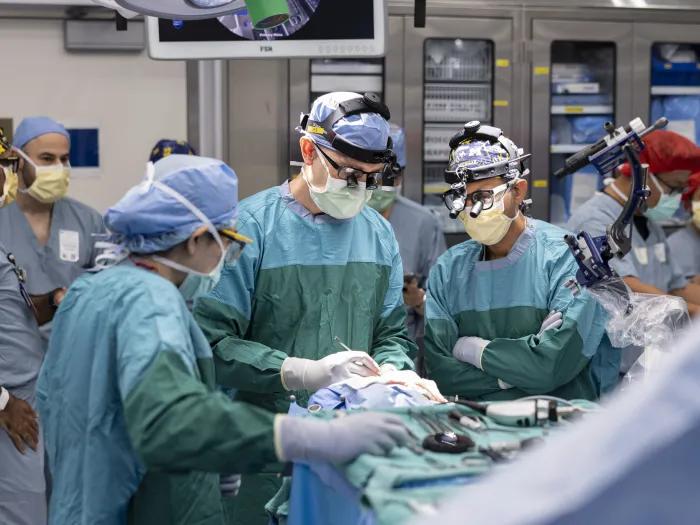
University of Michigan implants first-in-human Paradromics wireless brain-computer interface, designed to restore communication