Functional Neurologic Disorder/Functional Movement Disorder
Functional Neurologic Disorder/Functional Movement Disorder
What is Functional Neurologic Disorder?
Functional Neurologic Disorder (FND) is a term used to define a group of conditions that cause symptoms related to the nervous system but are not associated with another neurological disease or other disorder. FND involves how an individual’s brain functions, rather than damage to the brain's structure (such as from a stroke, epilepsy, infection or injury). It can be described as “a malfunction of an undamaged brain.”
FND affects approximately 12 out of 100,000 individuals. Symptoms are wide ranging but most commonly include weakness, convulsions, abnormal movements, speech difficulties or changes in sensation. For some patients, symptoms are intermittent, while others experience persistent symptoms.
While there are several subtypes of functional neurological disorders, one of the most common is Functional Movement Disorder, in which a patient experiences involuntary movements or body positions. These abnormal movements may mimic conditions such as tremor, parkinsonism (slowed movements), dystonia (abnormal twisting or posturing) or difficulty with balance or walking.
Though the exact cause of FND is unknown, research has identified changes in the areas of the brain that govern an individual’s personal sense of agency, or, in other words, an individual’s sense of control over their actions or behaviors. This may be why functional symptoms appear in some instances after a stressful event or in those with a history of emotional or physical trauma. However, many individuals with FND never experience such stressors.
Our Approach
Our team specializes in treating patients who’ve been diagnosed with one of the most common subtypes of FND, Functional Movement Disorder (FMD). We use an experienced, multidisciplinary team of physical therapists, occupational therapists and speech-language pathologists to develop an individualized treatment plan based on a comprehensive assessment of each individual. Because the cause of FMD is often multifactorial, so is the treatment, which is tailored to the patient’s particular needs or circumstances.
Appointment Information
To qualify for the program, an individual must be diagnosed and referred by a University of Michigan Health neurologist, have relatively persistent functional movement symptoms, have a basic understanding and acceptance of the condition and be committed to treatment.
To schedule an appointment with a neurologist, call the Neurology Clinic at 734-936-9020.
How is Functional Neurologic Disorder diagnosed?
A diagnosis of FMD often comes during an evaluation by a neurologist where clues from a patient’s history and very specific, positive findings on an examination are taken into account. While some patients may have testing such as an MRI or CT scan, these are not always necessary and usually normal in those with FMD.
Once a correct diagnosis is made, symptoms can be reduced, and in some cases reversed, with an experienced team providing targeted physical and psychological therapy approaches.
How is Functional Neurologic Disorder treated?
The initial visit focuses on a comprehensive patient evaluation. Specific goals for movement recovery are created with the patient, followed by design of a treatment protocol using a variety of exercises and therapies to improve motor reprogramming. Patients and their families are educated on the “tools” to support maximum recovery.
The program incorporates a multidisciplinary treatment approach with therapies scheduled five days a week for a two-week period or two half-days per week over a four-week period. During these visits, patients are assisted in relearning normal movement patterns and are taught effective strategies to retrain the mind and body. For the majority of our patients, symptoms of FMD can be overcome. Trust, collaboration, and communication with our experienced team are critical to improving a patient’s function and quality of life.
Types of Treatments
- Physical therapy or occupational therapy: A physical or occupational therapist may work with the patient to improve movement symptoms and prevent complications.
- Speech-language pathology: If a patient experiences problems with speech, swallowing or cognitive communication skills, a speech-language pathologist is available to help work toward improvements in these areas.
- Stress reduction/distraction techniques: Stress reduction techniques include muscle relaxation, mindful breathing, guided visualization, meditation, and physical activity. Distraction techniques — such as music, conversations or a change in a patient’s movement — can help relieve symptoms.
While functional movement symptoms are not "all in your head," an individual’s emotions and way of thinking can impact symptoms and recovery. For some patients, locally coordinated therapies might include:
- Cognitive behavioral therapy: This treatment is provided by a therapist or counselor. The goal is to retrain the brain so abnormal influences can be ignored or redirected.
- Therapy for other mental health conditions: Anxiety, depression or other mental health disorders can worsen symptoms of FMD and negatively impact a patient’s ability to recover.
Locations
-
Geriatric Neurology Clinic | East Ann Arbor Health & Geriatrics Center 4260 Plymouth Rd
Level 1
Ann Arbor, MI 48109-2700Get Directions -
Neurology Clinic | Brighton Center for Specialty Care 7500 Challis Rd
Entrance 1, Level 2
Brighton, MI 48116-9416Get Directions -
Neurology Clinic | Northville Health Center 39901 Traditions Dr
Floor 2
Northville, MI 48168-9493Get Directions -
Neurology Clinic | Taubman Center 1500 E Medical Center Dr
Floor 1 Reception C
Ann Arbor, MI 48109-5322Get Directions -
Neurosurgery Clinic | Taubman Center 1500 E Medical Center Dr
Floor 2 Reception G
Ann Arbor, MI 48109-5338Get Directions
Doctors
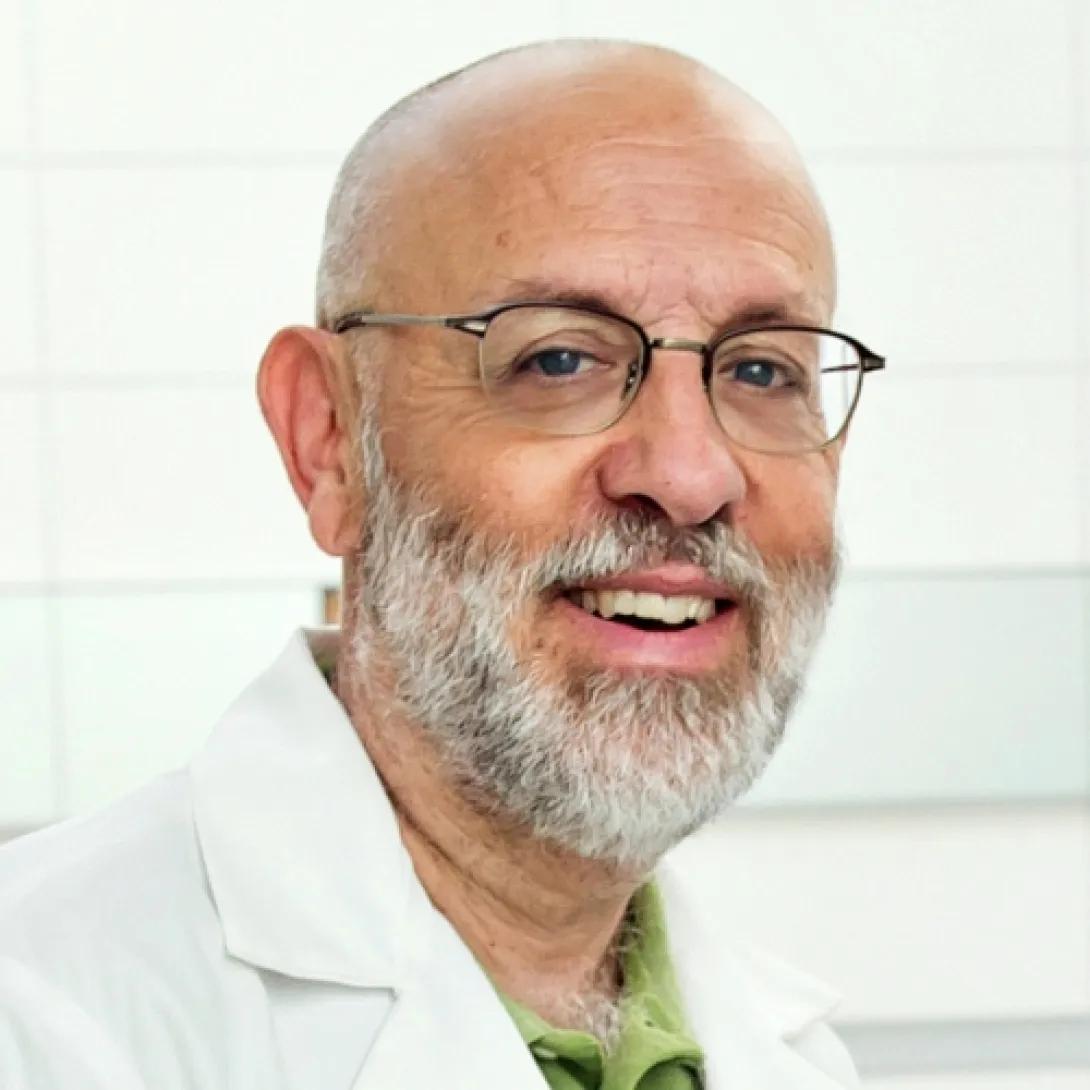
Roger L Albin, MD
Professor
Neurology
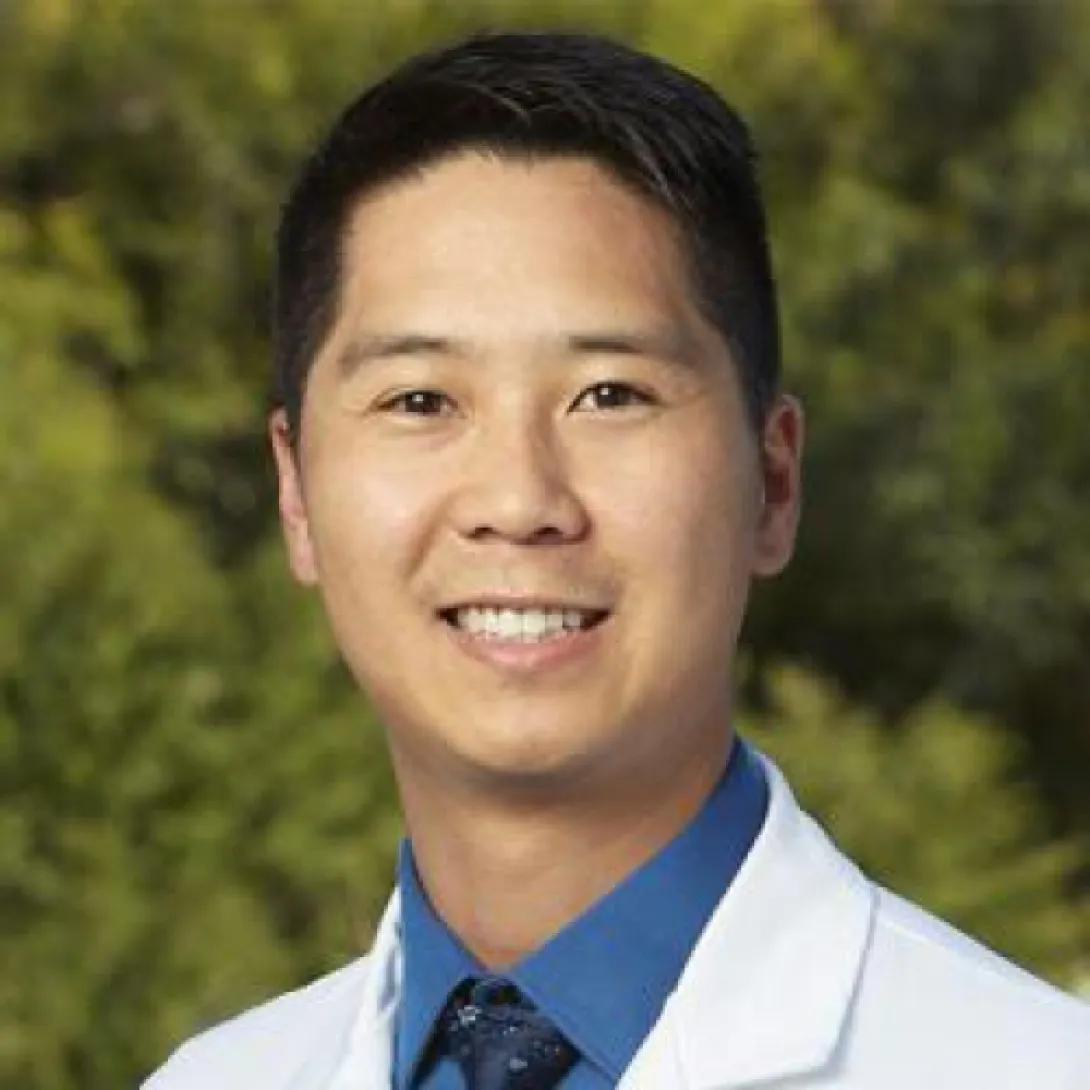
Kevin Showen Chen, MD
Assistant Professor
Neurological Surgery

Kelvin Lin-Yu Chou, MD
Clinical Professor
Neurology
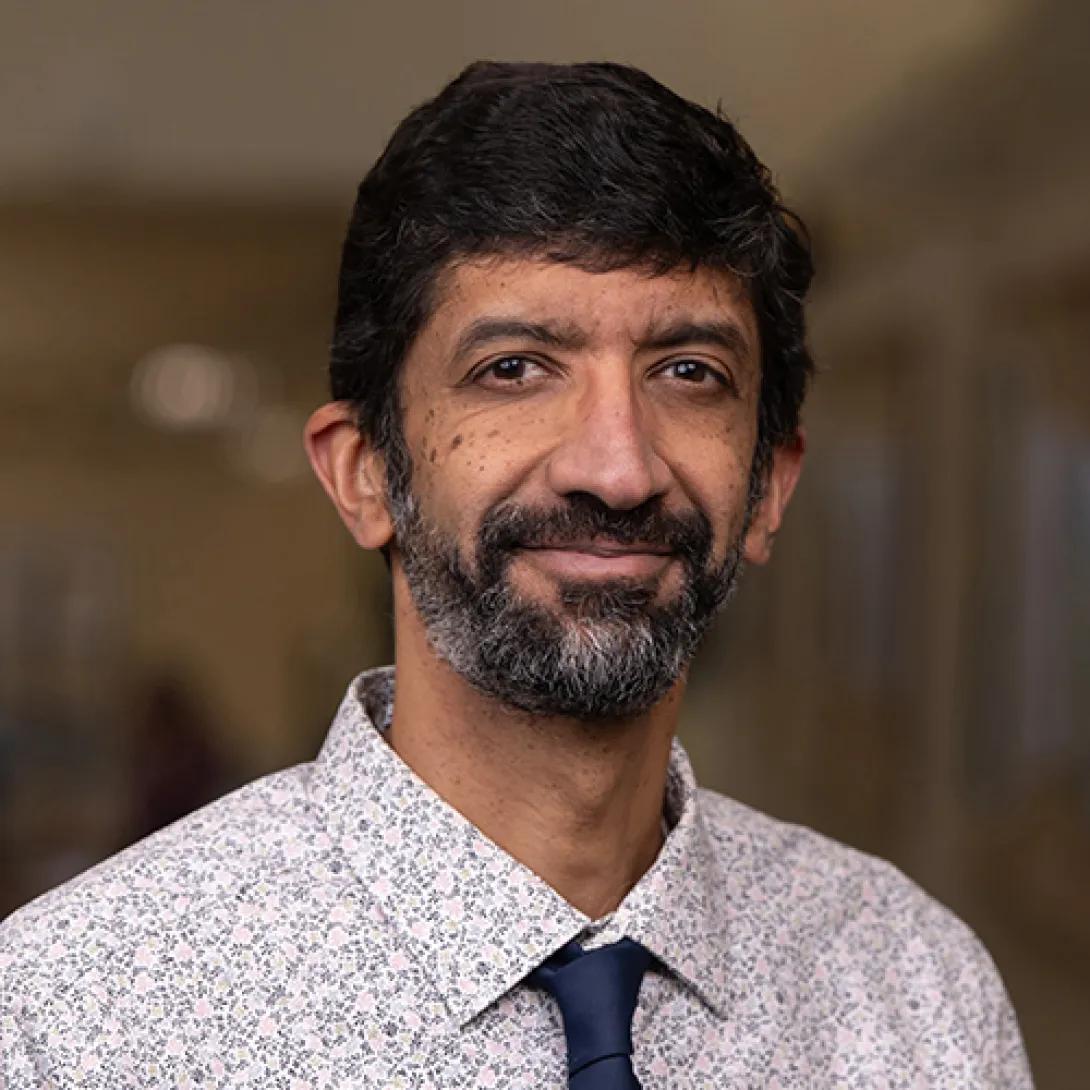
Praveen Dayalu, MD
Clinical Professor
Neurology
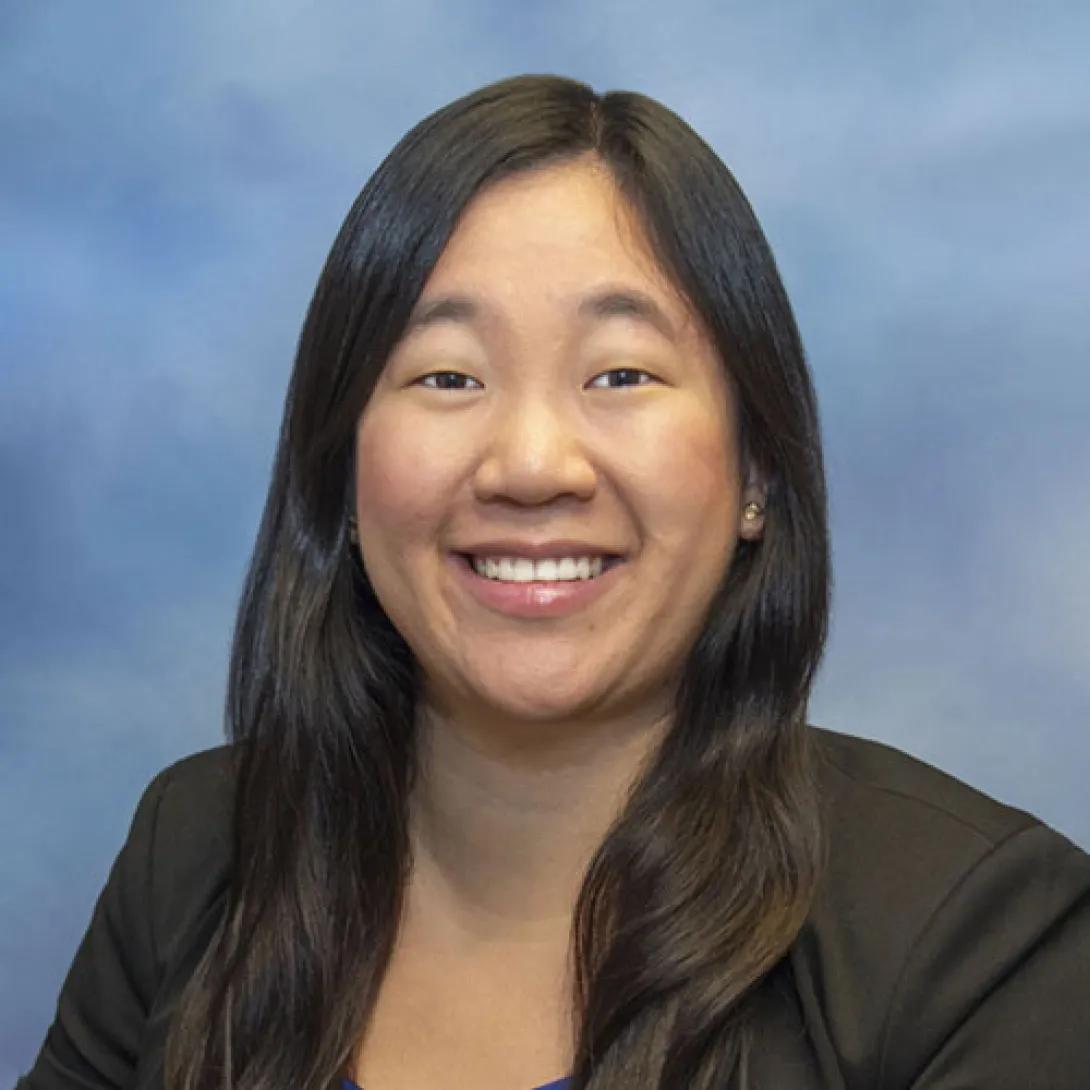
Amy Ferng, MD
Clinical Assistant Professor
Neurology
Amelia Louise Heston, MD
Clinical Instructor
Neurology

Matthew Thomas Lorincz, MD, PHD
Clinical Professor
Neurology
Oren Sagher, MD
Professor
Neurological Surgery
Christopher Chauncey Spears, MD
Clinical Associate Professor
Neurology
Sharan Ram Srinivasan, MD
Assistant Professor
Neurology
News & Stories

A pediatric epilepsy fundraiser that changes lives
Engineered nanoparticles sensitize gliomas to radiotherapy
First person-centered measure of dementia caregiving styles improves partner, patient outcomes

7 things every family caregiver should know – but many don’t

Trial focuses on duration of therapeutic hypothermia for out-of-hospital cardiac arrests