Brain Aneurysm
Brain Aneurysm
What is a brain aneurysm?
An aneurysm is a weak spot in a blood vessel in the brain. Aneurysms are most common in 35- to 65-year-olds. They occur at the base of the brain and are usually caused by a defect in an artery that was present since birth. Smoking, high blood pressure and other genetic factors can increase the risk of an aneurysm rupturing. A subarachnoid hemorrhage occurs when the aneurysm ruptures, leading to bleeding on the brain’s surface and into the subarachnoid space. These hemorrhages often happen without warning and can be life threatening.
Because blood supply to part of the brain is reduced or completely blocked, there is also a risk of stroke when an aneurysm ruptures. Before rupturing, aneurysms usually produce no symptoms or warning signs. Once an aneurysm ruptures you can experience “the worst headache ever.” You may fall unconscious quickly or remain unconscious. The majority of patients who come to us have already had their aneurysms burst. However, with more sophisticated technology, we are seeing an increasing number of patients whose aneurysms have not ruptured.
Our Approach
Experience, outcomes, and quality of life are all things that people suffering from a brain aneurysm need to consider when looking for treatment options. As one of only a few places in the country that offers expertise in both surgical and endovascular (minimally invasive) treatment options, U-M Health is leading the way in cutting edge techniques to treat aneurysm. U-M Health is the only hospital in Michigan with two neurosurgeons dually-trained in neuroendovascular surgery and open cerebrovascular surgery. Our team also includes two radiologists uniquely trained in interventional neuroradiology and endovascular neurosurgery.
This team approach means our patients receive the most optimal type of treatment by some of the most experienced physicians in the field. Our Cerebrovascular Program treats approximately 300 aneurysm patients each year. We see the most aneurysm cases in the state and are one of five top referral centers in the nation for treating aneurysms. In our specially designed NeuroInterventional Radiology suite – a first of its kind in the nation – we have the capability to both detect and repair aneurysms all in the same room. With a team of neuroradiologists, neurosurgeons and other specialists working closely together, we are able to bring hope to patients who could not have been treated previously.
Appointment Information
To schedule an appointment, call:
- Neurosurgery Clinic at 866-909-4449
- NeuroInterventional Radiology Clinic at 734-936-4500
Learn about the Pediatric Cerebrovascular Program
How is a brain aneurysm diagnosed?
A CT scan of the brain is typically the first step in diagnosing an aneurysm or subarachnoid hemorrhage. If only a small amount of blood has leaked, the test may come back negative. In this case, a spinal tap may be done to see how much blood has mixed with the cerebrospinal fluid. If we diagnose an aneurysm, a cerebral angiogram is performed to better understand the aneurysm. During this procedure, dye is injected into your bloodstream and x-rays are taken, which will give our team information on how to best treat your condition. When an abnormality is detected through the imaging study our team of interventional radiologists and neurosurgeons discuss the patient case as a team. We examine clinical issues and plans for treatment together which ensures our patients receive the optimal treatment for their particular situation.
How is a brain aneurysm treated?
The goals of treatment once an aneurysm has ruptured are to prevent further bleeding and potential permanent brain damage. Treatment and monitoring during the three weeks immediately following the hemorrhage are important, since that is the period when complications are most likely to occur. Medication and sedatives may be prescribed and total bed rest is necessary. If an aneurysm hasn’t ruptured, treatment will typically center on preventing an initial rupture using either endovascular techniques or open surgery.
Traditionally, brain aneurysms were treated with open brain surgery. Today, as many as 60 percent of brain aneurysm patients who come to U-M Health receive minimally invasive treatments through our Endovascular program. These treatments may include using endovascular coils or stents. Endovascular therapy is a minimally invasive procedure in which a catheter is placed into the body thru a small hole in the patient’s leg and navigated under real time x-ray guidance through the vascular system to the head and into the aneurysm.
Coiling and Stenting: Endovascular coils are put in place to block blood flow into the aneurysm and reduce the chance of rupture or re-rupture. Most patients require 4 to 6 coils to block blood flow. If the base of the aneurysm is wide, a stent or balloon may need to be placed to keep the coils confined within the aneurysm. Using a stent also reduces the risk of a stroke. As one of a few places in the region to offer a new type of stent – Pipeline – we are able to treat re-rupture aneurysms that have been treated with coils in the past or larger aneurysms to help alleviate the blocked blood flow and return it to a more normal flow. Initial outcomes for patients with this treatment option have shown that within 3 to 6 months the aneurysm is no longer present.
For the majority, minimally-invasive surgery is the first line of treatment. If your aneurysm cannot be repaired with these procedures, open surgery may be necessary. Surgical clipping is a procedure where the surgeon removes a section of the skull – a procedure called a craniotomy – and places a metal clip across the base of the aneurysm. The section of the skull is put back in its original place then closed. Once an aneurysm is fixed, you will be closely monitored and re-checked to ensure you recover well and the aneurysm doesn’t return. At U-M Health we are proud of a 90-95% success rate in treating aneurysms through minimally-invasive and open surgery.
Research
At U-M Health we are on the cutting edge of research into aneurysms and related disorders, and are currently studying how to make better coils, evaluating how different coils work and how aneurysms heal with them. We are dedicated to bringing the latest in research, diagnosis and treatment to aneurysm and subarachnoid hemorrhage patients.
Locations
-
Neurointerventional Radiology Clinic | Taubman Center 1500 E Medical Center Dr
Floor 2 Reception G
Ann Arbor, MI 48109-5338Get Directions -
Neurosurgery Clinic | Taubman Center 1500 E Medical Center Dr
Floor 2 Reception G
Ann Arbor, MI 48109-5338Get Directions
Doctors

Neeraj Chaudhary, MBBS
Professor
Diagnostic Radiology, Neuroradiology

Sravanthi Koduri, MD
Assistant Professor
Neurological Surgery

Aditya Swarup Pandey, MD
Professor
Neurological Surgery

Byron Gregory Thompson, MD
Professor
Neurological Surgery
Zachary Marcus Wilseck, MD
Clinical Assistant Professor
Vascular & Interventional Radiology, Diagnostic Radiology, Interventional Radiology & Diagnostic Radiology, Neuroradiology
News & Stories

A pediatric epilepsy fundraiser that changes lives
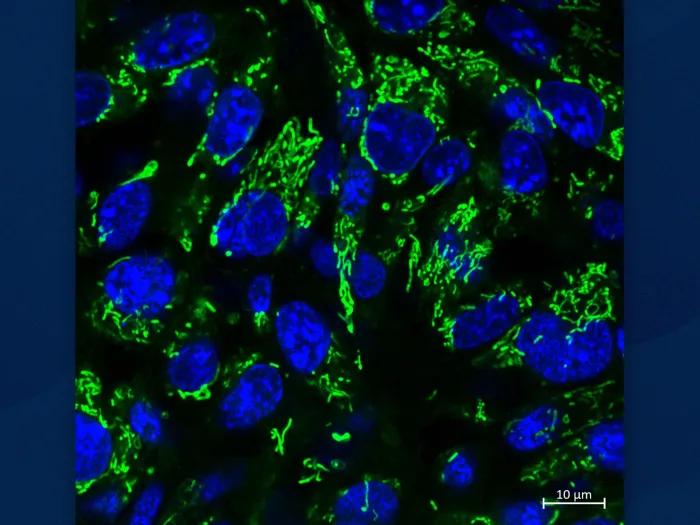
Engineered nanoparticles sensitize gliomas to radiotherapy

First person-centered measure of dementia caregiving styles improves partner, patient outcomes

7 things every family caregiver should know – but many don’t
Research may help better predict outcomes in kids with congenital cytomegalovirus