Spinal Stenosis
Spinal Stenosis
What is spinal stenosis?
Spinal stenosis is a chronic degenerative condition in which the spaces within the spine narrow, putting pressure on the nerves that travel through the spine. As the discs lose water content and shrink, spurs often form and osteoarthritis develops. The ligaments can also thicken, resulting in a narrowing of the spinal canal where the nerves travel.
The condition typically occurs in the lower back (lumbar stenosis) and the neck (cervical stenosis). It progresses with age and usually affects individuals over the age of 50. Treatment for spinal stenosis is based on symptoms and is aimed at reducing inflammation in the area where the spinal cord or nerve roots are constricted. In severe cases, doctors may recommend surgery to create additional space for the spinal cord or nerves.
For more information about spinal stenosis, watch “My Aching Back! The Aging Spine and Spinal Stenosis,” presented by orthopaedic surgeons Rakesh Patel, MD and Illyas Aleem, MD.
Our Approach
When you come to the U-M Health Comprehensive Spine Program for spinal stenosis, you’ll be evaluated by our multidisciplinary team of specialists who will work with you to determine a personalized treatment plan. Our goal is to offer the most advanced and least invasive treatment to help improve your quality of life.
Appointment Information
For musculoskeletal-based back and spine conditions, call:
- Anesthesia Pain Management at 734-615-7246
- Physical Medicine & Rehabilitation at 734-936-7175
- Orthopaedic Surgery at 734-936-5780
- Neurosurgery at 734-936-7010
Comprehensive Spine Program
At the Comprehensive Spine Program, a nationally acclaimed team of back and spine care experts collaborates to deliver the most effective treatments, tailored to each patient, whether surgical or non-surgical.
What are the symptoms of spinal stenosis?
Symptoms associated with lumbar or cervical stenosis often start gradually and worsen over time. Symptoms vary depending on the location of the stenosis and the affected nerves.
Symptoms of cervical spinal stenosis include:
- Numbness, tingling or weakness in the neck, shoulders, arm, hand, or leg
- Problems with walking, balance/coordination, and fine motor tasks
- Neck pain
- In severe cases, bowel and bladder control problems may occur
Symptoms of lumbar spinal stenosis include:
- Numbness, tingling, or weakness in the leg and foot
- Pain or cramping in one or both legs when standing for long periods of time or when walking
- Back pain
- In severe cases, loss of bowel or bladder control
How is spinal stenosis diagnosed?
Our collaborative team begins by conducting a complete medical history and physical exam, followed by advanced testing that may include:
- Imaging such as X-rays, CT scancs, or MRI of the affected area
- An EMG to asses the electrical activity of the nerves and muscles
After your diagnostic tests are completed, our specialists will talk with you about your treatment options.
How is spinal stenosis treated?
There are both surgical and non-surgical treatment options for spinal stenosis.
Non-surgical treatment
- Physical therapy for strengthening the muscles
- Stationery bike exercises – many patients with spinal stenosis can ride a stationary bike without pain
- Pain management, including anti-inflammatory and pain medications, muscle relaxers, and steroid injections
- Traditional medicine combined with holistic therapies such as yoga, healing touch, and acupuncture
Surgical treatment
- Laminectomy: Removal of fragments of bone and soft tissue, which are pushing on the nerves. This involves a 1-3 day hospital stay and may involve bracing. Typical recovery is 6-8 weeks.
- Laminectomy and fusion: For more severe cases, these two procedures may be combined. A fusion is a procedure that reduces the movement in the damaged spine segment by permanently connecting two or more vertebrae using screws and rods to stabilize the spine. A bone graft is also typically performed using additional bone to fill in gaps between the vertebrae and stimulate the healing process.
- Laminoplasty: For cervical spinal stenosis, this procedure involves placement of spinal spacers to open the spinal canal.
- Disc replacement: For cervical spinal stenosis, this procedure involves removing a damaged or degenerated cervical disc and replacing it with an artificial disc.
Patient Resources
- General Spine Surgery – Pre-operative education video for all spinal procedures
- Lumbar Laminectomy – Pre-operative educational video for a lumbar laminectomy
- Cervical Fusion – Pre-operative educational video for anterior and posterior cervical fusion
- Patient Education Booklet: Spine Surgery Pre-operative Patient Education
Locations
-
Back & Pain Center | Burlington Building 325 E Eisenhower Pkwy
Floor 1
Ann Arbor, MI 48108-3364Get Directions -
Back & Pain Center | Canton Health Center 1051 N Canton Center Rd
Floor 1
Canton, MI 48187-5097Get Directions -
Back & Pain Center | Dexter Health Center 7300 Dexter Ann Arbor Rd Ste 110
Floor 1
Dexter, MI 48130-8598Get Directions -
Neurosurgery Clinic | Burlington Building 325 E Eisenhower Pkwy Ste 100
Floor 2 Reception G
Ann Arbor, MI 48108-3364Get Directions -
Orthopaedic Surgery Clinic | Northville Health Center 39901 Traditions Dr
Floor 1
Northville, MI 48168-9493Get Directions -
Orthopaedic Surgery Clinic | Taubman Center 1500 E Medical Center Dr
Floor 2 Reception B
Ann Arbor, MI 48109-5328Get Directions -
Spine Clinic | Chelsea Health Center 14700 E Old US Highway 12
Chelsea, MI 48118-1185Get Directions -
Spine Procedure Clinic | Burlington Building 325 E Eisenhower Pkwy Ste 100
Ann Arbor, MI 48108-3364Get Directions
Doctors

Ilyas Syed Aleem, MD
Clinical Associate Professor
Orthopedic Surgery

Rita N Ayyangar, MD
Clinical Professor
Pediatric Rehabilitation Medicine, Hospice & Palliative Medicine, Pediatrics, Physical Medicine & Rehabilitation
Rishi Rai Bakshi, DO
Clinical Associate Professor
Pain Medicine, Physical Medicine & Rehabilitation
Chad Michael Brummett, MD
Professor
Interventional Pain Medicine, Pain Medicine, Anesthesiology
Srinivas Chiravuri, MD
Clinical Associate Professor
Interventional Pain Medicine, Pain Medicine, Anesthesiology
Miles O Colwell, MD
Associate Professor Emeritus
Physical Medicine & Rehabilitation
Anita S W Craig, DO
Clinical Assistant Professor
Physical Medicine & Rehabilitation, Electrodiagnostic Medicine
Goodarz Micheal Golmirzaie, MD
Clinical Associate Professor
Interventional Pain Medicine, Pain Medicine, Anesthesiology
Anne Griffith Hartigan, MD
Clinical Assistant Professor
Physical Medicine & Rehabilitation, Electrodiagnostic Medicine
Paul Edward Hilliard, MD
Clinical Professor
Interventional Pain Medicine, Pain Medicine, Anesthesiology
Providers
Kathryn Elaine Matulich, NP
Advanced Practice Nurse
Nurse Practitioner
Maria Elise Powers, PA-C
Physician Assistant
Physician Assistant
News & Stories

A concussion expert and football father discusses why he values teamwork over zero-risk
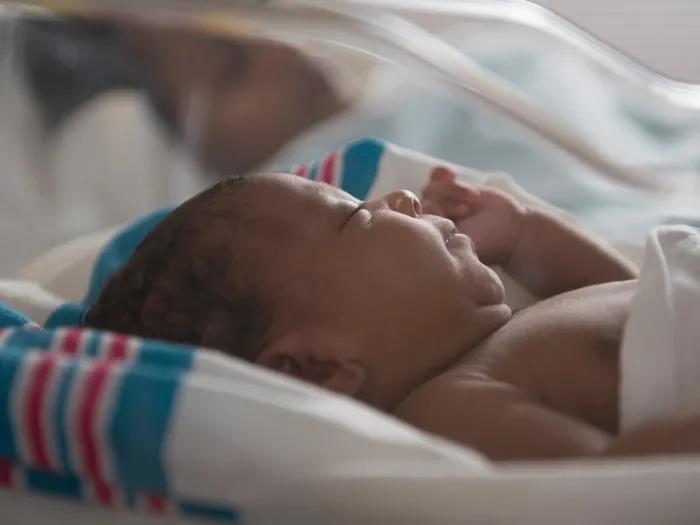
Half of newborns with severe spina bifida have trouble breathing during sleep
How a complex, 14-hour surgery saved a woman’s ‘hopeless’ spine
An AI model that can read and diagnose a brain MRI in seconds
Finally hope after 9 surgeries for tethered cord syndrome