Timothy Louis Frankel, MD
To request an appointment call
Manage Your Profile
About
Dr. Timothy L. Frankel is a faculty member within the Section of General Surgery at the University of Michigan. He graduated Magna Cum Laude from Connecticut College in 2000 with a B.A. in Physics and was elected into Phi Beta Kappa. He earned his medical degree from George Washington University in 2004 and was inducted into the Alpha Omega Alpha Honor Medical Society. He completed a residency in General Surgery at the University of Michigan in 2011 during which time he spent two years at the National Cancer Institute studying tumor immunology and genetic engineering. He developed techniques to genetically modify peripheral blood lymphocytes allowing them to more effectively target tumors for destruction. His work resulted in multiple publications and awards including the James Crudup Surgical Research Award. After completion of residency, he completed a two-year surgical oncology fellowship at Memorial Sloan-Kettering Cancer Center in New York.
Clinical Specialization:
His clinical interests are in the treatment of gastrointestinal malignancies including cancers of the liver, pancreas and stomach. He has published multiple clinical papers on techniques in liver resection for colorectal metastases.
Areas of Practice
Gastrointestinal Malignancies
Locations
-
University Hospital 1500 E Medical Center Drive
Ann Arbor, MI 48109Get Directions
Insurance Accepted
University of Michigan Health participates with most health insurance plans.
Education & Training
Medical School or Training
Residency
Fellowships
Board Certifications
Research Overview
Dr. Frankel's laboratory interests include characterizing and manipulating the immunosuppressive cellular network of the pancreas cancer microenvironment. Specifically, he is exploring the role of tumor derived microvesicles in the expansion of myeloid derived suppressor cells and tumor associate macrophages.
Links
Featured News & Stories
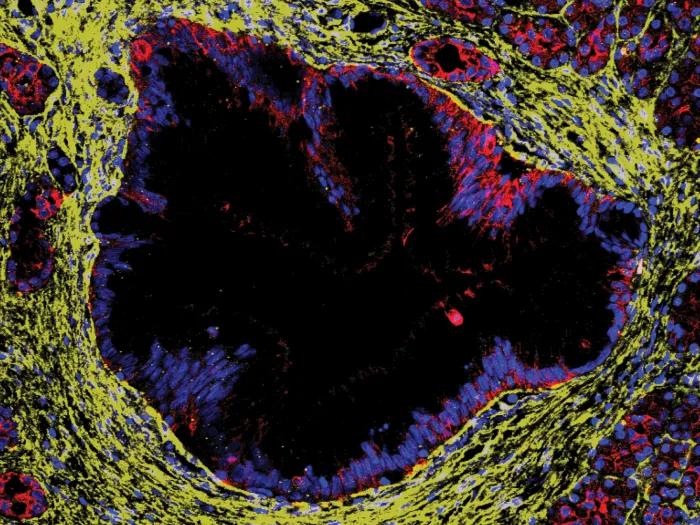
Study sheds light on how early pancreas lesions become cancerous
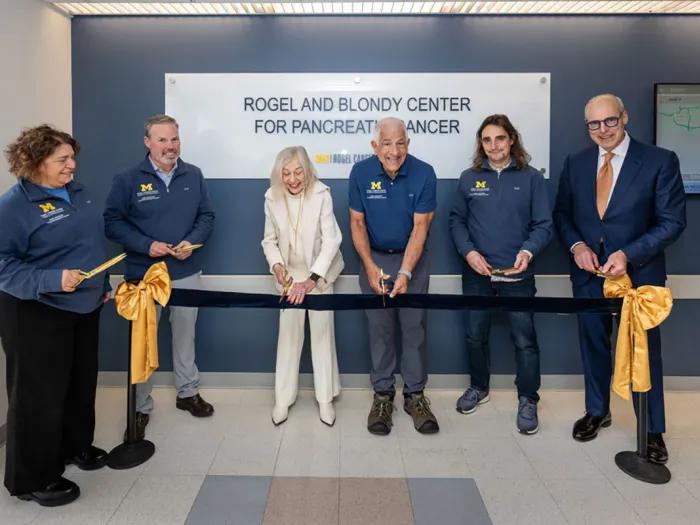
Ribbon-cutting for new pancreatic cancer program
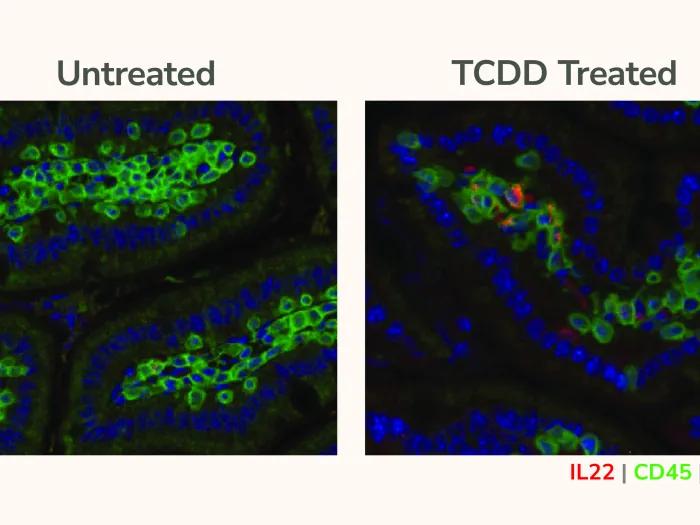
Study shows how smoking drives pancreatic cancer