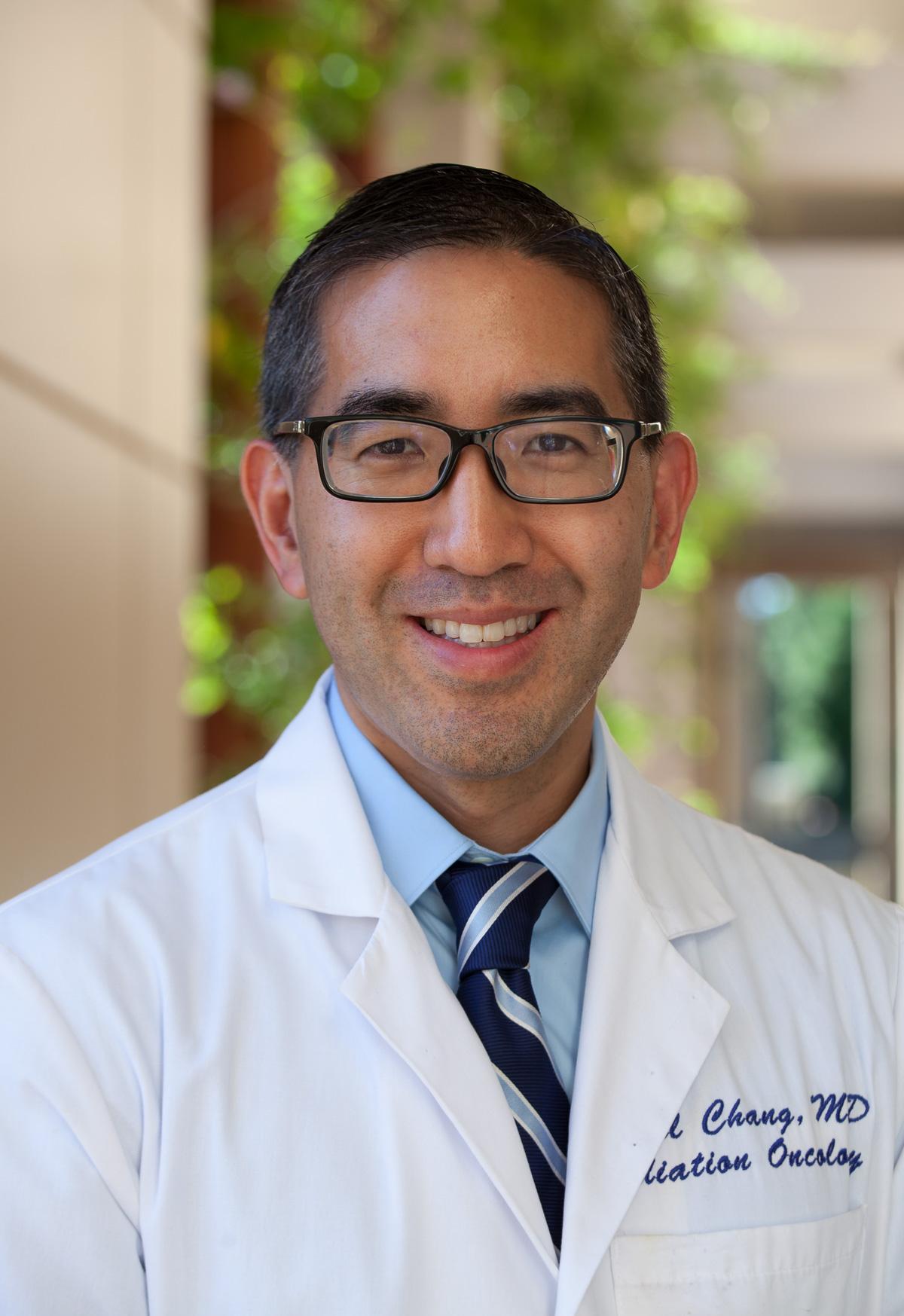
Hospital, doctor shopping isn’t easy for patients looking to compare prices of health care services
Researchers highlight ways to improve health care price transparency.
For 164 years, the U-M Medical School has led the nation in innovative ways of training new physicians. Now, the school will take those efforts to a new level, after being awarded a $1.1 million grant from the American Medical Association in a national competition aimed at accelerating change in medical education.
U-M Health System research identifies new drug target that may prevent one of the most dreaded consequences of an ACL tear.
A young scientist who seeks to understand the basis of human disease by combining DNA analysis and sophisticated computer-based techniques has won a prestigious national award that will accelerate his team’s work.
Researchers at the University of Michigan Comprehensive Cancer Center looked at 169 cancer clinical practice guidelines and found that none of the guidelines fully met standards set in 2011 by the Institute of Medicine.
Moms who don’t understand their newborn's health issues after delivery may fail to recognize ‘red-flag’ warning signs of serious illness once home.
Cancer of the esophagus is beginning to level off in the United States, but one type of esophageal cancer remains a serious threat to African American men, especially if they drink and smoke.
U-M research paves way for alternatives to morphine, may help lower risks of prescription drug abuse and side effects of painkillers.
A new, $1.7-million grant will allow researchers from U-M and Johns Hopkins to develop a dementia treatment tool for family caregivers.
Two physician-scientists whose research transformed chronic myeloid leukemia (CML) from a routinely fatal to a manageable condition will share the 2013 Taubman Prize for Excellence in Translational Medical Science, given by U-M's A. Alfred Taubman Medical Research Institute.
The U-M begins recruitment for the nation's first long-term study of diabetes drug combinations, which work best, have the fewest side effects and benefit overall health.
Crowd funding is all the rage these days. But could it work for medical research? A U-M team will try to find out, with prize money from a national competition that will help them create an online platform that will let anyone suggest - and contribute to - ideas for new medical studies.
Black patients are more likely to have surgery performed at low-quality hospitals even though they frequently live closer to better facilities than white patients.
Leaders from the Big Ten universities’ cancer centers will kick-off the Big Ten Cancer Research Consortium on June 1. They are uniting to transform cancer research through collaborative oncology trials that leverage the scientific and clinical expertise of the Big Ten universities.
Old parents may be good for your health
Across the country, patients use marijuana in hopes that it will ease the symptoms of many conditions. But there isn't much research on medical marijuana. Now, U-M researchers have received funding to study the issue.
Are certain drugs more effective against some types of prostate cancers than others? A new clinical trial is testing whether targeting treatments to a genetic anomaly can lead to better treatments for advanced prostate cancer.
A study from the June issue of Anesthesiology found feedback from the front region of the brain is a crucial building block for consciousness and that its disruption is associated with unconsciousness when the anesthetics ketamine, propofol or sevoflurane are administered.
Children with obstructive sleep apnea who had a common surgery to remove their tonsils and adenoids showed notable improvements in behavior, quality of life and other symptoms compared to those treated with “watchful waiting” and supportive care, according to a new study.
Measuring hospitals’ cardiac arrest survival rates may be a first step towards reducing cardiac arrest deaths
AGA presents Chung Owyang, M.D., with its highest honor for lifelong achievement, Grace H. Elta, M.D., is distinguished clinician
Study sheds light on blood clot risks tied to certain catheters.
University of Michigan stroke specialists examine new approach to saving lives and reducing disability in the African American community.
Every cell in our bodies runs on a 24-hour clock, tuned to the night-day, light-dark cycles that have ruled us since the dawn of humanity. But new U-M led research shows that the clock may be broken in the brains of people with depression -- even at the level of the gene activity inside their brain cells.
Can decision aids help patients and doctors determine the right time and method for cancer screening?
Study explores what happens when people who are obese are given an ultimatum by their health insurer: Exercise or pay more for health insurance.
Anyone who has seen a young relative cope with a new diagnosis of type 1 diabetes – or an adult relative handle the daily demands of the lifelong illness – knows what a toll it can take. Now, it’s even easier than ever for relatives of type 1 diabetes patients to help U-M researchers in the search for ways to prevent or delay the disease.
Depression, being widowed and living alone increase risk of serious hospital-acquired infection.
A new Ann Arbor VA Healthcare System and University of Michigan study calls into question the FDA’s warning against high dosages of citalopram after finding no increased risk for abnormal heart rhythms or death in patients who took daily doses of more than 40 milligrams before or after the warning took effect.
America’s emergency, trauma & intensive care teams provide some of the world’s most advanced care, bringing patients back from the brink of death on a regular basis. But they can’t save the lives, limbs or health of all who suffer acute illness and injury. Now, a new U-M center will focus on finding new ways to treat such patients through cross-disciplinary research and entrepreneurial activity.