Transplant Center
The opportunity for a new life occurs every day at the University of Michigan Transplant Center. And since 1964, more than 14,000 patients have benefited from our devotion to the individual.
University of Michigan Health is proud to be the largest and most experienced solid organ transplant center in Michigan. We've performed more than 14,000 transplants, and our specialists work with you using the most advanced tools and treatments. These include imaging, genetic matching, cutting-edge surgical techniques, and world-class post-surgery care. We also offer experimental procedures and research-driven therapies to help more patients get the transplants they need.
In addition to solid organ transplantation, University of Michigan Health offers expertise in:
Bone marrow transplant at the the Rogel Cancer Center
Pediatric blood and marrow transplant at C.S. Mott Children's Hospital
Learn more about our transplant services:
Contact Us
Solid Organ Transplantation
Pediatric Transplantation
As the largest and most experienced transplant center in Michigan, our patient survival rates rank among the world's best. We’re well equipped to perform the full range of pediatric transplantation procedures, including blood and marrow, heart, kidney, and liver transplants.
Information for Organ Donors & Recipients
The U-M Health Transplant Center's comprehensive care team embodies our rich transplant community, made up of a diverse group of dedicated individuals that includes not only our physicians and surgeons, but support team members, volunteers, organ donors and recipients and more.

Am I a Transplant Candidate?
Determining if you are a potential candidate for donor for any organ transplant requires a comprehensive evaluation and also includes financial and insurance considerations. If you think you may need a transplant or you may qualify as a living donor, we want to talk to you.

Becoming an Organ Donor
Most of the human organs that are available for transplantation come from people who arrange for their organs to be donated upon death. But kidneys and livers can be transplanted when the donor is alive.

Transplant Community
Our transplant community includes not only organ donors and recipients and their medical and surgical teams, but volunteers, support team members and financial supporters, all dedicated to helping you live your best life.

Transplant Support Team & Pharmacy
From the the transplant coordinator and medical and surgical teams to social workers and financial counselors, to the clinical research and transplant pharmacy teams, we're here to support you in your transplant journey.
Life-saving Donations
Learn more about Wolverines for Life, the collaborative effort between the U-M community, the Red Cross and other organizations dedicated to saving lives through life-saving donations.
Take the Next Step

Become a Transplant Donor or Recipient
Learn what is needed to become a transplant donor or recipient, including the insurance and financial aspects of transplantation.
Am I a Transplant Candidate? If you think you may need a transplant or you may qualify as a living donor, we want to talk to you. Get started here.
Learn about the financial and insurance aspects of transplantation.
Unlike other organs, kidney and liver transplantation can occur with a live donor. Explore what it is involved in becoming a living organ donor.
Are you a physician looking to refer a patient for transplantation? Visit our Referral Forms for Health Providers page to get started.

Explore Transplantation Resources
Learn more about donated organs, transplant programs and resources, and the U-M Health Transplant support community.
Prepare for transplantation by learning all you can about the risks and safeguards associated with transplantation.
Learn how to download the free transplant education apps available on your mobile device for kidney, liver and lung transplantation.
Explore what is offered through the U-M Transplant Community, including Camp Michitanki, our summer camp for kids who have had an organ transplant.
Michigan Answers
Michigan Answers blend over a century of teaching, research, and patient care with a passion for transforming lives, pushing the limits of what's possible. They inspire confidence, hope, and the pathway to breakthroughs.
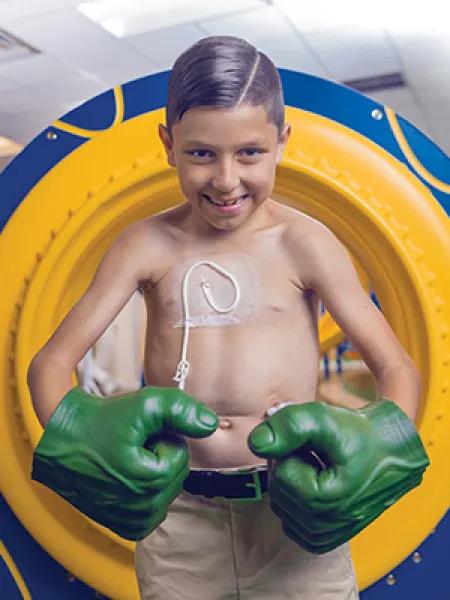
Bentley's Michigan Answer
Bentley's Michigan Answer
As Marguerita Booth had never heard of a child being born with their organs on the outside of their body. And yet as she lay in the darkened room of her first ultrasound of her first pregnancy, she was suddenly introduced to a condition that surprisingly affects 1 in every 3600 babies.

Kade's Michigan Answer
Kade's Michigan Answer
Alone. Scared. Never knowing who to trust or where to turn for help. That’s how Kade Fitzgerald of Jackson, Michigan lived the first 32 years of his life. Assigned female at birth, Kade knew at age 6 that he was meant to be a man.
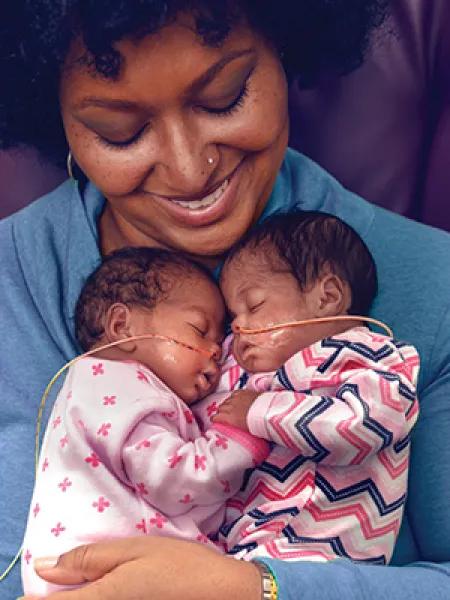
Merriah and Melliah's Michigan Answer
Merriah and Melliah's Michigan Answer
Few moments eclipse the joy of discovering that you’re pregnant with twins. But for 37-year-old Merrick and 37-year-old Mychal, the news that they’d be having fraternal girls with an expected delivery date of Christmas Day 2020 made the news even more exciting.

Carter's Michigan Answer
Carter's Michigan Answer
Carter Hilton celebrated his sixth birthday by doing what he loves most: running around his backyard, dancing with his younger brother, and being chased throughout the house by his mom. It helps that Carter is a naturally exuberant child. It also helps that Michigan Medicine performed the first in-womb spina bifida surgery in Michigan nearly four months before Carter was born.
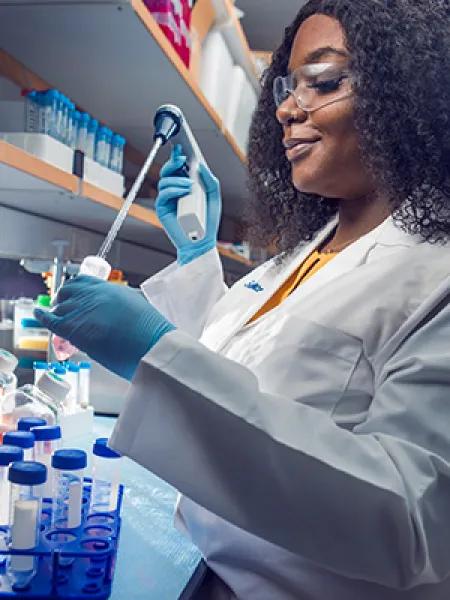
Sierra's Michigan Answer
Sierra's Michigan Answer
Imagine two patients. Both the same age and height. The same gender and race. Both have a similar medical history. Two people, almost identical in every way. So, why does one of them, seemingly at random, develop diabetes?
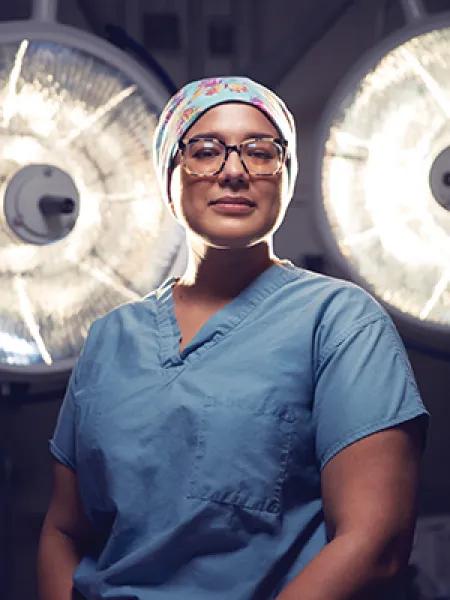
Dr. Valbuena's Michigan Answer
Dr. Valbuena's Michigan Answer
Most aspiring physicians study medicine with the hopes of saving lives, being on the cutting edge of research, or developing the latest therapies and technologies. For Dr. Valeria Valbuena, it was all of the above, plus one additional life-affirming goal.

Dr. Vydiswaran's Michigan Answer
Dr. Vydiswaran's Michigan Answer
What if the true power of social media isn’t found in a like, tweet or follow? For an emerging field of research taking place at Michigan Medicine, it’s the data inside social media that may have the power to give patients bigger answers and better outcomes.
Dr. Cunnane's Michigan Answer
Dr. Cunnane's Michigan Answer
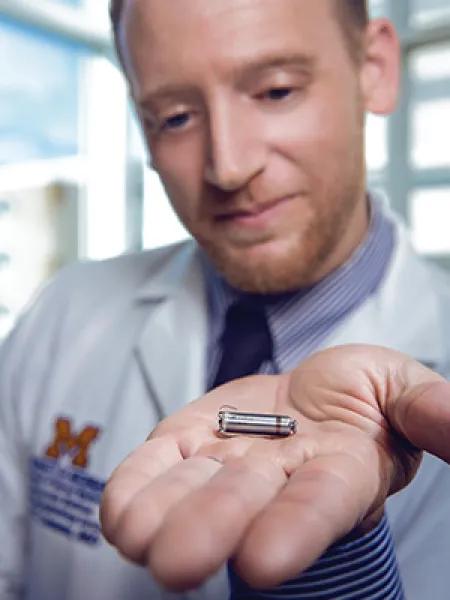
Since 1958, millions of lives have been saved by what could arguably be considered as medicine’s biggest breakthrough – the pacemaker. And while its technology has dramatically improved over the last 63 years, chief concerns regarding the pacemaker have always been that it was too big and bulky and that the wires leading from it would sometimes break. But in February of 2020, Michigan Medicine helped change all of that.
News & Stories

Exceptional response to immunotherapy gives patient with liver cancer more milestones to celebrate
Advancements and trends in lung transplantation

State of Michigan allows tax credit for private employers of living organ donors
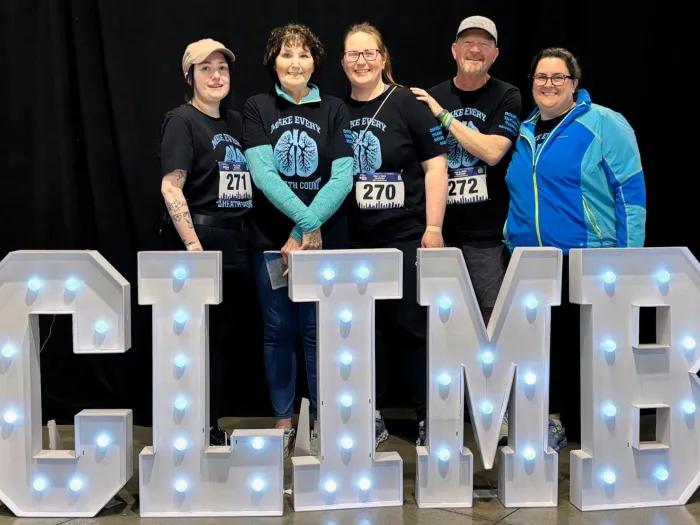
Lung transplant recipient stays active climbing stadium steps and more post-transplant
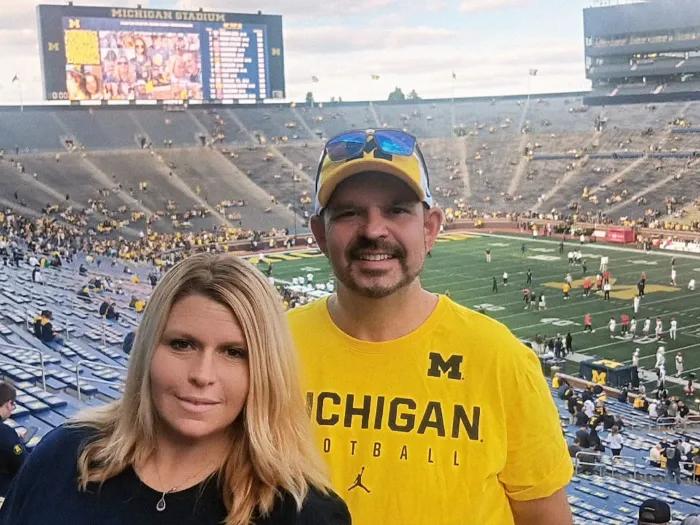
Alcohol-Related Liver Disease clinic gives patient new hope