
Herniated Disc
Herniated Disc
What is a herniated disc?
The bones that form the spine, or vertebrae, are cushioned by small, spongy discs. When these discs are healthy, they act as shock absorbers for the spine and enable the body to bend, twist and move freely. When a disc is damaged it may bulge or break open, which is known as a herniated disc. This condition usually occurs in the lower back, but it can also be present in the neck and thoracic area (mid-back). The bulge can press on nearby nerve roots, causing pain, numbness and weakness in the area of the body where the nerve travels.
A herniated disc can be caused by a traumatic injury, improper lifting of a heavy object or, most often, age-related weakening of the spinal discs (called disc degeneration).
Appointment Information
For musculoskeletal-based back and spine conditions, call:
- Anesthesia Pain Management at 734-615-7246
- Physical Medicine & Rehabilitation at 734-936-7175
- Orthopaedic Surgery at 734-936-5780
- Neurosurgery at 734-936-7010
Comprehensive Spine Program
At the Comprehensive Spine Program, a nationally acclaimed team of back and spine care experts collaborates to deliver the most effective treatments, tailored to each patient, whether surgical or non-surgical.
What are the symptoms of a herniated disc?
Symptoms of a herniated disc depend on the location of the disc and severity of the rupture. While some herniated discs cause no symptoms, many patients experience symptoms such as:
- Severe back, leg or arm pain, depending on whether the impacted nerve is in the lower back or neck.
- Numbness or tingling that radiates in the area of the body served by the affected nerve.
- Weakness in the area of the body served by the affected nerve.
- In severe cases, loss of bowel or bladder control.
How is a herniated disc diagnosed?
Our collaborative team begins by conducting a complete medical history and physical exam to identify the source of your back pain, followed by advanced testing that may include:
- Imaging tools such as X-ray, CT scan or MRI
- Myelogram, a procedure in which dye is injected into the spinal fluid before X-rays are taken to show pressure on the spinal cord or nerves due to multiple herniated discs or other conditions.
- Nerve conduction study, which measures electrical nerve impulses and functioning in the muscles and nerves.
- Electromyography, a test to evaluate the electrical activity of the muscles while contracted and at rest.
After your diagnostic tests are completed, our specialists will talk with you about your treatment options.
How is a herniated disc treated?
- Conservative treatment for a herniated disc often starts with physical therapy. Our PT specialists help you identify positions that decrease your referred pain, and also help you develop a home program to prevent further damage or recurrence.
- Occupational therapy may be prescribed to provide instructions on how to keep your back straight and aligned, particularly when sitting for long periods.
- Pain management for a herniated disc depends on the location and severity of your condition. Our specialists may recommend techniques such as anti-inflammatory and pain medications, muscle relaxers and steroid injections.
- Traditional medicine combined with holistic therapies such as yoga, healing touch and acupuncture.
When symptoms related to a herniated disc don't improve with conservative treatment or if symptoms worsen, surgery may be recommended. Our spine specialists are skilled in the use of minimally invasive techniques that incorporate advanced navigation and robotics procedures, leading to faster recovery, less discomfort and shorter hospitalizations.
Treatment options include:
- Laminectomy: Removal of fragments of bone and soft tissue, which are pushing on the nerves. Depending on certain factors, this may be performed as a minimally invasive procedure or an open procedure.
- Laminectomy and Spinal Fusion: For more severe cases, a laminectomy may be combined with a fusion, a procedure that reduces the movement in the damaged spine segment by permanently connecting two or more vertebrae using screws and rods to stabilize the spine. A bone graft is also typically performed using additional bone to fill in gaps between the vertebrae and stimulate the healing process.
- Discectomy: A minimally invasive procedure to remove the section of the disc that is irritating a nerve and causing pain. Depending on certain factors, this may be performed as a minimally invasive procedure or an open procedure.
Patient Resources
- General Spine Surgery – Pre-operative education video for all spinal procedures
- Lumbar Laminectomy – Pre-operative educational video for a lumbar laminectomy
- Cervical Fusion – Pre-operative educational video for anterior and posterior cervical fusion
- Patient Education Booklet: Spine Surgery Pre-operative Patient Education
Locations
-
Back & Pain Center | Burlington Building 325 E Eisenhower Pkwy
Floor 1
Ann Arbor, MI 48108-3364Get Directions -
Back & Pain Center | Canton Health Center 1051 N Canton Center Rd
Floor 1
Canton, MI 48187-5097Get Directions -
Back & Pain Center | Dexter Health Center 7300 Dexter Ann Arbor Rd Ste 110
Floor 1
Dexter, MI 48130-8598Get Directions -
Neurosurgery Clinic | Burlington Building 325 E Eisenhower Pkwy Ste 100
Floor 2 Reception G
Ann Arbor, MI 48108-3364Get Directions -
Orthopaedic Surgery Clinic | Taubman Center 1500 E Medical Center Dr
Floor 2 Reception B
Ann Arbor, MI 48109-5328Get Directions -
Spine Clinic | Brighton Center for Specialty Care 7500 Challis Rd
Entrance 1, Level 1
Brighton, MI 48116-9416Get Directions -
Spine Clinic | Chelsea Health Center 14700 E Old US Highway 12
Chelsea, MI 48118-1185Get Directions -
Spine Procedure Clinic | Burlington Building 325 E Eisenhower Pkwy Ste 100
Ann Arbor, MI 48108-3364Get Directions
Doctors

Ilyas Syed Aleem, MD
Clinical Associate Professor
Orthopedic Surgery

Rita N Ayyangar, MD
Clinical Professor
Pediatric Rehabilitation Medicine, Hospice & Palliative Medicine, Pediatrics, Physical Medicine & Rehabilitation
Rishi Rai Bakshi, DO
Clinical Associate Professor
Pain Medicine, Physical Medicine & Rehabilitation
Chad Michael Brummett, MD
Professor
Interventional Pain Medicine, Pain Medicine, Anesthesiology
Srinivas Chiravuri, MD
Clinical Associate Professor
Interventional Pain Medicine, Pain Medicine, Anesthesiology

Miles O Colwell, MD
Associate Professor Emeritus
Physical Medicine & Rehabilitation
Anita S W Craig, DO
Clinical Assistant Professor
Physical Medicine & Rehabilitation, Electrodiagnostic Medicine
Goodarz Micheal Golmirzaie, MD
Clinical Associate Professor
Interventional Pain Medicine, Pain Medicine, Anesthesiology
Anne Griffith Hartigan, MD
Clinical Assistant Professor
Physical Medicine & Rehabilitation, Electrodiagnostic Medicine
Paul Edward Hilliard, MD
Clinical Professor
Interventional Pain Medicine, Pain Medicine, Anesthesiology



Providers

Michael Edward Geisser, PhD
Professor
Clinical Psychology
Kathryn Elaine Matulich, NP
Advanced Practice Nurse
Nurse Practitioner
Maria Elise Powers, PA-C
Physician Assistant
Physician Assistant
News & Stories
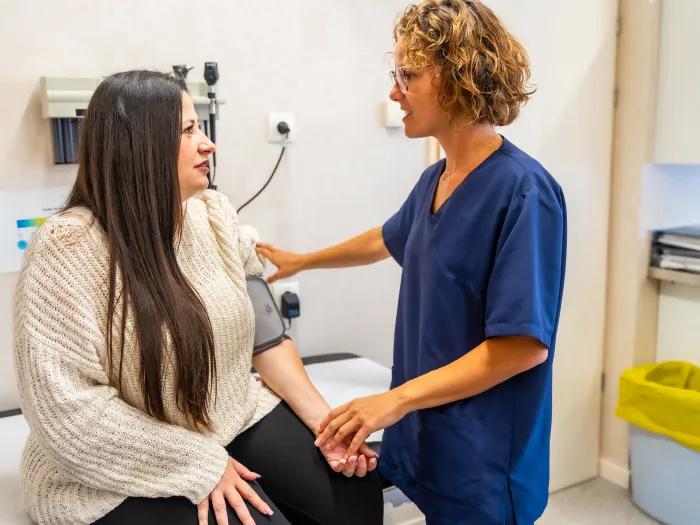
To reduce chronic pain, a new digital program could help
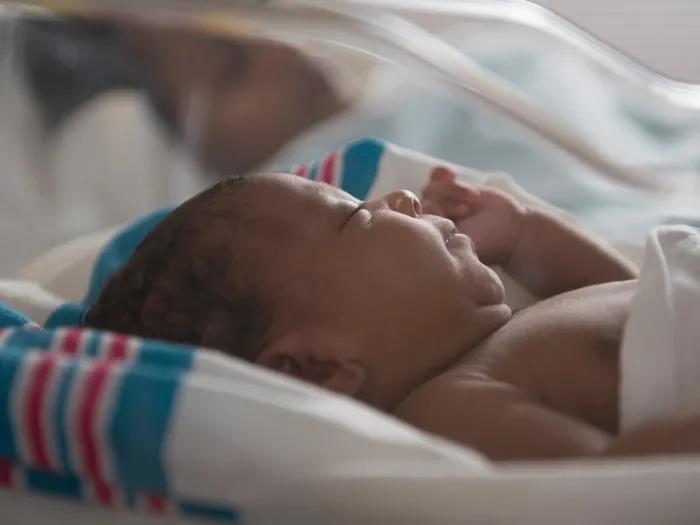
Half of newborns with severe spina bifida have trouble breathing during sleep
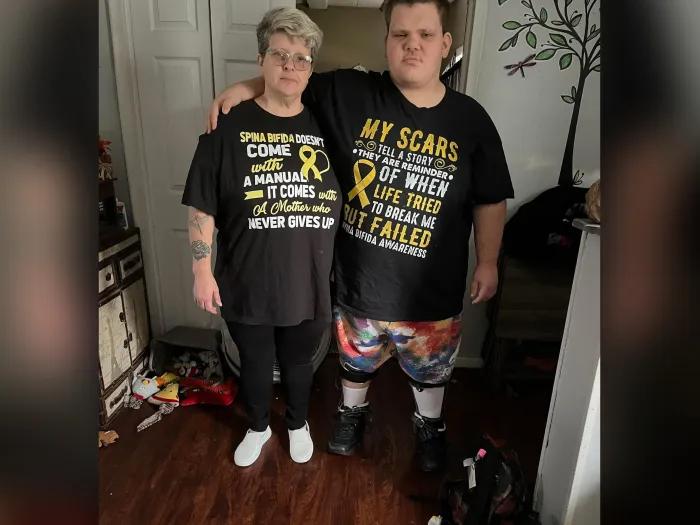
Finally hope after 9 surgeries for tethered cord syndrome

U-M to launch $16.5M NIH-funded project to advance personalized treatment for chronic lower back pain
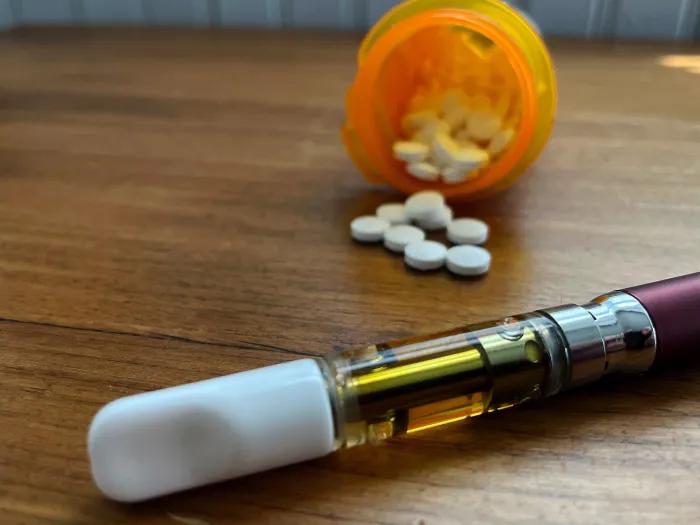
Primary care physicians are hesitant to accept chronic pain patients using opioids or cannabis

