Pre-implantation Genetic Diagnosis
Pre-implantation Genetic Diagnosis
What is pre-implantation genetic diagnosis?
At the University of Michigan Health Center for Reproductive Medicine, we offer a cutting-edge procedure called pre-implantation genetic diagnosis to identify genetic disorders in embryos, and then implant the unaffected embryos using in vitro fertilization. Because of our strong medical genetics program, our center is well situated to offer Pre-implantation genetic diagnosis services to our patients in a timely and efficient manner.
How are inherited genetic disorders diagnosed?
Pre-implantation genetic diagnosis is performed when one or both genetic parents have a known genetic abnormality. Testing is performed on an embryo to determine if it also carries the genetic abnormality. This allows us to detect genetic diseases before pregnancy.
What are the types of inherited genetic disorders?
This procedure is used to look for DNA-testable disorders with significant morbidities in which quality of life is dramatically affected, including:
- Cystic fibrosis
- Beta-thalassemia
- Sickle cell disease
- Spinal muscular atrophy
- Myotonic dystrophy
- Huntington’s disease
- Charcot-Marie-Tooth disease
- Fragile x syndrome
- Hemophilia A
- Duchenne muscular dystrophy
Our Approach
To determine if you and your partner are candidates for the procedure, you will meet with our genetic counselor to discuss both your case and your options. All the testing performed for in vitro fertilization, including blood tests and ultrasound will be scheduled. You will also require hormone treatment to control your egg production.
During the process, embryos are created using in vitro fertilization, where eggs and sperm are brought together in a laboratory glass dish to allow the sperm to fertilize an egg. On the third day — when the embryos reach the six- to eight-cell stage — a biopsy is performed to remove one or two cells and determine whether they carry the genetic abnormality. Embryos that are found to not carry the genetic defect are then transferred to the womb. Just over a week later, a pregnancy test will be conducted.
Pregnancy is not guaranteed and depends on a variety of factors including your age and the number/quality of your embryos.
Appointment Information
Schedule an appointment by calling us at 734-763-6295.
Locations
-
Reproductive Endocrinology Clinic | Briarwood Center for Reproductive Medicine 475 Market Place
Briarwood Building 1
Ann Arbor, MI 48108-1649Get Directions
Doctors

James Michael Dupree, MD
Clinical Professor
Urology

Erica Elizabeth Marsh, MD, MSCI, FACOG
Professor
Reproductive Endocrinology, Obstetrics & Gynecology
Marie Menke, MD
Clinical Associate Professor
Obstetrics & Gynecology, Reproductive Endocrinology

Dana Alan Ohl, MD
Professor
Urology

John F Randolph, MD
Professor
Reproductive Endocrinology, Obstetrics & Gynecology

Samantha Beth Schon, MD
Assistant Professor
Reproductive Endocrinology, Obstetrics & Gynecology

Yolanda Smith, MD
Professor
Reproductive Endocrinology, Obstetrics & Gynecology

Natalie Clark Stentz, MD
Clinical Instructor
Reproductive Endocrinology, Obstetrics & Gynecology

Daphna Stroumsa, MD, MPH
Assistant Professor
Obstetrics & Gynecology
Providers

Lindsay Renee Brennan, MSW
Social Worker
Licensed Clinical Social Worker
News & Stories
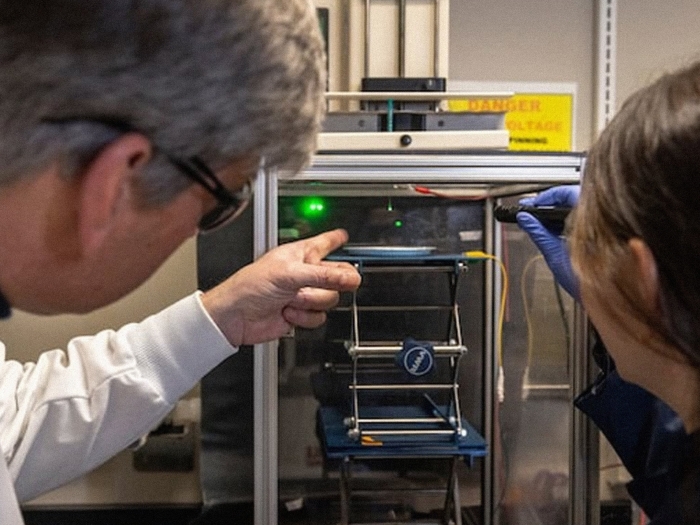
Nanoparticles genetically modify several human cell types

A heart attack 9 days after giving birth: Mother of 4 shares her SCAD experience
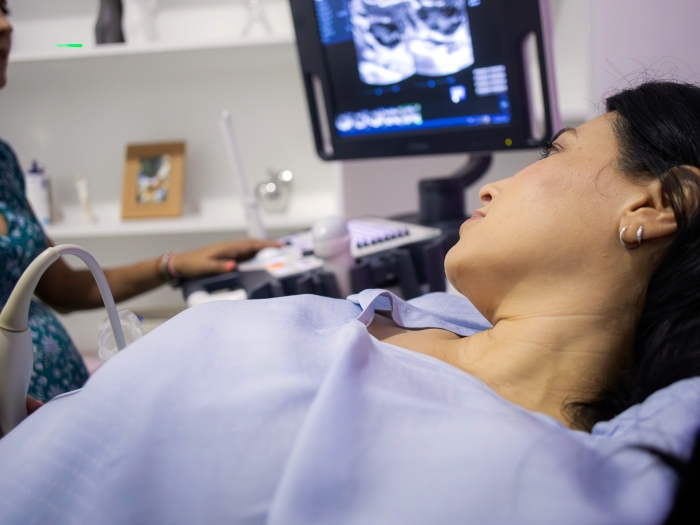
Study suggests fibroid rates in Latina women may be lower than previously thought

How donor eggs helped one couple build the family they always hoped for
What causes infertility? A doctor answers common questions and clears up misconceptions