
Esophageal Cancer
Esophageal Cancer
What is Esophageal Cancer?
Esophageal cancer is the growth of abnormal cells in your esophagus. That's the hollow tube that connects your throat to your stomach. The cancer most often starts in the cells that line the inside of the esophagus.
Our Approach
The University of Michigan Rogel Cancer Center's Thoracic Oncology Program is a leader in the development of combined modality therapy for esophageal cancer, a therapy in which patients are treated with chemotherapy, radiotherapy and surgery in an attempt to improve their chances for survival.
Less-Invasive Surgery for Cancer of the Esophagus
For patients with esophageal cancer, transhiatal esophagectomy without thoracotomy (removing the esophagus without opening the chest) was pioneered and refined at the University of Michigan by Mark Orringer, M.D. More than 2,000 patients have undergone this operation at the University of Michigan in the past 30 years, giving U-M physicians the most experience with this procedure in the United States.
The operative mortality rate for this procedure at U-M is less than 3%, with an average hospital stay of only seven days. The Thoracic Oncology Program is also a leader in the development of combined modality therapy for esophageal cancer, a therapy in which patients are treated with chemotherapy, radiotherapy and surgery in an attempt to improve their chances for survival.
Research and Innovation
The U-M Thoracic Oncology Program has a variety of clinical trials available, ranging from chemoprevention studies to the evaluation of state-of-the-art investigational therapies. The team's expertise with emerging technologies, including:
- stereotactic radiosurgery
- radiofrequency ablation
- photodynamic therapy
- esophageal and airway stenting
- ultrasound-guided transbronchial/transesophageal biopsy
- video-assisted thoracoscopy
Appointments
The Thoracic Oncology Program evaluates and treats patients with known or suspected esophageal cancer. Each week a group made up of thoracic surgeons, medical oncologists and radiation oncologists reviews each patient's case and develops a personalized treatment plan.
If you've been diagnosed with esophageal cancer, or suspect you may have it, please call 734-647-8902.
If you're referring a patient, please contact M-Line 800-962-3555.
For people with questions, please call our Cancer AnswerLine at 800-865-1125.
What are the Symptoms of Esophageal Cancer?
Symptoms of this type of cancer can include:
- Trouble swallowing.
- Feeling like there's something stuck in your throat.
- Pain when you swallow.
- Weight loss.
- Pain behind your breastbone (sternum).
- Hoarseness and coughing.
- Stomach upset (indigestion) and heartburn.
How is Esophageal Cancer Diagnosed?
Your doctor will ask you questions about your and your family's past health. He or she will do a physical exam.
Your doctor likely will do an endoscopy. This is a test that lets your doctor look at the inside of your esophagus. The doctor uses a thin, lighted tube (endoscope) that bends. He or she uses it to look at your stomach and the first part of your small intestine. The doctor can also use the scope to take a sample of tissue for study (a biopsy).
You may need more tests. These tests may include a CT scan, a PET scan, or an ultrasound of your esophagus.
How is Esophageal Cancer Treated?
Treatment for esophageal cancer is based on the stage of the cancer and other things, such as your overall health. The main treatment options include:
- Endoscopic treatment.
-
For early cancer, the doctor may use an endoscope to guide tools down your throat. The tools are used to remove or destroy the cancer.
- Surgery.
-
For cancer deeper in the tissue, you may have surgery to remove part of the esophagus.
- Radiation therapy.
-
This uses high-dose X-rays to destroy cancer cells and shrink tumors.
- Chemotherapy.
-
These medicines kill fast-growing cells, including cancer cells and some normal cells. Chemotherapy and radiation may be given together. This is called chemoradiation.
In some cases, targeted therapy or immunotherapy may be an option. A clinical trial may be a good choice.
Your doctor will talk with you about your options and then make a treatment plan.
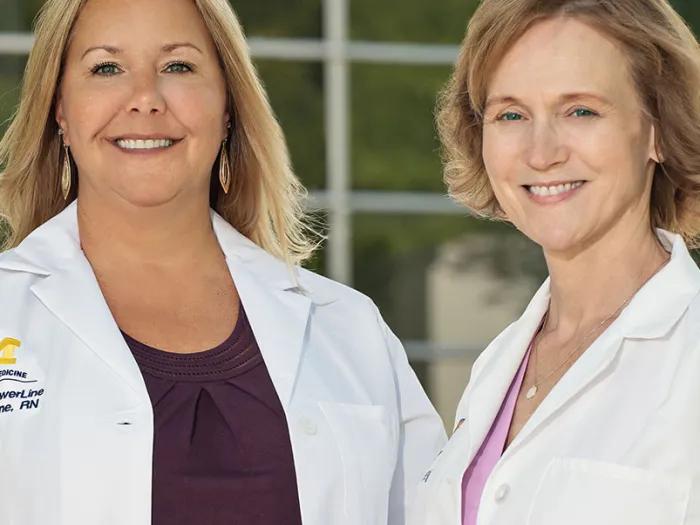
Questions about cancer?
Contact our Cancer AnswerLine™ at 800-865-1125. You'll talk to a nurse with years of experience in cancer care.
Locations
-
Thoracic Oncology Clinic | Rogel Cancer Center 1500 E Medical Center Dr
Floor B1 Reception E
Ann Arbor, MI 48109-5912Get Directions -
Thoracic Surgery Clinic | Taubman Center 1500 E Medical Center Dr
Floor 2 Reception C
Ann Arbor, MI 48109-5344Get Directions
Doctors

Andrew Ching-Hung Chang, MD
Professor
Thoracic Surgery, Surgery
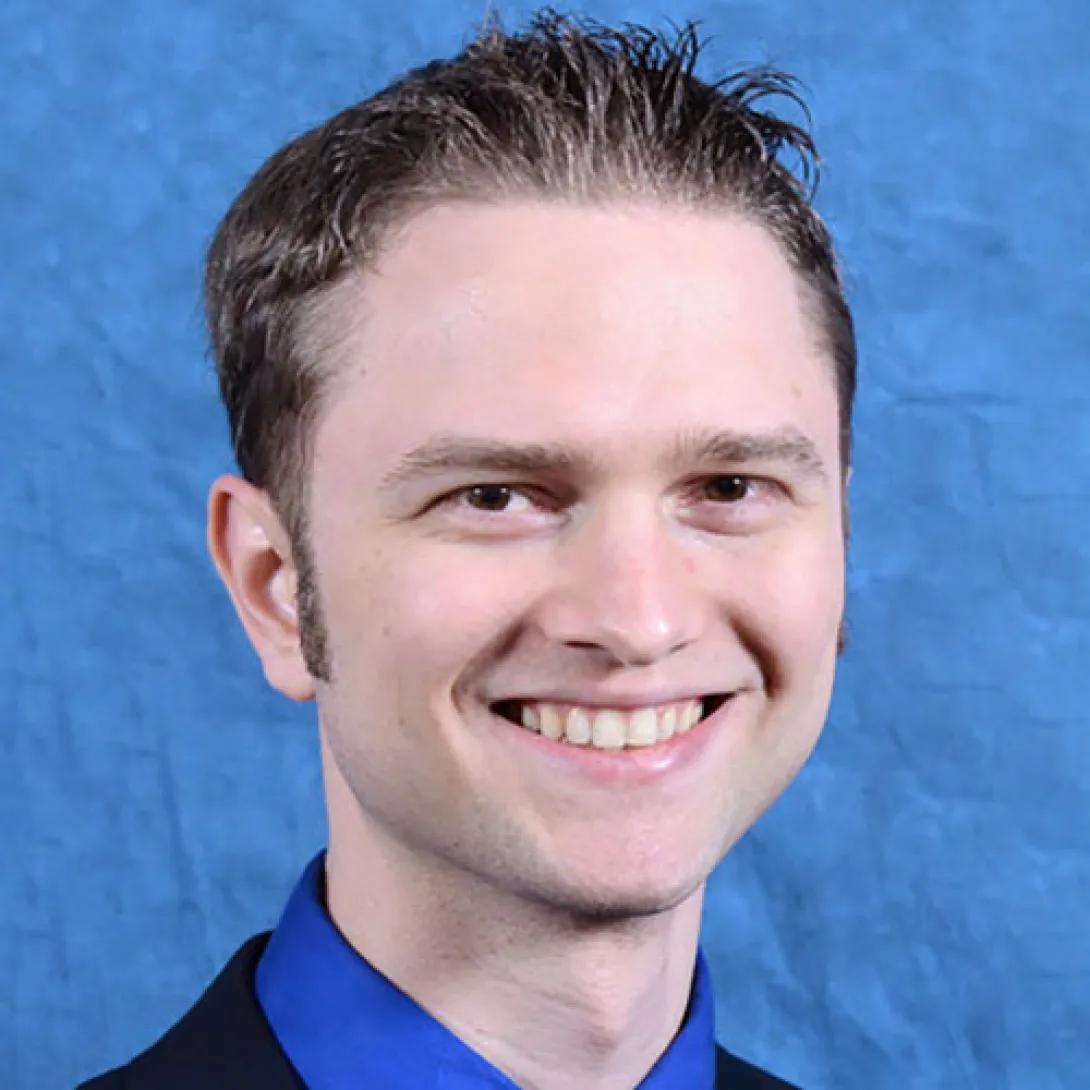
Jason Warren David Hearn, MD
Clinical Associate Professor
Radiation Oncology

Shruti Jolly, MD, MBA
Clinical Professor
Radiation Oncology

Kiran Hari Lagisetty, MD
Clinical Associate Professor
Thoracic Surgery, Surgery

Jules Lin, MD
Professor
Thoracic Surgery, Surgical Critical Care, Surgery

William Robert Lynch, MD
Clinical Associate Professor
Thoracic Surgery, Surgical Critical Care, Surgery

Angel Qin, MD
Clinical Associate Professor
Medical Oncology, Internal Medicine

Rishindra Mamidi Reddy, MD
Professor
Thoracic Surgery, Surgery

Bryan J Schneider, MD
Clinical Professor
Medical Oncology, Internal Medicine
News & Stories
Diagnosed with pancreatic cancer: Now what?
Understanding Prostate Biopsy
Focal therapy for prostate cancer
Histotripsy stimulates the immune system to attack cancer cells outside the liver
A dosimetry code ready for widespread use in software

