Metabolism, Endocrinology & Diabetes
Endocrinologists diagnose and treat conditions of the endocrine system, the pituitary gland, thyroid gland, adrenal gland and pancreas.
Your Michigan Answer for Metabolism, Endocrinology & Diabetes
When your endocrine system isn’t working properly, your body can’t use hormones to communicate like it should. These conditions affect how you metabolize food, handle sugar, grow and develop. U-M Health is a leading hospital for endocrine conditions including diabetes. It all starts in our state-of-the-art clinics.
From diabetes to weight management, we believe in personalized medicine. That means we take an approach to your treatment that includes a whole team of experts, including you. We empower our patients to live longer, healthier lives with guidance and support.
We’re committed to preventing, treating and curing diabetes. Our diabetes experts educate, treat and train patients to manage their condition. We provide breakthrough research and treatments, nutrition classes, weight management, support groups, equipment training, social work and specialists in every body system affected by this disease.
See more information and services related to diabetes care at U-M Health
For patients with adrenal diseases, including cancer, U-M Health provides surgery that's not available anywhere else. We also streamline care, decreasing the time from referral to operation. Surgeons can even review records and provide next steps by phone or video. We aim for the safest and highest level of care, fast, with as few in-person appointments as possible.
Get answers, and all the support you need, at U-M Health.
Looking for a Doctor or Location?
Our Expertise Includes
- Atypical Diabetes Program
- Bariatric Surgery Program
- Comprehensive Gender Services Program
- Diabetes Program (Pediatric)
- Diabetes Transition Program
- Endocrine Oncology Program
- Endocrine Surgery
- Hospital Intensive Insulin Program (HIIP)
- Medical Genetics Clinic
- Michigan Lower Extremity Services (MiLES) Multidisciplinary Foot Clinic
- Pediatric Endocrinology Program
- Polycystic Ovary Syndrome (PCOS) Program
- Weight Management & Obesity Program (Adult)
- Adrenal Cancer
- Adrenal Nodules
- Adrenal Tumors
- Adult Diabetes Education
- Carcinoid and Neuroendocrine Tumors
- Conn's Syndrome
- Cushing's Syndrome
- Diabetes - Type 1
- Diabetes - Type 2
- Diabetic Foot Ulcer
- Endocrine Tumor Syndromes
- Gestational Diabetes
- Hashimoto's Disease
- Hyperparathyroidism
- Hyperthyroidism & Graves’ Disease
- Obesity
- Osteoporosis
- Pancreatic Neuroendocrine Tumors
- Parathyroid Disorders
- Pheochromocytoma & Paraganglioma
- Podiatry (Foot Care)
- Prediabetes
- Primary Hyperparathyroidism
- Secondary (Renal) & Tertiary Hyperparathyroidism
- Thyroid Cancer
- Thyroid Disorders
- Virilizing & Feminizing Adrenal Tumors

Nationally Ranked in Diabetes & Endocrinology
U-M Health has been recognized as one of the nation's top hospitals for diabetes and endocrinology care by U.S. News & World Report for 2025-2026.
News & Stories

Supplementing with peptides: Good for extra pep or a needless step?

New study reveals a missing step in a weight control pathway that could be targeted for obesity treatment

A unique patient case inspiring research
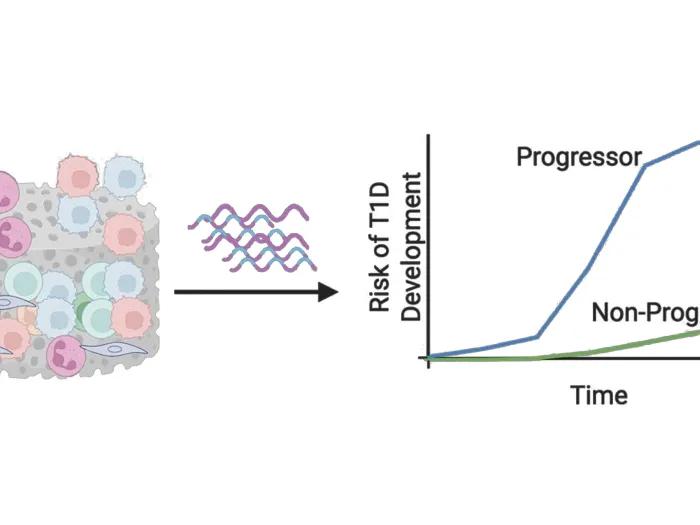
New hope for early diabetes detection

Researchers uncover why a rare disease resulting in abnormal fat loss can also lead to diabetes