Dystonia
Dystonia
What is dystonia?
Dystonia is a hyperkinetic movement disorder that can be both painful and debilitating. It is the third most common movement disorder and can also be a symptom of other diseases. Dystonia is characterized by abnormal sustained co-contractions of opposing muscle groups that cause twisting or repetitive movements and abnormal postures. There are different categories of dystonia, depending on the number of muscle groups affected.
What are the types of dystonia?
- Focal - This type affects localized muscles in one area such as the face, neck, larynx/vocal cords, or limbs. Examples include blepharospasms, or involuntary contractions of the eyelid muscles, and cervical dystonia, marked by muscle spasms of the head and neck which causes the neck to twist into unusual positions. This category also includes task-specific dystonia such as musician’s or writer’s cramp.
- Regional - Affects larger areas of the body, such as the shoulders or neck
- General - Affects most of the body and frequently involves the back and legs
Our Approach
The Movement Disorders Program at U-M Health offers sophisticated treatments for dystonia, with care delivered by experienced neurologists who are specially trained in movement disorders and treat only these conditions. Our neurologists work closely with neurosurgeons, neuropsychologists, speech therapists and physical rehabilitation specialists to offer a multidisciplinary approach to care. U-M Health is also home to one of the largest dystonia research centers in the country, where we are trying to better understand the genetics of the disease, how it works and better ways to treat it.
Appointment Information
To make an appointment, call 734-764-6831.
How is dystonia diagnosed?
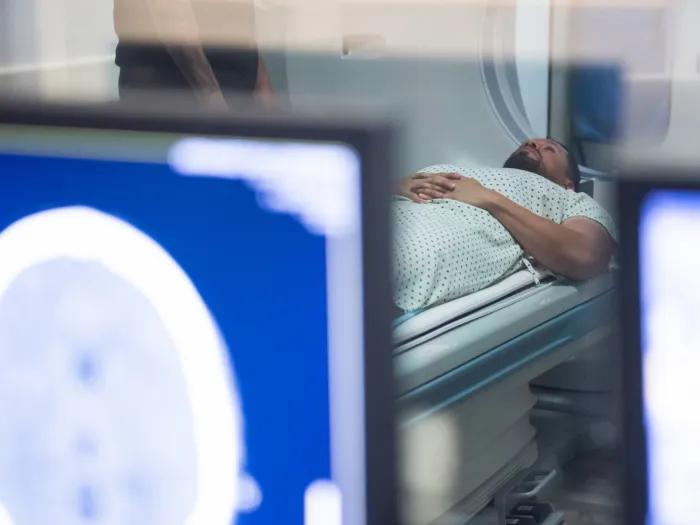
Dystonia can be primary, meaning a patient’s MRI is normal and there is no known cause, or secondary, meaning the cause is known. People usually seek treatment when dystonia interferes with the quality and functioning of day-to-day life. Because dystonia can also be indicative of other conditions, our neurologists thoroughly evaluate each patient and run all necessary tests to determine why they are experiencing symptoms.
How is dystonia treated?
For many patients with dystonia, medications or Botox treatments may adequately treat their condition. Botox works by relaxing the muscles, and is particularly effective in patients with focal dystonia. It is a low-risk treatment and patients typically receive injections every few months.
For patients with primary regional or general dystonia, deep brain stimulation (DBS) can significantly improve symptoms and pain levels, thus improving quality of life. These benefits can be long-lasting and increase over time. DBS involves placing electrodes in precise locations of the brain. The electrodes are connected to a wire that runs underneath the skin to a battery in the chest. When electrical stimulation is delivered to the brain, symptoms improve. It’s like a pacemaker for the brain, instead of the heart. DBS is reversible and is programmed to each patient’s individual needs.
For those with severe general dystonia who haven’t had success with other treatments, an ITB (intrathecal baclofen) Pump can be effective in helping to control symptoms. Baclofen is a drug used to manage severe spasticity. An ITB Pump is placed under the skin at the belly, which delivers programmable dosages of the medication via a catheter placed in the spinal canal. The surgery is low-risk. Patients who have secondary dystonia respond better to this treatment than those with primary dystonia.
Locations
-
Geriatric Neurology Clinic | East Ann Arbor Health & Geriatrics Center 4260 Plymouth Rd
Level 1
Ann Arbor, MI 48109-2700Get Directions -
Neurology Clinic | Brighton Center for Specialty Care 7500 Challis Rd
Entrance 1, Level 2
Brighton, MI 48116-9416Get Directions -
Neurology Clinic | Northville Health Center 39901 Traditions Dr
Floor 2
Northville, MI 48168-9493Get Directions -
Neurology Clinic | Taubman Center 1500 E Medical Center Dr
Floor 1 Reception C
Ann Arbor, MI 48109-5322Get Directions -
Neurosurgery Clinic | Taubman Center 1500 E Medical Center Dr
Floor 2 Reception G
Ann Arbor, MI 48109-5338Get Directions
Doctors
Kelvin Lin-Yu Chou, MD
Clinical Professor
Neurology

Wayne Todd Cornblath, MD
Clinical Professor
Ophthalmology, Neurology

Praveen Dayalu, MD
Clinical Professor
Neurology
Amy Ferng, MD
Clinical Assistant Professor
Neurology

John Kane Fink, MD
Professor
Neurology, Clinical Genetics
Christopher Chauncey Spears, MD
Clinical Associate Professor
Neurology
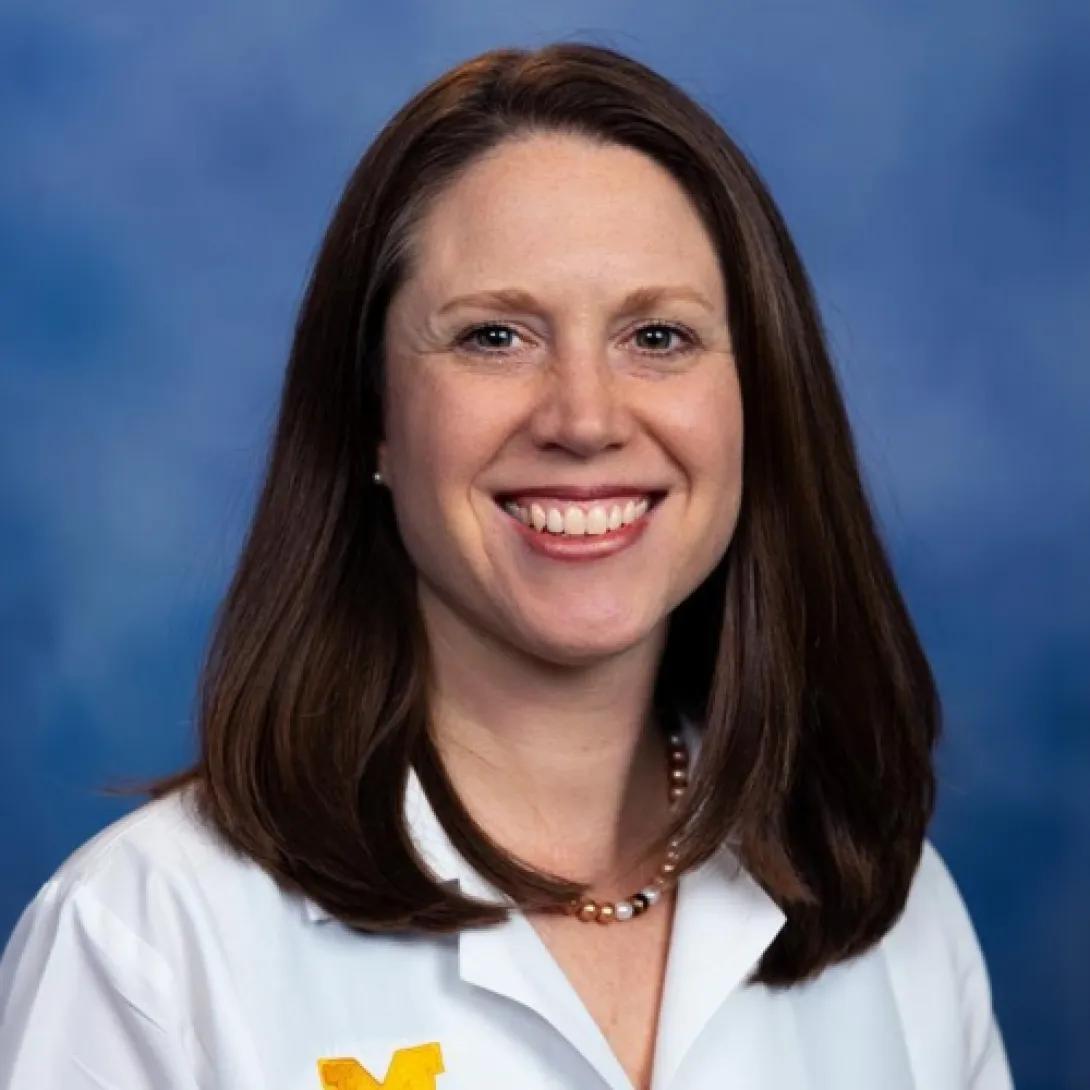
Kara Jean Wyant, MD
Clinical Associate Professor
Neurology
News & Stories
Timely treatment helps former baseball pro survive on-field stroke with no complications
Researchers develop models to help diagnose ALS earlier through blood biomarkers
The faces of epilepsy: finding strength in hope
Study reveals the dual role for a protein critical for healing nerve damage
Teen with severe epilepsy finds seizure relief through ketogenic diet