Dysphagia (Difficulty Swallowing)
Dysphagia (Difficulty Swallowing)
What is dysphagia?
Dysphagia means difficulty swallowing food or liquids. There are many causes, including problems in the coordination or strength of the swallowing muscles, inflammatory conditions, benign narrowings of the esophagus called strictures, and cancers. If food is stuck for more than a few hours, it is considered an emergency situation as it could result in a hole in the esophagus. Chronic recurrent issues of choking or coughing related to dysphagia can result in pneumonia. At the Esophageal Disorders Program, our dedicated, multidisciplinary team has broad experience diagnosis and treating dysphagia, with comprehensive diagnostic testing and a robust clinical research program.
What causes dysphagia?
- Achalasia
- Neurologic conditions such as a stroke, Parkinson's, etc.
- Muscular conditions such as scleroderma, myositis, or non-specific muscle weakness or poor coordination
Cancer of the Esophagus or Throat
Benign Strictures - Relatively common ones include:
- Schatzki's Ring (a short stricture in the lower esophagus related to gastroesophageal reflux disease)
- Eosinophilic Esophagitis
- Peptic Stricture (a longer stricture related to gastroesophageal reflux disease)
- Damage from prior radiation used to treat cancers in the chest
Uncommon:
- Paraesophageal hernia (an acquired condition where part of the stomach is abnormally located in the chest next to the esophagus rather than in the abdomen)
- Ingestion of caustic substances like lye
- Webs in the upper esophagus
- Compression of the esophagus from the outside by enlarged blood vessels
Appointment Information
To schedule an appointment, call us at 888-229-7408.
Esophageal Disorders Program
The Esophageal Disorders Program includes more than a dozen gastroenterologists with experience treating patients with both routine and complicated disorders.
What are the symptoms of dysphagia?
- Gagging or choking when swallowing
- Sensation of food or liquid stuck in the throat or chest
- Weight loss
How is dysphagia diagnosed?
To diagnose dysphagia, we discuss your symptoms and conduct a physical examination. Your doctor may determine that additional tests are necessary.
They may include:
- Upper endoscopy: Also known as an esophagogastroduodenoscopy or EGD, this test uses an endoscope—a lighted, flexible tube, about the thickness of a finger—to examine the upper gastrointestinal tract while you are sedated. The EGD examines the esophagus, stomach and duodenum, which is the first part of the small intestine. A special instrument may be passed through the tube to take a small piece of tissue (a biopsy) for examination in the laboratory.
- Esophagram: Uses x-ray and barium solution (coats the lining of the esophagus) to observe the shape and coordination of the esophagus after swallowing.
- Videofluoroscopic swallow study: Similar to an esophagram, but focuses on the throat, and uses a number of different types of liquids and foods to observe how they are chewed and swallowed.
- Esophageal manometry: A thin catheter is placed through the nose into the esophagus, and the pressures and coordination of the esophagus are measured while the patient takes sips of water. We utilize high-resolution esophageal manometry, which gives much greater detail in the swallowing mechanism than the previous technology, which is still often in use at other medical centers.
How is dysphagia treated?
There are a variety of treatments for dysphagia, depending on the exact diagnosis:
- Dilation (stretching the esophagus open) at the time of an endoscopy
- Medications (either taken by mouth or injected into the esophagus at the time of an endoscopy)
- Modification of the diet (either removing particular kinds of foods or altering the consistency of foods and drinks)
- Swallowing therapy (exercises and learning swallowing techniques with speech pathology specialists)
- Surgery
- Placement of a stent (like a large straw) in the esophagus to allow eating foods of pureed consistency
- Placement of a feeding tube either through the nose or through the skin, into the stomach or small intestines
Research
Because our physicians are also conducting research, they are on the forefront of understanding dysphagia. We have active research programs in motility disorders of the esophagus, gastroesophageal reflux disease (which is associated with a number of the causes of dysphagia), and esophageal cancer. Patients who qualify can participate in clinical trials, allowing them access to the latest therapies available.
Locations
-
Otolaryngology Clinic | Brighton Center for Specialty Care 7500 Challis Rd
Entrance 1, Level 2
Brighton, MI 48116-9416Get Directions -
Otolaryngology Clinic | Northville Health Center 39901 Traditions Dr
Floor 2
Northville, MI 48168-9493Get Directions -
Otolaryngology Clinic | West Ann Arbor Health Center-Parkland Plaza 380 Parkland Plaza Ste 210
Floor 2
Ann Arbor, MI 48103-6201Get Directions -
Vocal Health Center | Taubman Center 1500 E Medical Center Dr
Floor 1 Reception A
Ann Arbor, MI 48109-5312Get Directions
Doctors

Jayson Scott Greenberg, MD
Clinical Assistant Professor
Otolaryngology
Norman Dertad Hogikyan, MD, F.A.C.S.
Professor
Otolaryngology
Robbi Ann Kupfer, MD
Clinical Associate Professor
Otolaryngology
Robert James Morrison, MD
Clinical Associate Professor
Otolaryngology
Jeffrey John Stanley, MD
Clinical Professor
Sleep Medicine, Otolaryngology
News & Stories
Identifying avoidant, restrictive food intake disorder in gastroenterology patients

As probiotic use surges, microbiome-supportive food consumption stagnates

How gastroenterology nutrition therapy has evolved
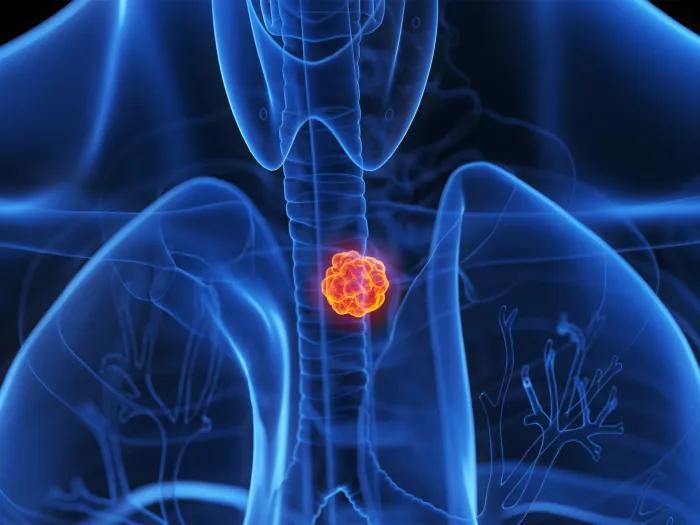
Understanding esophageal cancer

Managing cirrhosis pain without drugs