Stroke
Stroke
What is a stroke?
A stroke—sometimes called a brain attack—occurs when a clot blocks the flow of blood to the brain (ischemic stroke) or when a blood vessel in the brain breaks (hemorrhagic stroke). The decrease in blood flow to the brain can result in temporary or permanent brain injury. This is why every minute counts in getting treated for stroke, which is the fifth-leading cause of death in the U.S.
Damage from stroke can affect your entire body resulting in mild to severe disabilities—including the inability to move your arm, leg or both—and problems with memory, thinking, speaking, swallowing and emotions. If a stroke occurs and blood flow can't reach the region that controls a particular body function, that part of the body won't function as it should. Your symptoms tell us where the stroke happened in the brain and how much of the brain is involved.
F.A.S.T. is an easy way to remember the sudden signs of a stroke.
F = Face Drooping
Does one side of the face droop or is it numb? Ask the person to smile.
A = Arm Weakness
Is one arm weak or numb? Ask the person to raise both arms. Does one arm drift downward?
S = Speech Difficulty
Is the speech slurred, are they unable to speak, or are they hard to understand? Ask the person to repeat a simple sentence, like "the sky is blue." Is the sentence repeated correctly?
T = Time to Call 9-1-1
If the person shows any of these symptoms, even if the symptoms go away, call 9-1-1 and get them to the hospital immediately.
Other signs include abrupt onset of:
- Difficulty with speech
- One side of the face drooping or feeling numb
- Weakness or numbness on one side of the body
- Unexplained clumsiness or falling
- Sudden severe headache
- Blurred or double vision
If you or someone you know is experiencing these signs, call 911 or have someone get you to the nearest emergency room immediately.
Our Approach
The Stroke Program at U-M Health is accredited as a Comprehensive Stroke Center by the Joint Commission. We have repeatedly been designated as an American Heart Association Gold Plus stroke hospital, the highest stroke quality designation. We also surpass state and national benchmarks for tPA treatment and treatment time.
Stroke patients at U-M Health are cared for in a dedicated Stroke Unit and Neuro-Intensive Care Unit (NICU). During the patient’s stay, vascular neurologists, neurosurgeons, neuroscience nurses with advanced training in stroke care, and a medical team all work together so patients can have optimal recovery for their individual situation.
Appointment Information
If you think you or a loved one might be having a stroke, call 911. If you have had a stroke in the past or think you might be at risk for one call us at 1-888-287-1082 to make an appointment for a consultation.
Stroke Program
Patients in the U-M Health Stroke Program are treated by a multidisciplinary team of physicians and nurses who are specially trained in stroke care.
What are the types of stroke?
Ischemic Stroke
Ischemic stroke is the most common type of stroke, accounting for approximately 87% of strokes. It occurs when a blood clot blocks the flow of blood to the brain. If the body cannot clear the blockage, then the area is permanently damaged.
There are 2 types of ischemic strokes:
- Thrombotic strokes: These are caused by a blood clot (also called thrombus) that forms in the blood vessels inside the brain.
- Embolic strokes: These are caused by a wandering blood clot (also called embolus) or plaque debris that forms somewhere else in the body (usually heart or neck) and then travels to one of the blood vessels in the brain through the bloodstream.
Hemorrhagic Stroke
A hemorrhagic stroke is less common than an ischemic stroke. It occurs when a weak blood vessel breaks or ruptures and bleeds into the brain.
There are 2 types of hemorrhagic strokes:
- An intracerebral hemorrhage (ICH) is caused by a weak blood vessel breaking in the brain.
- A subarachnoid hemorrhage (SAH) is caused by a weak blood vessel breaking on the surface of the brain.
Transient Ischemic Attack (TIA)
A transient ischemic attack (TIA) — also referred to as a "mini-stroke" or "warning stroke" — is a temporary interruption of the blood flow to an area of the brain. A TIA indicates that someone is at risk for having a stroke. U-M Health is very aggressive about lowering the risk of a stroke in patients who have received this warning.
How is stroke treated?
Treatment for a stroke depends on whether it is an ischemic or hemorrhagic stroke, how long it’s been since your stroke happened and other factors. Your doctor will select the best treatment for you.
Timing is critical when treating patients with ischemic stroke, which happens when a blood clot blocks the flow of blood to an area of the brain. Without prompt treatment, a stroke can result in long-term disability or even death. U-M Health has consistently exceeded the American Heart Association goals and national and state benchmarks for expedited treatment, which may include:
- TNK Clot-Busting Medication: Tenecteplase (TNK) is a clot-busting medication that can be administered within 4.5 hours of the first stroke symptoms. This brain-saving treatment, which is administered via an IV in the arm, can reduce long-term disability after stroke.
- Endovascular Thrombectomy: Endovascular thrombectomy is a minimally invasive procedure that uses a stent retriever to trap and remove the blood clot that is causing the stroke. Doctors thread a catheter through an artery in the groin or arm up to the blocked artery in the brain. The stent retriever is then inserted through the catheter to open and "grab" the clot, allowing doctors to remove the stent with the trapped clot. The procedure typically takes 60 to 90 minutes. In some cases, a thrombectomy can benefit a patient under certain conditions up to 24 hours after the onset of symptoms, but earlier treatment (within six hours of the onset of symptoms) is preferred.
A hemorrhagic stroke happens when a weak blood vessel bursts and bleeds into the brain. A hemorrhagic stroke is less common than an ischemic stroke, making up about 15 percent of stroke cases. Treatment, which is based on the patient’s condition and cause of the brain hemorrhage, may include:
- Clipping (aneurysm): An aneurysm is a ballooning of the artery from a weak artery wall. One surgical treatment of brain aneurysms involves placing a surgical clip at the bottom of the aneurysm to remove the blood flow and reduce the risk of rupture.
- Coiling (aneurysm): Another treatment of brain aneurysm may include filling it with detachable coils to reduce the risk of rupture.
- Craniectomy: In this procedure a surgeon removes a section of the skull to reduce pressure on the brain caused by swelling.
What procedures can help prevent a stroke?
Some procedures that have been successful in preventing a stroke or recurrent stroke include:
- Carotid Endarterectomy: A surgery to remove fatty deposits from the carotid artery to prevent a stroke.
- Carotid Stent Placement: A procedure in which a meshwork tube is inserted to widen a narrow artery. The procedure is usually done to prevent stroke or recurrent stroke.
- Patent Foramen Ovale Closure: A cardiac procedure performed to prevent recurrent stroke when the patent foramen ovale is thought to have caused a first stroke.
- Left Atrial Appendage Closure: A cardiac procedure performed in patients with atrial fibrillation who are not safe for oral anticoagulation.
Visit the Stroke Outcomes page for more information about carotid procedure outcomes.
Patient Resources
Locations
-
Neurology Clinic | Taubman Center 1500 E Medical Center Dr
Floor 1 Reception C
Ann Arbor, MI 48109-5322Get Directions -
Neurosurgery Clinic | Taubman Center 1500 E Medical Center Dr
Floor 2 Reception G
Ann Arbor, MI 48109-5338Get Directions
Doctors

Devin L Brown, MD
Professor
Vascular Neurology, Neurology

Joseph Francis Carrera, MD
Clinical Associate Professor
Vascular Neurology, Neurology

Neeraj Chaudhary, MBBS
Professor
Diagnostic Radiology, Neuroradiology
Nikita Chhabra, DO
Clinical Assistant Professor
Neurology, Vascular Neurology
Frank Garrett Conyers, MD, MPP
Clinical Assistant Professor
Neurology

Dawn Olson Kleindorfer, MD
Professor
Vascular Neurology, Neurology

Christina M Lineback, MD
Clinical Assistant Professor
Neurology
Matthew Thomas Lorincz, MD, PHD
Clinical Professor
Neurology

Margaret Leslie Mcdermott, MD, MS
Clinical Associate Professor
Vascular Neurology, Neurology

William J Meurer, MD
Professor
Emergency Medicine






Providers

Jessica Leanne Roberts, NP
Advanced Practice Nurse
Nurse Practitioner
News & Stories
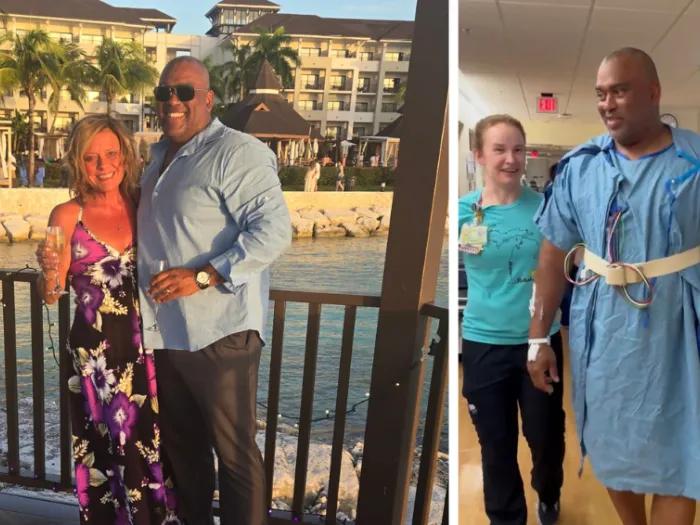
Timely treatment helps former baseball pro survive on-field stroke with no complications
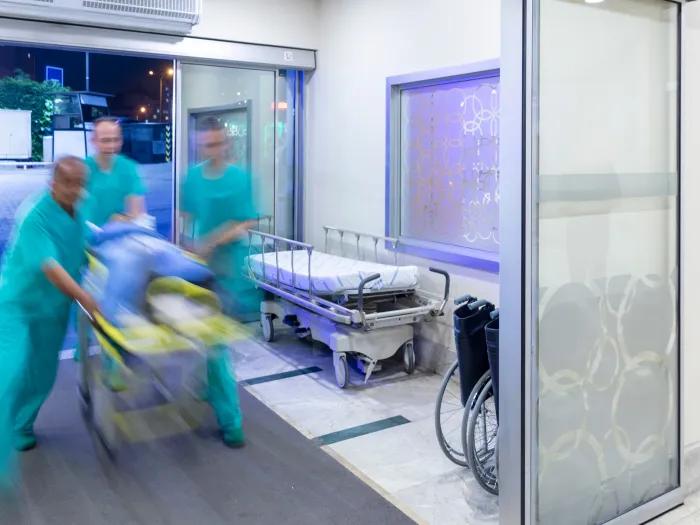
Stroke survivors miss critical treatment, face greater disability due to systemic transfer delays
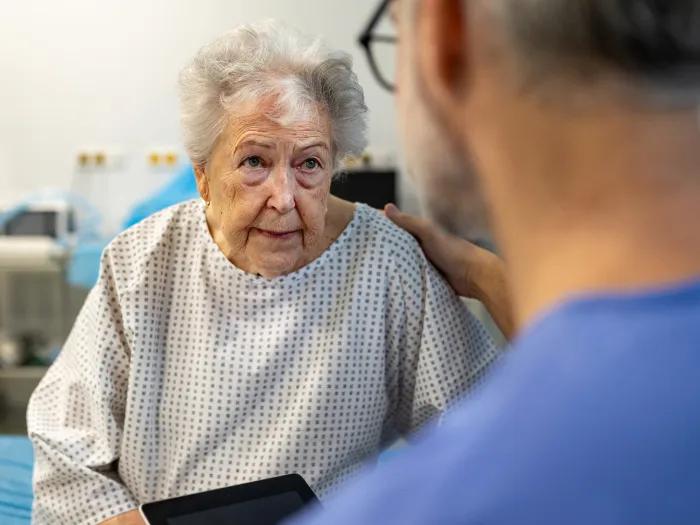
Better health benefits linked to better job numbers
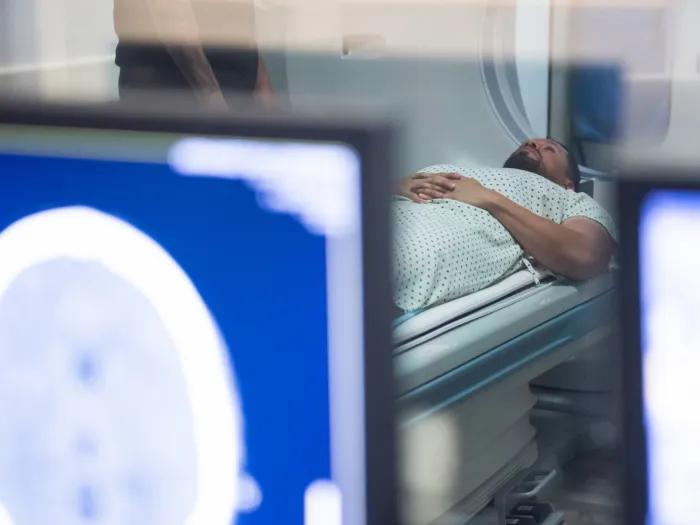
Telestroke patients more likely to receive treatment, but with greater delays
Ischemic stroke: what’s the right treatment?

Drug candidate successfully treats atherosclerosis, fatty liver disease in large mammals
Related Stories
Timely treatment helps former baseball pro survive on-field stroke with no complications

Severe strokes linked to 5 times higher dementia risk
Stroke survivors miss critical treatment, face greater disability due to systemic transfer delays

Highly educated people face steeper mental declines after stroke

Why vaping is bad for your heart