Lupus
Lupus
What is lupus?
Lupus is an autoimmune disease. This means that the body's natural defense system (immune system) attacks your body's healthy tissues instead of attacking only things like bacteria and viruses. This causes inflammation. Some people with lupus have only mild symptoms. But the disease is lifelong and can become severe. Lupus may cause problems with your skin, kidneys, heart, lungs, nerves, or blood cells.
Systemic lupus erythematosus is the most common and most serious type of lupus. But there are other types of lupus. They include discoid or cutaneous lupus, drug-induced systemic lupus, and neonatal lupus.
Appointment Information
To make an appointment with the Lupus Program, call 888-229-3065.
What are the symptoms of lupus?
Lupus symptoms vary widely, and they come and go. The times when symptoms get worse are called relapses, or flares. The times when symptoms are under control are called remissions.
Common symptoms include:
- Fatigue. Increased fatigue is a classic sign that a symptom flare is about to happen.
- Joint pain or swelling (arthritis).
- A fever.
- A skin rash. Many people have a butterfly rash over the cheeks and bridge of the nose. Skin sores or flaky red spots may appear on the arms, hands, face, neck, or back.
- Exposure to ultraviolet light (such as sunlight or tanning parlors) typically makes the skin rash worse and can trigger lupus flares.
- Mouth sores.
- Hair loss.
- Raynaud's syndrome. This causes fingers and toes to turn white and blue or red. The skin feels numb, tingly, and cold.
Over time, some people with lupus have problems with the heart, lungs, kidneys, skin, blood cells, or nervous system.
How is lupus diagnosed?
There is no single test for lupus. Because lupus affects different people in different ways, it can be hard to diagnose. It can take time for symptoms to develop. And sometimes it takes weeks to years to diagnose.
Your doctor will give you an exam and ask questions about your symptoms and past health. He or she will check for certain criteria to help diagnose lupus. These include a butterfly rash, joint swelling, fatigue, being sensitive to sunlight, and mouth or nose sores.
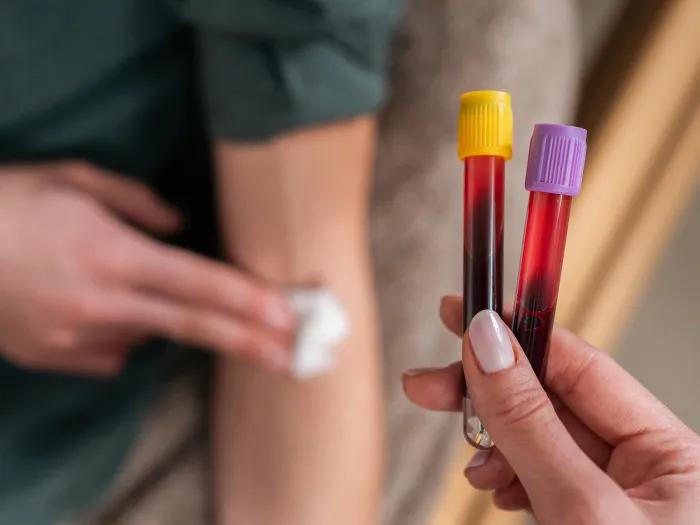
If you have lupus symptoms and you have a positive antinuclear antibody test result, you may not need more testing.
If your doctor feels that you do need more tests, you may have one or more of these tests:
- Other antibody blood tests
- Complement test
- Erythrocyte sedimentation rate or C-reactive protein
- Complete blood count
- Urinalysis
- Lupus anticoagulant test
How is lupus treated?
Lupus treatment can be complicated. Symptoms vary, and flares and remissions can still happen. But the goal of treatment is to find a balance between controlling your symptoms, preventing organ damage, and having fewer side effects.
Treatment for mild lupus may include:
- Antimalarial medicines. They can treat fatigue, joint and muscle pain, and skin rashes.
- Corticosteroid cream for rashes.
- Nonsteroidal anti-inflammatory drugs (NSAIDs). These can treat mild joint or muscle pain and fever.
- Corticosteroid pills. They're used if other medicines don't control your symptoms.
If your lupus causes or threatens organ damage, is life-threatening, or has a serious impact on your quality of life, you may also need to take:
- Corticosteroids in higher doses. These may be in pills or through a vein in your arm (I.V.).
- Medicine that suppresses your immune system (immunosuppressants).
Some people get serious kidney disease that can't be controlled with medicine. They may need dialysis or a kidney transplant.
Locations
-
Rheumatology Clinic | Taubman Center 1500 E Medical Center Dr
Floor 3 Reception A
Ann Arbor, MI 48109-5358Get Directions
Doctors

Nada Mirghani Ahmed Abdulaziz, MBBS
Clinical Assistant Professor
Rheumatology, Internal Medicine

Tsz Kit Kevin Chan, MD
Clinical Assistant Professor
Hand Surgery, Orthopedic Surgery

Rachel Lipson Glick, MD
Clinical Professor Emeritus
Psychiatry, Psychosomatic Medicine, Internal Medicine

Joanne MICHELLE Kahlenberg, MD, PhD
Professor
Rheumatology, Internal Medicine

Wendy Marder, MD
Clinical Professor
Rheumatology, Internal Medicine

Panduranga Sadashiva Rao, MBBS
Professor
Nephrology, Internal Medicine
News & Stories

Could preeclampsia become a thing of the past?

Researchers discover what may be the root cause of preeclampsia, and how to fix it

Single-cell RNA sequencing gives insight to dermatomyositis treatment
Ragweed Pollen Shows Negative Effect of Quality of Life for Some
Using gene expression in blood to personalize care for APS