Parathyroid Disorders
Parathyroid Disorders
What are parathyroid disorders?
Parathyroid disorders lead to abnormal levels of calcium in the blood that can cause brittle bones, kidney stones, fatigue, weakness and other problems. As a rule, if the calcium level in the blood is low, the parathyroid glands sense this and release PTH. PTH then causes release of calcium from the bones into the bloodstream, increases vitamin D production from the kidney which ultimately increases absorption of calcium from the intestines. If the calcium level is too high, then PTH secretion should decrease to a very low level.
Appointment Information
To schedule an appointment or for inquiries, please call 734-647-5871.
What are the symptoms of parathyroid disorders?
Many patients experience symptoms of fatigue, depression, anxiety, difficulty concentrating, difficulty with their memory, insomnia, generalized muscle aches and pains, frequent urination (especially at night), and constipation. Because these symptoms may be related to many other disorders, it is never known until after treatment whether or not these will improve.
Excess parathyroid hormone can lead to negative effects on the body such as osteoporosis which can lead to fractures, kidney stones, decreased kidney function, heart disease, pancreatitis, increased acid secretion in the stomach and ulcers.
How are parathyroid disorders diagnosed?
We diagnose parathyroid disorders through comprehensive testing that starts with a complete history and physical exam. Diagnosis of the type of hyperparathyroidism is based on blood work and other types of laboratory testing. Imaging tests are not used to diagnose parathyroid disorders, but may be ordered once the presence of a parathyroid disorder has been confirmed by lab tests.
How are parathyroid disorders treated?
Hyperparathyroidism exists when the parathyroid glands produce too much parathyroid hormone (PTH). This may be due to multiple reasons, and the reason helps determine the appropriate type of treatment. Sometimes treatment is as simple as replacing vitamin D when the parathyroid gland is responding appropriately to a problem elsewhere in the body. In other cases, there is an issue with the gland itself and surgery is required.
Locations
-
General Surgery Clinic | Taubman Center 1500 E Medical Center Dr
Floor 2 Reception C
Ann Arbor, MI 48109-5331Get Directions -
Geriatric Endocrinology Clinic | East Ann Arbor Health & Geriatrics Center 4260 Plymouth Rd
Level 1
Ann Arbor, MI 48109-2700Get Directions -
Metabolism, Endocrinology & Diabetes Clinic | Brighton Center for Specialty Care 7500 Challis Rd
Entrance 1, Level 2
Brighton, MI 48116-9416Get Directions -
Metabolism, Endocrinology & Diabetes Clinic | Domino's Farms 24 Frank Lloyd Wright Dr Ste 1300
Lobby C
Ann Arbor, MI 48105-9484Get Directions
Doctors
Nevin Nuray Ajluni, MD
Clinical Assistant Professor
Endocrinology, Internal Medicine
Cristina Alvarado Nieves, MD
Clinical Assistant Professor
Endocrinology, Internal Medicine
David Tyler Broome, MD
Clinical Assistant Professor
Endocrinology, Internal Medicine

Debbie Wan Hua Chen, MD
Clinical Assistant Professor
Endocrinology, Internal Medicine
Tae-Hwa Chun, MD, PhD
Associate Professor
Endocrinology, Internal Medicine
Gregory Adam Clines, MD, PhD
Associate Professor
Endocrinology, Internal Medicine
Farah Daneshvar, DO
Clinical Assistant Professor
Endocrinology, Internal Medicine
Liselle Douyon, MD
Clinical Assistant Professor
Endocrinology, Internal Medicine
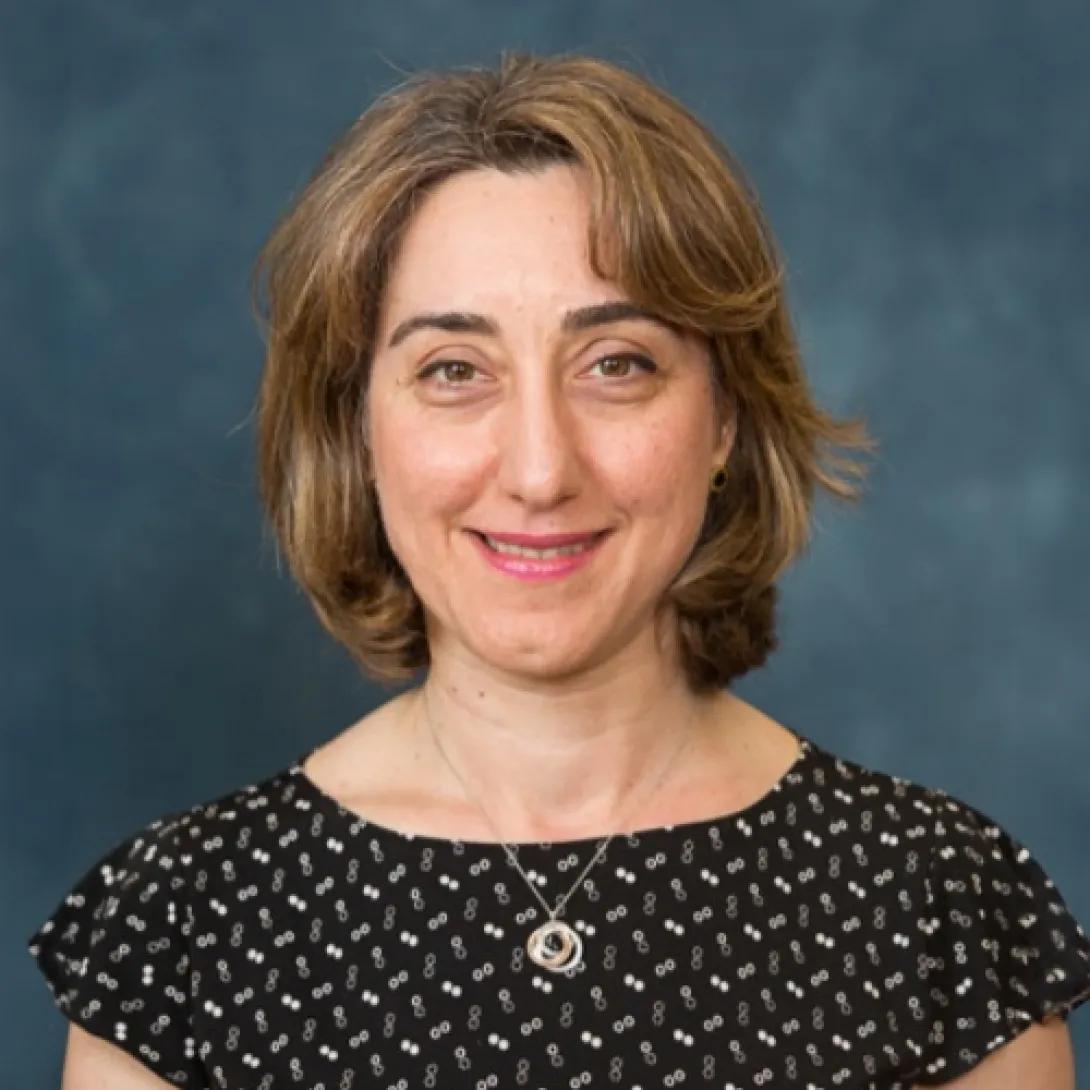
Nazanene Helen Esfandiari, MD
Clinical Professor
Endocrinology, Internal Medicine

Nada Fanous, MD
Clinical Assistant Professor
Endocrinology, Internal Medicine








News & Stories

New insight into how lipodystrophy can affect overall health
What should you know before starting a GLP-1?
Supplementing with peptides: Good for extra pep or a needless step?

Teenage patient receives treatment for papillary thyroid cancer

New study reveals a missing step in a weight control pathway that could be targeted for obesity treatment