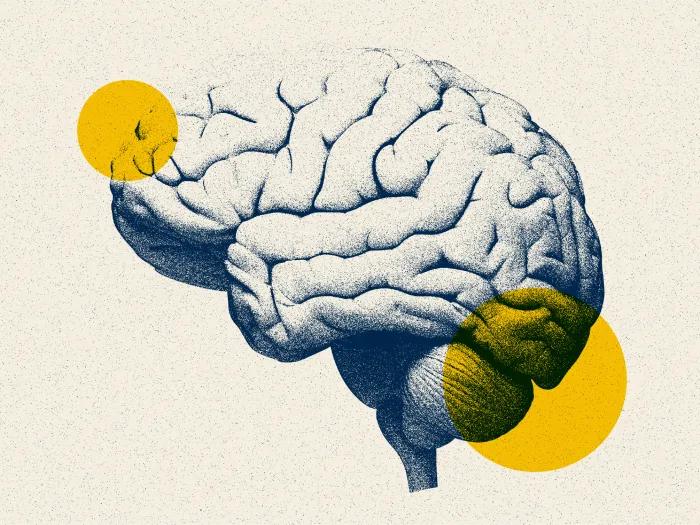
Neurogenetic Disorders Program
Neurogenetic Disorders Program
Specialists in the Neurogenetic Disorders Program at U-M Health provide diagnosis and comprehensive care for individuals with inherited and degenerative neurological disorders.
Our Approach
Patients and their family members are referred from around the world by primary care physicians, neurologists and national organizations. Individuals seeking evaluation can also contact our clinic directly. Our dedicated team of professionals has world-class expertise in neurogenetic disorders both in treating subjects with these conditions and performing laboratory research to advance knowledge of these disorders and develop better treatments.
We treat all forms of genetic neurological disorders, including:
- Ataxia, including spinocerebellar ataxias, olivopontocerebellar atrophies, and multiple system degeneration
- CADASIL (Cerebral Autosomal Dominant Arteriopathy with Sub-cortical Infarcts and Leukoencephalopathy)
- Charcot-Marie-Tooth disease (hereditary neuropathy)
- Cognitive disorders, including familial Alzheimer's disease and other familial dementias, including frontotemporal dementia, familial Pick’s disease, familial Creutzfeldt-Jakob disease
- Familial amyotrophic lateral sclerosis (familial ALS, also known as Lou Gehrig's disease)
- Familial dystonia, including Dopa-responsive dystonia
- Fragile X and Fragile X associated Tremor Ataxia Syndrome (FXTAS)
- Hereditary Spastic Paraplegia
- Huntington's disease
- Leukodystrophy, including adrenomyeloneuropathy and cerebrotendinous xanthomatosis
- Lysosomal storage disorders, including Gaucher, Niemann-Pick, and Fabry diseases
- Mitochondrial encephalomyopathies (MELAS syndrome)
- Mucopolysaccharidoses
- Neurofibromatosis
- Primary Lateral Sclerosis
- Tourette's syndrome
- Tuberous sclerosis
- Von-Hippel-Lindau disease
- Wilson disease
Services
Diagnoses are established by reviewing medical records, studying the family history, interviewing and examining affected individuals, and obtaining additional testing as needed (such as genetic testing and neuro-imaging).
Following diagnosis, treatment plans and long-term follow-up are established. Individuals and their family members are provided information about the disorder, genetic counseling (upon request), and referrals for additional information including disease-specific support groups. As requested, opportunities to participate in clinical and basic research studies are discussed.
In addition to providing care for individuals who are affected with an inherited neurologic disorder, we also provide information and counseling for family members who, though unaffected, may be at-risk of inheriting the disorder occurring in their family.
Appointment Information
Schedule an appointment by calling us at 734-764-6831.
Locations
-
Geriatric Neurology Clinic | East Ann Arbor Health & Geriatrics Center 4260 Plymouth Rd
Level 1
Ann Arbor, MI 48109-2700Get Directions -
Neurology Clinic | Taubman Center 1500 E Medical Center Dr
Floor 1 Reception C
Ann Arbor, MI 48109-5322Get Directions -
Neurosurgery Clinic | Taubman Center 1500 E Medical Center Dr
Floor 2 Reception G
Ann Arbor, MI 48109-5338Get Directions
Doctors
David Bernard Altshuler, MD
Clinical Assistant Professor
Neurological Surgery

John Kane Fink, MD
Professor
Neurology, Clinical Genetics
Henry Lauris Paulson, MD
Professor
Neurology
Byron Gregory Thompson, MD
Professor
Neurological Surgery
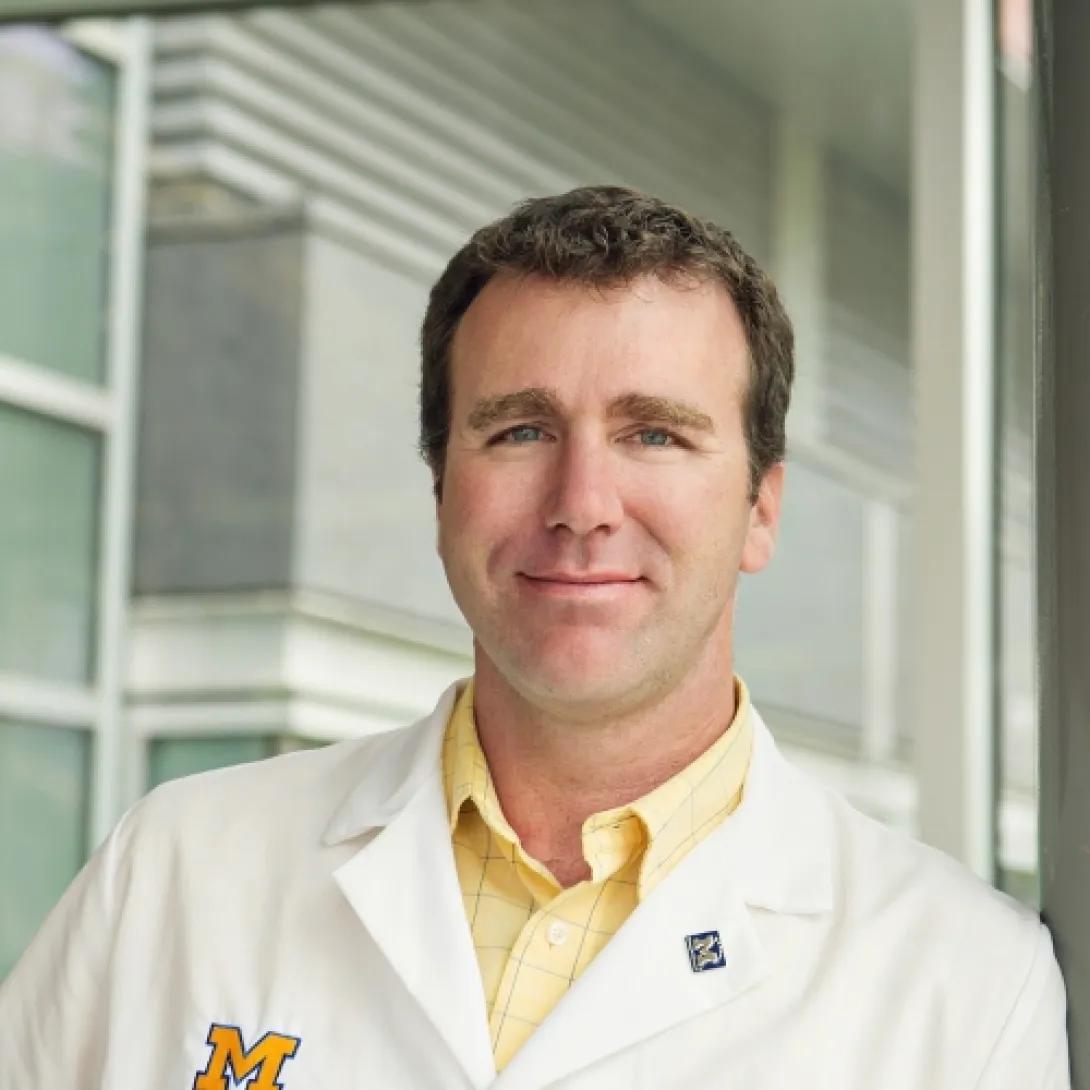
Peter Kennedy Todd, MD
Professor
Neurology

Michael Mei-Hwa Wang, MD, PhD
Professor
Vascular Neurology, Neurology
News & Stories
Helping an employee-turned-patient overcome a brain tumor

Psychoactive substances and adverse side effects for patients with multiple sclerosis
Early intervention and expertise crucial for treating pediatric craniofacial disorder
Timely treatment helps former baseball pro survive on-field stroke with no complications

Revolutionizing child neurology residency training