Cochlear Implant Program (Adult)
Cochlear Implant Program (Adult)
A cochlear implant can restore useful hearing and provide improved communication abilities for individuals with significant hearing loss. The University of Michigan Health Cochlear Implant Program was established in 1984 and is one of the largest programs in the country.
Our Approach
We have restored hearing to more than 3,500 children and adults. Our experienced team of surgeons, audiologists and speech-language pathologists guide patients and families through the cochlear implant process. We provide several types of FDA- approved cochlear implants, depending on the patient’s need.
The program is also a proud founding member of the American Cochlear Implant Alliance. Our team actively contributes to research related to cochlear implant candidacy, surgery, devices, programming and outcomes, including clinical trials.
Who We Treat
Candidates for cochlear implants include those with:
- Significant hearing loss in one or both ears
- Lack of acceptable benefit from hearing aids
- Evidence of a functioning auditory nerve
- Family support
- Motivation and willingness to learn to use the implant
- Motivation to participate in aural training to support rehabilitation with implant
- No other medical issues that would prevent surgery
Services
We provide comprehensive testing performed by audiologists and speech-language pathologists to evaluate candidacy for cochlear implantation. Some of the tests include:
- Comprehensive hearing test and speech recognition tests administered while wearing appropriate hearing aids
- CT scan and/or MRI to evaluate the physical structures of the inner ear where the electrodes will be placed
Surgery
Cochlear implant surgery is performed by a Neurotologist or Otolaryngologist with specialty training in disorders of the ear. Surgery is often completed on an outpatient basis, with only a small incision hidden behind the ear. Extensive shaving of the hair is not required. A waiting period is required after surgery and prior to device activation to allow adequate healing of the incision site.
The sound processor is programmed to the individual needs of the recipient by an audiologist. Patients typically return for the fine tuning of the device approximately 6-8 times during the first year and 1-2 times per year thereafter. Cochlear implant manufacturers are currently working on various virtual and remote programming options.
Appointment Information
A physician referral is required for cochlear implant evaluations. Your physician may submit a referral electronically, by fax to 734-998-8122, or by email to [email protected].
Schedule an appointment by calling us at 734-998-8119 or email [email protected].
Patient Resources
Pediatric Cochlear Implant Program
The Cochlear Implant program at C.S. Mott Children’s Hospital is one of the largest, most experienced cochlear implant programs in the nation.
Locations
-
Hearing Rehabilitation Center 475 Market Place
Briarwood Building 1
Ann Arbor, MI 48108-1649Get Directions
Doctors
Meredith Evelyn Adams, MD
Associate Professor
Otolaryngology, Otology-Neurotology

Renee Michelle Banakis Hartl, MD
Clinical Assistant Professor
Otology-Neurotology, Otolaryngology

Hussam Khalil El-Kashlan, MD
Professor
Otology-Neurotology, Otolaryngology

Emily Zambricki Stucken, MD
Clinical Associate Professor
Otology-Neurotology, Otolaryngology, Plastic Surgery-Head & Neck

Christopher Michael Welch, MD
Clinical Assistant Professor
Otology-Neurotology, Otolaryngology
Providers
Natalie Anne Hayes, AuD
Audiologist
Audiology

Rachel Fryatt Kooser, AuD
Audiologist
Audiology

Madalyn Jo Norton, AuD
Audiologist
Audiology
Amy Nicole Paoletti, AuD
Audiologist
Audiology

Casey Jean Stach, AuD
Audiologist
Audiology
Kristy Marie Winters, AuD
Audiologist
Audiology
News & Stories
Rural-urban disparities in head and neck cancer

Gratitude inspires gift to improve survivorship care
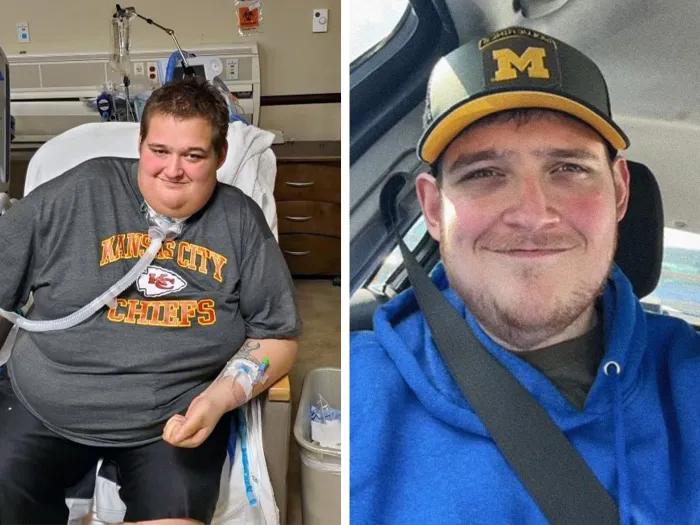
Weight loss and surgery restore patient’s throat after near-death brush with likely COVID
Research may help better predict outcomes in kids with congenital cytomegalovirus

Pollen exposure linked to worse quality of life for chronic sinus infection sufferers