Polyps, Tumors & Malabsorptive Diseases in the Small Bowel
Polyps, Tumors & Malabsorptive Diseases in the Small Bowel
What are small bowel polyps, tumors & malabsorptive diseases?
While it is rare to find tumors or polyps in the small bowel, new technology has increased our ability to find these previously undetectable abnormalities. By incorporating new technologies into procedures, we can see the entire 20-foot length of bowel, and diagnose diseases with more accuracy.
Polyps (abnormal growths of tissue protruding from the lining of the gastrointestinal tract) can occur in the small bowel and are usually benign, although some can develop into malignant tumors. Patients with rare hereditary conditions, such as Familial Polyposis Syndromes, may have multiple small bowel polyps. Polyps or tumors of any type can be a source of small bowel bleeding.
Malabsorptive diseases (such as celiac disease), in which the small bowel does not absorb certain nutrients or substances, can cause symptoms such as diarrhea or weight loss. Complications of these disorders may be detected by small bowel diagnostic testing.
Our Approach
Our gastroenterology team at U-M Health has the resources of the entire medical center, and we work in collaboration with other divisions to provide the most complete care. Our surgeons specialize in small bowel diseases and our pathologists, who review unusual findings on biopsies, have extensive small bowel experience.
Appointment Information
To schedule an appointment to discuss small bowel bleeding or other digestive or liver health concerns, call us at 888-229-7408.
What are the symptoms of small bowel polyps, tumors & malabsorptive diseases?
Patients with small bowel polyps or tumors can have no symptoms, although patients with malabsorptive diseases often have symptoms of weight loss or diarrhea. When symptoms do occur they can include:
- Bleeding
- Anemia (not enough healthy red blood cells to get oxygen through the body, making you feel weak and cold)
- Diarrhea
- Abdominal pain
- Unintentional weight loss
At U-M Health, our multidisciplinary team provides the newest minimally invasive treatments for diagnosing and treating polyps, tumors, and malabsorptive diseases in the small bowel. Although these treatments are not widely available, our small bowel gastroenterologists are expert with these techniques, are highly experienced, and have performed thousands of advanced procedures.
How are small bowel polyps, tumors & malabsorptive diseases diagnosed?
To diagnose, we start with a comprehensive examination and obtain a thorough history.
Often, a capsule endoscopy is a required diagnostic exam. Capsule endoscopy is a study that allows us to see all the way through the small bowel and find things we wouldn’t be able to see any other way. The procedure involves swallowing a small capsule, which is the size of a large vitamin pill. Inside the capsule is a tiny wireless camera that takes more than 50,000 digital pictures as it passes through the small intestine. Images are transmitted to a recording device worn on a belt around your waist. This recording device saves the pictures for a specialist to look at and interpret at a later time. Our experienced doctors have performed more than 3,500 capsule endoscopies.
How are small bowel polyps, tumors & malabsorptive diseases treated?
- Tumor and polyp treatment: If we find a mass or a polyp during the capsule endoscopy, we revisit that area to biopsy the lesion.
- Double balloon enteroscopy is a specialty endoscopy, or scope test, which allows doctors to go deep into the small bowel. The technology includes the use of balloon attachments on a scope, which help move the scope through the small bowel to the affected area. Through the scope we can biopsy a tumor, remove a small lesion, or mark an area with dye for future surgical localization, helping a surgeon to know exactly where to go. If there is bleeding from a lesion during the double balloon enteroscopy, we can use either a laser or other devices to stop the bleeding. In the state of Michigan, this minimally invasive procedure is performed only through the Small Bowel Program, where our doctors have performed over 1,000 double balloon enteroscopies
- Malabsorptive disease treatment: Most malabsorptive diseases diseases are treated with dietary changes and/or medications.
News & Stories
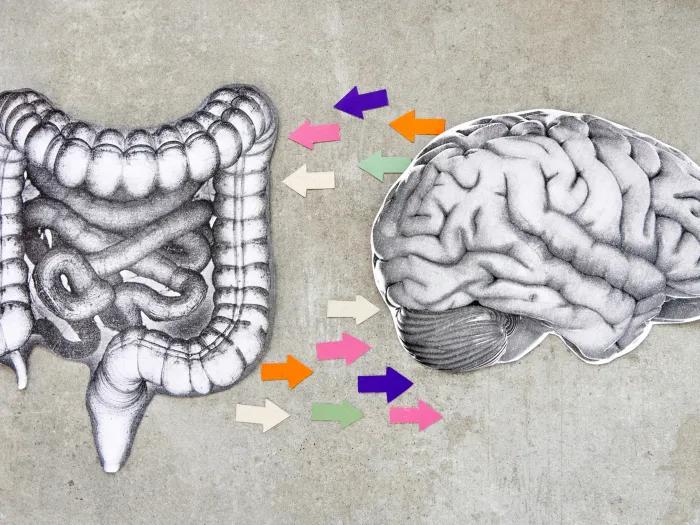
Identifying avoidant, restrictive food intake disorder in gastroenterology patients
As probiotic use surges, microbiome-supportive food consumption stagnates

How gastroenterology nutrition therapy has evolved
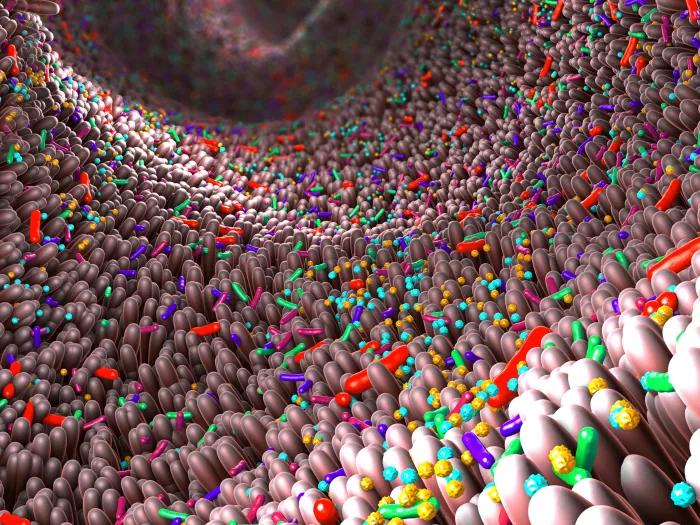
IBS treatment response predicted by gut microbiome in new study
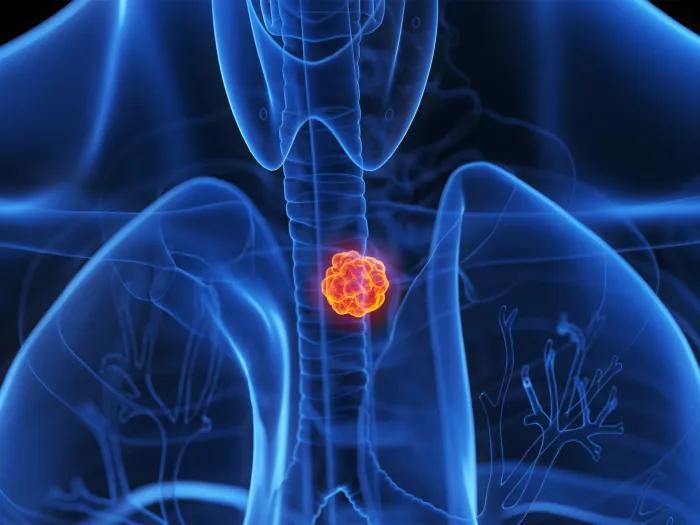
Understanding esophageal cancer