Gastroesophageal Reflux Disease (GERD)
Gastroesophageal Reflux Disease (GERD)
What is GERD?
Gastroesophageal Reflux Disease (GERD) is a digestive problem where there is too much backflow of the stomach’s contents into the esophagus. It’s very common, with about 20% of the adult population experiencing GERD symptoms at least weekly. While the majority of people with GERD do not have any visible damage to the esophagus (no ulcers or precancerous lesions), quality of life can be severely affected. Rarely, patients can develop cancer of the esophagus or strictures resulting in dysphagia (difficulty swallowing food or liquids).
Our Approach
We have a dedicated, multidisciplinary team that includes experts in gastroenterology, minimally invasive surgery, thoracic surgery, radiology, allergy and pathology. With this broad experience, we are treating patients who have not responded to standard medical therapies. Patients have access to diagnostic testing for GERD and our robust clinical research, including multiple studies on the causes and treatments for GERD symptoms that are resistant to standard treatments.
Appointment Information
To schedule an appointment, call us at 888-229-7408.
Esophageal Disorders Program
The Esophageal Disorders Program includes more than a dozen gastroenterologists with experience treating patients with both routine and complicated disorders.
What are the symptoms of GERD?
You may be at risk for developing GERD if you are overweight or if your job or lifestyle requires stooping, bending or heavy lifting. Typical symptoms of GERD include:
- Heartburn (burning behind the breastbone traveling toward the neck)
- Regurgitation (effortless movement of stomach contents into the chest)
Unusual symptoms if presenting without the typical symptoms above:
- Excess saliva
- Sensation of a lump in the back of the throat
- Coughing
- Hoarseness
- Sore throat
Contact your doctor if you have any of the following symptoms:
- Unexplained weight loss
- Trouble swallowing
- Choking
- Blood in the stools
- Vomiting
- Pain with swallowing
How is GERD diagnosed?
To diagnose GERD, your doctor will ask questions to thoroughly understand your symptoms. If necessary, testing may be required to diagnose your condition and plan for appropriate treatments. Testing may include:
Upper Endoscopy - also known as an esophagogastroduodenoscopy or EGD - uses an endoscope (a lighted, flexible tube, about the thickness of a finger) to examine the upper gastrointestinal tract while you are sedated. The EGD examines the esophagus, stomach, and duodenum, which is the first part of the small intestine. A special instrument may be passed through the tube to take a small piece of tissue (a biopsy) for examination in the laboratory.
Uses a thin probe that goes through the nose into the esophagus, and is connected to an external data recorder. The recorder measures the amount of reflux (both acidic and non-acidic) traveling into the esophagus. The patient goes home with it for a day, keeps a diary of symptoms, and returns the next day to have it removed.
Uses a pH sensor that is temporarily attached to the wall of the esophagus at the time of an upper endoscopy. Using radio waves, the data is transmitted wirelessly to the external data recorder. This provides data on acid reflux, but not non-acidic reflux.
Uses a thin catheter placed through the nose into the esophagus, to measure pressures and coordination of the esophagus while the patient takes sips of water. This helps us rule out rare causes of regurgitation, is needed to accurately place the pH/impedance sensor, and is important to determine whether surgery would be appropriate. We utilize high-resolution esophageal manometry, which gives much greater detail in the swallowing mechanism than the previous technology, which is still often in use at other medical centers.
How is GERD treated?
After diagnosing your condition, your doctor will recommend the appropriate treatment. Treatment for your individual condition may include one or a combination of the following:
Lifestyle changes may be helpful in relieving some GERD symptoms. Your doctor may ask you to avoid certain foods that can make your symptoms worse, such as chocolate, alcohol, coffee, citrus, and tomato-based products. Other recommendations may include losing weight, raising the head of your bed and quitting smoking.
Over the counter and prescribed medications can help relieve symptoms and/or decrease the acid produced from the stomach.
Surgery may be recommended for patients with typical GERD symptoms, but who have had a partial response to medication, have had other conditions excluded, and who have GERD documented using ambulatory pH/impedance monitoring.
Laproscopic antireflux is a minimally invasive surgery that was pioneered at U-M combining the features of a Collis gastroplasty and Nissen fundoplication procedures. This procedure reduces the risk of recurrent gastroesophageal reflux that may be encountered after the more traditional treatments and when symptoms are poorly controlled by medical therapy or have associated complications such as esophageal stricture or relative shortening of the esophagus. Average hospital stay is two days, and patients are able to return a normal lifestyle within one week.
News & Stories
Identifying avoidant, restrictive food intake disorder in gastroenterology patients
As probiotic use surges, microbiome-supportive food consumption stagnates

How gastroenterology nutrition therapy has evolved
IBS treatment response predicted by gut microbiome in new study
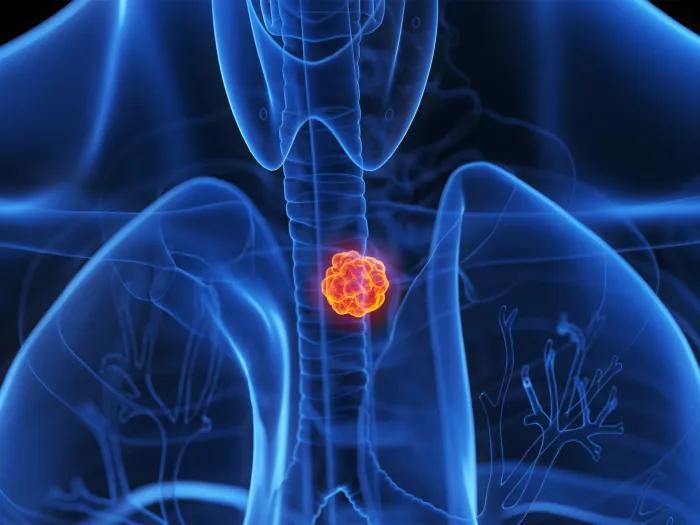
Understanding esophageal cancer